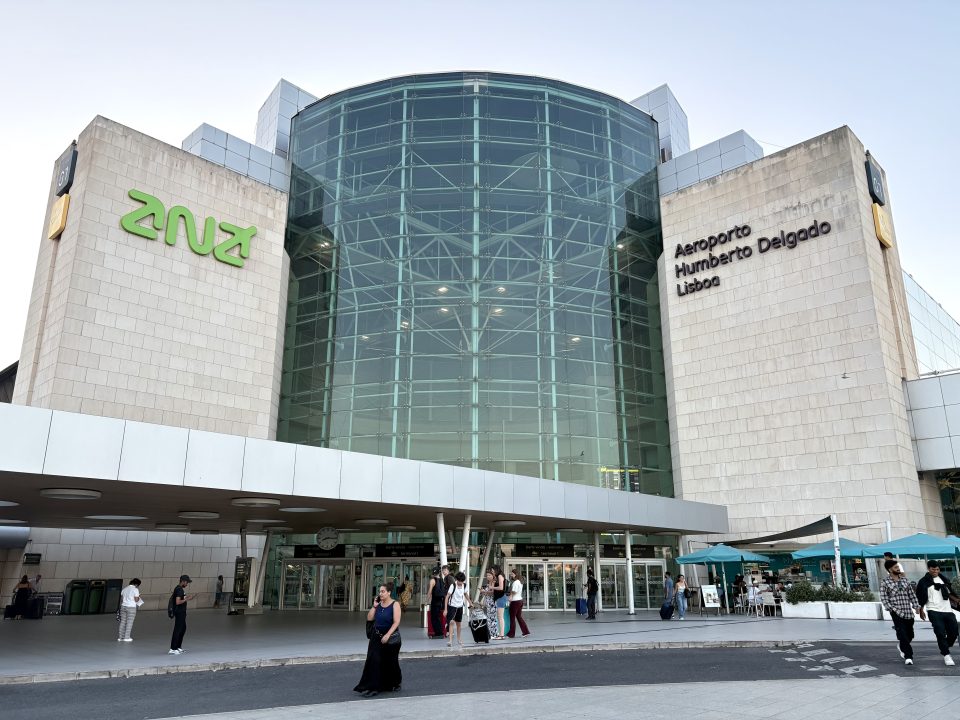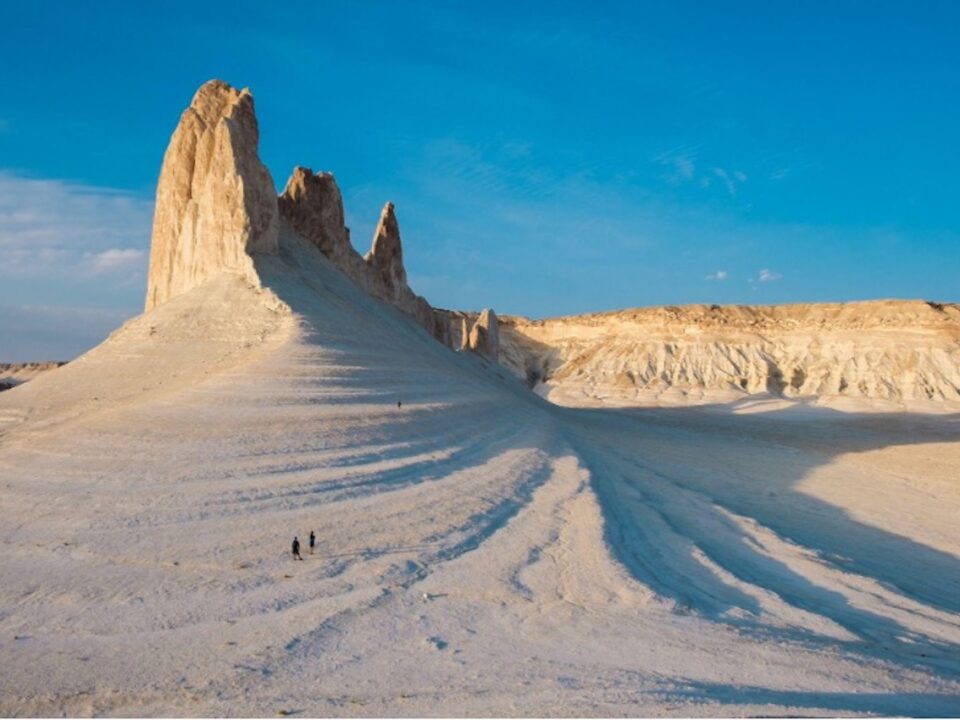


With the European Union’s new border security Entry / Exit System, or EES, causing delays and disruption at some of the bloc’s travel hubs this summer, third-country holidaymakers affected by the new rules, such as Brits, may be seeking to avoid the chaos by choosing a destination where EES is not a barrier. If European travel is the priority, then that search could focus on countries that are in the union, or candidates to be, but remain outside the Schengen zone, where EES rules are not in force. This round-up includes other short-haul destinations just beyond the region too.
Albania
Lonely Planet says that Albania’s scenery, castles, culture, and beaches “rival any in the Mediterranean and continue to enchant.” Whether travellers are looking for hiking, turquoise waters, or city nightlife, this is a booming destination that is a candidate to join the EU but still operates its own border system.
Bosnia and Herzegovina
What Bosnia and Herzegovina lacks in beaches, it makes up for in natural beauty and outdoor pursuits, boasting forested cascades like Kravica Waterfalls, and promising white water rafting in the Una National Park. Bosnia and Herzegovina is not part of the European Union or the Schengen Area, but anyone considering a pan-Balkan trip should be aware that EES is active at the territory’s neighbouring EU borders—such as Croatia’s—requiring third-country travellers (including citizens of Bosnia) to register in the EES when crossing.
Cyprus
Cyprus is in the EU and cooperates with parts of the Schengen Zone rules, but is not fully integrated, meaning arrivals escape the drudgery of completing EES steps. With consumer demand hit earlier this year by travel alerts prompted by geopolitical tensions in the Middle East, it’s possible some bargain Mediterranean island breaks could be on offer.
Ireland
Ireland, too, is an EU country but opted out of Schengen zone rules in order to remain part of the UK-Ireland Common Travel Area, meaning EES is not in operation at its borders. Long-known for its warm welcome, stunning scenery, and coastal scapes, Ireland also offers English speakers the comfort of a shared language while away from home.
Kosovo
Europe’s baby, Kosovo, is an EU candidate, and EES is not yet in place. Despite being such a new nation, its history, Ottoman architecture, location at the crossroads of cultures, and legendary hospitality make it a top tip for an accessible yet off-the-beaten-path destination.
Moldova
Moldova is not in the EU or Schengen, but EES is operational when crossing into Moldova from Romania (the other borders are with Ukraine). One of Europe’s least visited countries, crowding and anti-visitor sentiment are unlikely to feel like issues here, and wine tourism is on the rise.
Montenegro
As an EU candidate, Montenegro does not currently operate the EES. Despite its diminutive size, this nation is increasingly reputed for its year-round offer, with hiking in scenic locations like Durmitor National Park best for spring and autumn, glamorous Adriatic beaches for summer, and skiing for winter.
North Macedonia
Sticking with the Balkans, North Macedonia is another nation not in the EU or the Schengen Area, meaning EES does not operate at its domestic borders. Condé Nast Traveller gushes about its “deep valleys,” “soaring peaks,” “rushing rivers” and “placid lakes”, noting that the country’s physical beauty is only surpassed by the “warmth of its people.” High praise, and as a nation less accustomed to tourism than some of its neighbours, it oozes the authenticity today’s travellers crave.
Serbia
Serbian capital Belgrade boasts not one but two rivers and an enviable nightlife vibe. Hailed by travel expert Simon Calder for its affordability, vibrant street life, and character, Serbia also proposes mountain peaks and national parks to get away from it all. And all that can be done while avoiding the rigours of EES because Serbia remains an EU candidate country for now.
Türkiye
Türkiye is an affordable destination straddling Europe and Asia, with over 1,600 km of Mediterranean coastline and no EES queue. Turquoise seas, island-hopping cruises, traditional markets, and a massive foodie culture are just some of the temptations on offer.
United Kingdom
The UK chose to leave the EU in 2016’s Brexit referendum, meaning it became a “third country”. It has always operated its own border system, and still does, with the recent introduction of the ETA (Electronic Travel Authorisation) for non-visa nationals. From the cultural hubs like Edinburgh in Scotland, the poetic Lake District, and Yorkshire Dales and Moors in the north, to the fashionable buzz of the capital, and the southern “Sunshine Coast” –there’s something for everyone, and it’s EES-free.
Beyond Europe
Beyond the European region, and so without EES of course, short-to-mid-haul destinations such as Azerbaijan combine breathtaking landscapes, gastronomy, history, and modernity, while, after a difficult year reputationally, African archipelago Cabo Verde has enjoyed a new spotlight thanks to its participation in the 2026 World Cup.