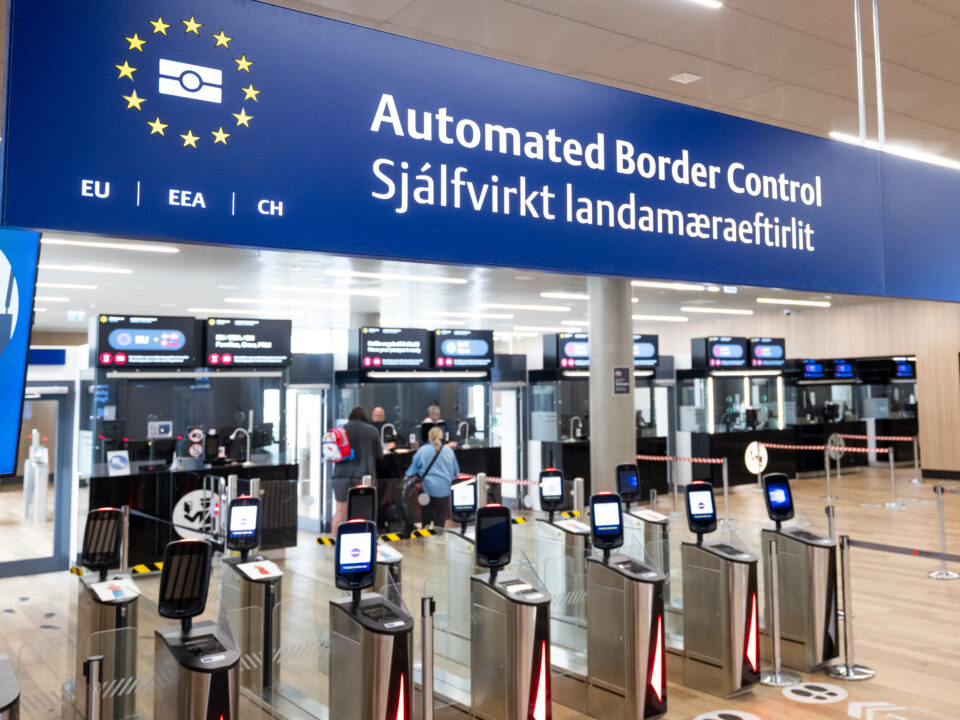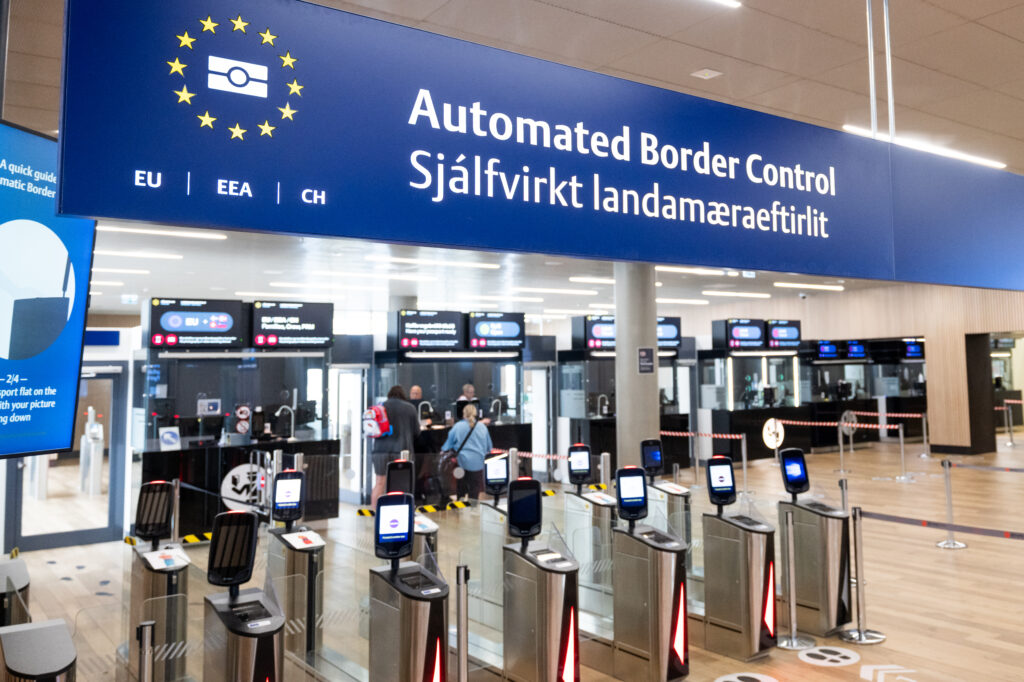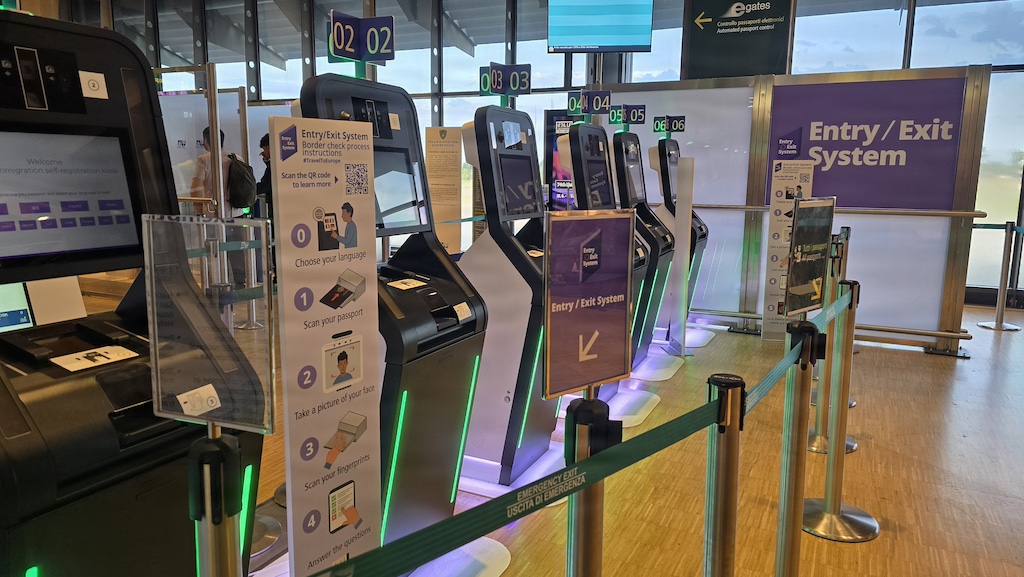



The European Commission has acknowledged that there is “still a lot to do” to resolve the problems surrounding the European Union’s new Entry/Exit System (EES), as long queues continue to affect travellers at airports across Europe during the peak summer season.
Speaking during a press conference in Ireland on Friday, European Commission President Ursula von der Leyen admitted that the rollout of the new digital border system has not gone as planned.
“We are working with Member States to resolve these technical issues,” she said, recognising that “there is still a lot to do” to address the operational difficulties.
The comments come after weeks of mounting criticism from airports, airlines, tourism organisations and travellers, many of whom have reported waiting several hours to clear border controls at major European gateways.
Industry warns of five-hour queues
The EES officially became fully operational on 10 April 2026 after a phased rollout that began in October 2025. The system replaces passport stamps for most non-EU travellers entering the Schengen Area with a digital registration process that records facial images, fingerprints and travel details.
The European Commission says the system is designed to strengthen border security, combat irregular migration and identify travellers who overstay their permitted time in the Schengen Area.
However, its implementation has proved challenging, particularly at airports where first-time registrations require additional biometric checks.
@amber.penny Sheesh guys this was rough after 27 hours of travelling 🥲 #romeairport #ees #europe #rome #airport ♬ original sound – Mari🍏
Earlier this week, Airports Council International (ACI) Europe, Airlines for Europe (A4E) and the International Air Transport Association (IATA) warned that the situation had reached a “critical point”. In an open letter to the European Commission, the organisations said passengers are experiencing border queues of up to five hours during peak periods.
“Passengers have already been forced to wait for long hours outside terminals and in parking areas because border control services are unable to process arrivals quickly enough,” the organisations wrote.
Many travellers have also shared videos on social media showing overcrowded arrival halls and lengthy queues at border control across Europe.
Commission defends the system
Despite acknowledging the operational problems, the European Commission continues to defend the Entry/Exit System as a key element of the EU’s external border management.
According to the Commission, the system is essential for knowing who enters and leaves the European Union while improving security and helping authorities detect fraud, identity abuse and irregular migration.
Since the rollout, more than 40,000 people have reportedly been refused entry because of invalid documentation or failure to meet entry requirements, while more than 1,000 individuals have been identified as posing potential security risks.
Securing EU borders since 12 October: our new Entry/Exit System. Member States have caught human traffickers, stopped potential terrorists, and uncovered fraud in unprecedented ways. All thanks to our new system that collects and matches biometric data at border crossing points. pic.twitter.com/21IS4Z8H5k
— Magnus Brunner (@magnusbrunner) July 6, 2026
The Commission also maintains that member states and airports had sufficient time to prepare for implementation and insists that responsibility for providing adequate staffing and infrastructure lies primarily with national authorities.
A Commission spokesperson has previously said that the impact remains limited at most European airports and that Brussels continues to support both member states and the aviation sector in addressing implementation challenges.
Calls for greater flexibility
As reported by Travel Tomorrow, aviation organisations are urging Brussels to allow member states greater flexibility to temporarily suspend EES procedures whenever border control capacity is exceeded.
The proposal would enable authorities to pause biometric registration during exceptionally busy periods in July and August while maintaining standard passport checks.
The World Travel & Tourism Council (WTTC) has also called for a more coordinated approach, including wider use of the Travel to Europe mobile application for pre-registration and better communication with travellers before departure.
Meanwhile, some destinations have already introduced temporary measures. Greece has suspended biometric collection at certain entry points during periods of heavy traffic, while Rome’s airport operator has indicated it will also seek to pause parts of the system to avoid disruption during the busiest weeks of summer.
🚨 @WTTC endorses the request from @ACI_EUROPE, @A4Europe and @IATA for a coordinated implementation of the Schengen Entry/Exit System (EES).
— WTTC (@WTTC) July 2, 2026
Secure borders and seamless travel must go hand in hand to protect Europe's competitiveness and the traveller experience.
📄 Read our…
Delays could continue for years
Although the Commission is working with member states to improve operations, officials have warned that travellers should not expect an immediate solution.
In late June 2026, Frontex deputy executive director Uku Särekanno said disruption linked to the Entry/Exit System could take between one and two years to stabilise, explaining that the registration of fingerprints and facial images during travellers’ first visit to the Schengen Area remains the most complex part of the process.
For now, airlines continue to advise passengers travelling to the Schengen Area from outside the European Union to allow considerably more time than usual for border formalities, particularly at major international hubs where first-time EES registrations are creating the greatest delays.