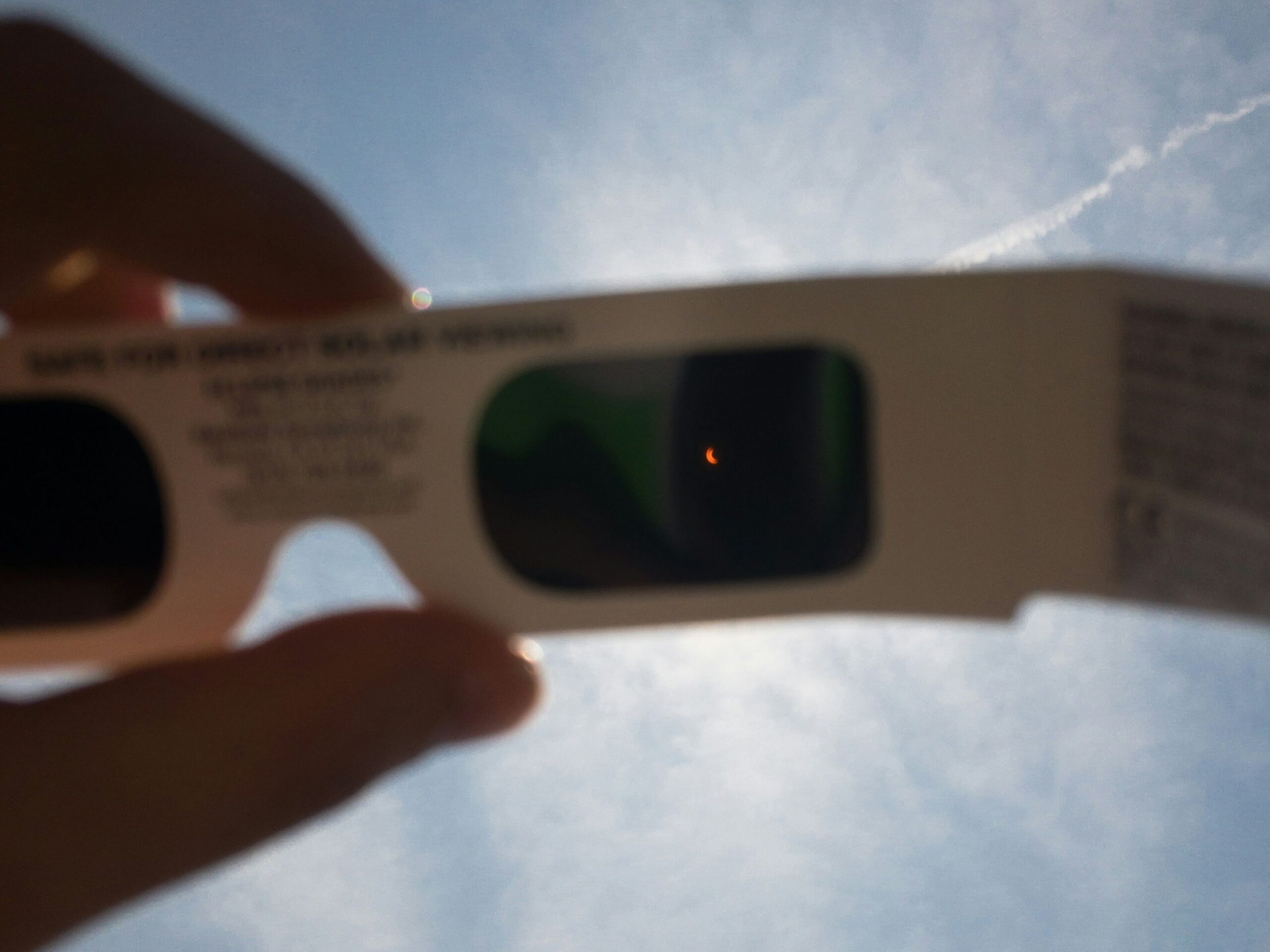



Eclipse fever is reaching a frenzy as enthusiasts get ready for totality across parts of Iceland and Spain on 12 August 2026, but experts are warning that recording and photographing the event could result in irreparable damage to mobile devices.
The phenomenon will be visible across parts of the Arctic, Greenland, Iceland, Portugal, and Spain. Eclipse chasers have driven up bookings and arrivals in western Iceland, northern and eastern Spain in particular, while others have reserved places on cruises and even special flights dedicated to giving some people a once-in-a-lifetime opportunity to experience the moon obscuring the sun.
The period of totality will occur mid-afternoon about four hours before sunset in Iceland, beginning in Reykjavik at around 4:47 pm. In Spain, the celestial show begins at around 7:30 pm CEST, reaching a climax between 8:27 pm and 8:35 pm, and ending around 9:30 pm as the sun slips below the horizon.
Solar eclipses can be exciting!
— World Health Organization (WHO) (@WHO) August 10, 2026
But if you aren’t careful, they can harm your eyes, even permanently.
Here’s how you can safely watch an eclipse 👇
✅ Dos
– Use solar eclipse glasses or a handheld solar viewer that meets the ISO 12312-2 international safety standards—at all… pic.twitter.com/pNQdy0MMQB
The risks of directly staring at the sun are well-known and special spectacles and pin-hole protectors have long been marketed to protect viewers’ eyes. But hundreds of thousands of people are expected to try to capture the eclipse in photographs and videos too, and tech professionals are warning that this could have dangerous consequences.
Smartphones work like magnifying glasses, focusing light via the lens onto the camera sensor. Exposure to the sun for just minutes can cause phone cameras to overheat, and permanently damage the sensor photodiodes. While a quick snap may not cause an issue, aiming the camera at the sun without a filter for longer creates a higher risk of sensor failure and permanent pixel damage.
Remember, it's only safe to view an eclipse directly during totality. We've got several ways to safely view the eclipse, from specially-designed glasses to items in your own kitchen.
— NASA Goddard (@NASAGoddard) August 10, 2026
Catch up on all things eclipse, from safety measures to visibility maps: https://t.co/FrY9v85RNJ…
Solar filters are the answer, and the good news is that solar filters, at the NASA-recommended standard ISO 12312-2:2015, can be obtained cheaply by taping a piece of solar eclipse glasses over the camera lens so that it is completely covered. Bespoke filters can also be purchased for around €40 or less.
The key advice to remember is to record for only short bursts at a time, keep the filter in place throughout the eclipse, and never view the sun through your phone’s viewfinder or lens due to the way the light is concentrated, which can permanently damage your eyesight. Although the filter can be removed during totality, doing so creates risks as people rush to record the final phase of the eclipse.
Using a freestanding tripod is highly recommended to remove the temptation of glancing back and forth at your phone, which could mean missing the reality of the experience as well as potentially damaging your eyes. However, do not leave the phone exposed to the sun for long periods.