


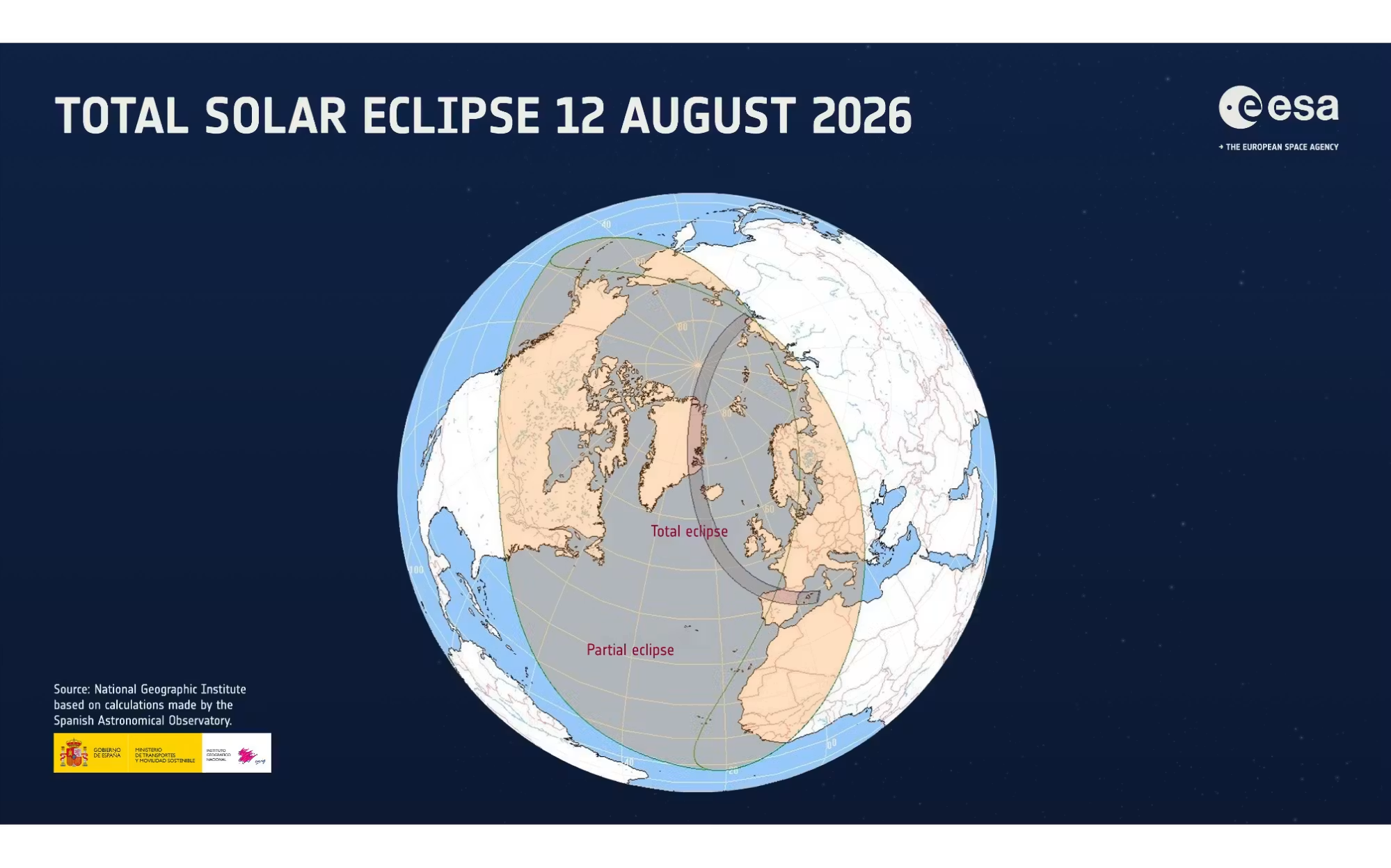
Emerging booking data reveals the upcoming total solar eclipse across the Northern Atlantic, Iceland, and Spain could generate more travel demand than any other event in 2026.
Occurring on 12 August 2026, the eclipse will be Europe’s first glimpse of “totality” for 27 years, meaning for many younger stargazing enthusiasts in the region, it could be their first chance to witness the phenomenon.
Rental bookings intelligence site AirDNA says that the time-specific, location-specific nature of the eclipse could drive an annual travel peak as people “flock to the narrow corridor where the eclipse can be seen in full, creating a sharp but short-lived spike in bookings.”
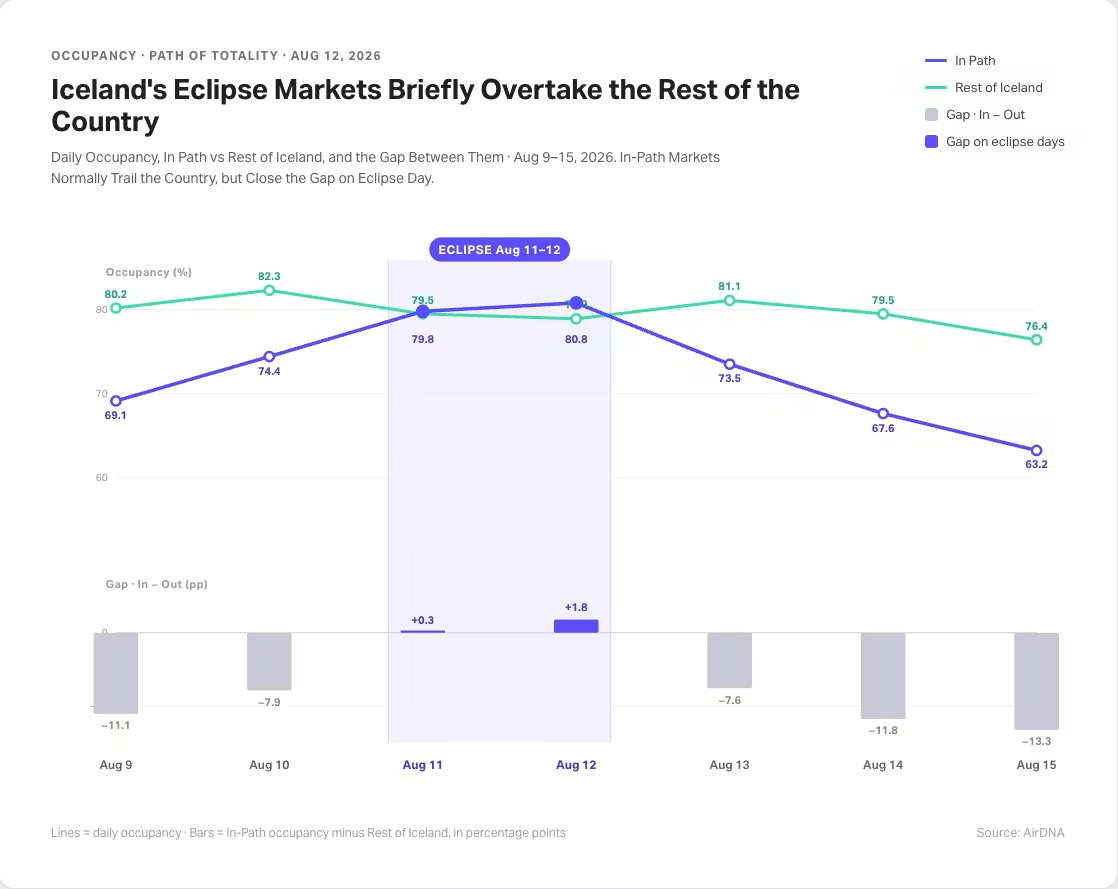
Drawing on data from North America’s total eclipse in 2024, when short-term rentals in the path of totality hit 88% and Average Daily Rates (ADR) were up 18.4%, AirDNA is predicting two scenarios for Europe on 12 August.
Weather conditions allowing, the eclipse should be visible in Iceland’s western and southern regions, where a majority (60.6%) of the country’s 8,300 available rentals are. It’s also worth noting that for Iceland, it’s been 54 years since an eclipse, which could drive domestic demand as well as international. Because the market in Iceland is small, with “limited supply,” AirDNA says, “a concentrated surge in demand has the potential to influence national performance.” In other words, room rental rates (ADR) are likely to rocket.
Meanwhile, in northern and eastern Spain, viewers should be able to watch the event from a variety of rural and city locations, including Bilbao, Valencia, and Palma de Mallorca—but not major tourist destinations such as Barcelona and Madrid. Just 22.6% of Spain’s 382,400 available listings fall within the path of totality, but that figure represents a whopping 86,300 listings, which is, as AirDNA points out, “more than sixteen times the size of Iceland’s entire short-term rental market.”
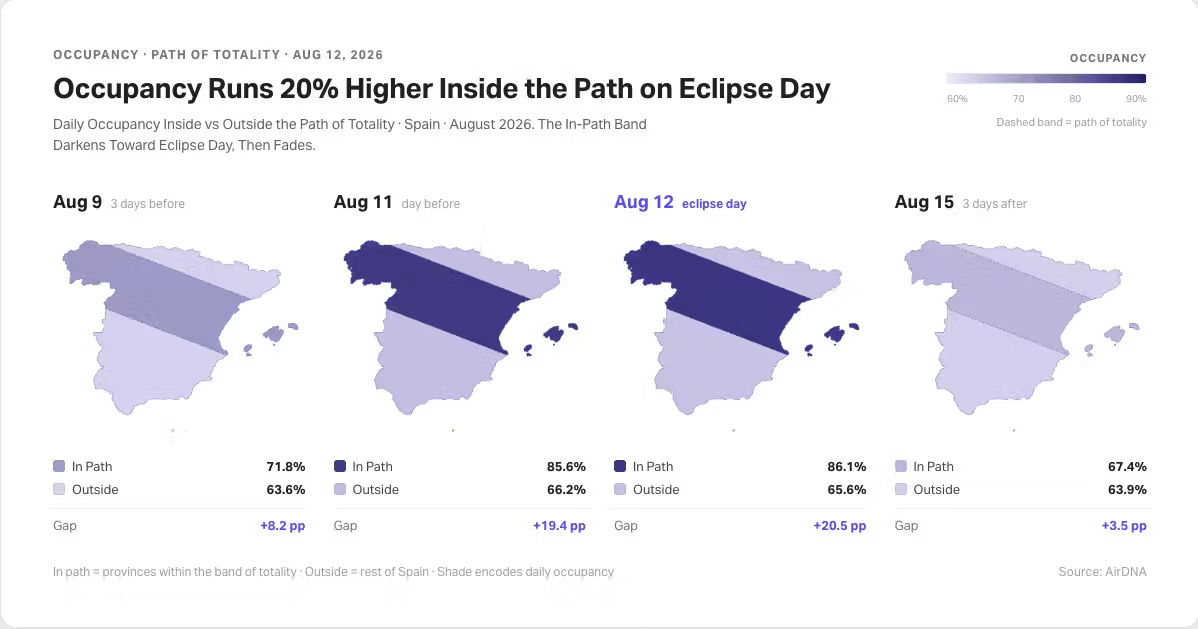
That makes Spain’s pricing response “much less pronounced” because, while the absolute volume is enormous, the spike in demand is likely to be “concentrated across a significant portion of a much larger market.” AirDNA is predicting strong occupancy but not such a surge in pricing.
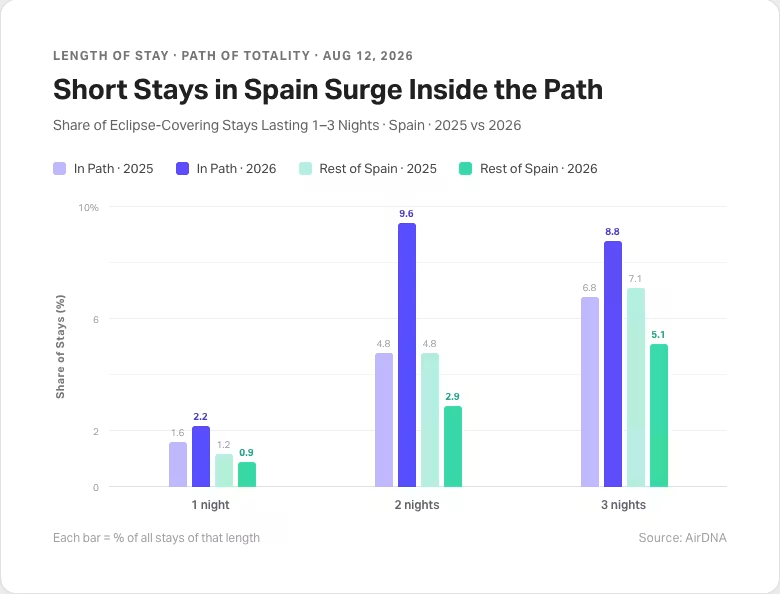
The upshot is that for eclipse enthusiasts hoping to view the totality who have not yet booked their accommodation, Spain is likely to be a better last-minute option—with greater flight connectivity and seat capacity, more likelihood of still finding a room, and better rates to be had.
But with many hospitality operators using dynamic pricing, would-be eclipse viewers should be wary of leaving their reservation too much longer. What’s more, specific events, such as Iceland’s four-day eclipse festival, which is over 90% sold out at the time of writing, are likely to be very difficult to get tickets for with only a week to go before the big day.