


Cape Verde’s fairytale run at the 2026 FIFA World Cup has delivered more than an unforgettable football story. It has also propelled the Atlantic archipelago onto travellers’ radar, with online searches for holidays and flights to the country soaring as millions of viewers discovered one of Africa’s lesser-known island destinations.
According to multiple travel industry reports, searches in the United States for “Cape Verde vacation” increased by more than 5,000% compared with the same period last year during the tournament. Expedia also recorded an increase of more than 800% in searches from US users, while TUI reported that searches for Cape Verde doubled compared with June 2025. Interest from Japan rose by 110%.
The dramatic increase followed Cape Verde’s historic first appearance at a FIFA World Cup. Home to around 560,000 people, the island nation became the smallest country by population ever to reach the knockout stages of the tournament before eventually losing 3-2 to Argentina in the Round of 32 after an impressive campaign that captured international attention.
The Blue Sharks drew with former world champions Spain and Uruguay in the group stage before securing qualification for the knockout rounds. Although their World Cup journey ended against Argentina, their performances turned the country into one of the tournament’s biggest success stories.
Football puts destinations on the map
The phenomenon illustrates the close relationship between major sporting events and tourism. Travel experts note that global tournaments often introduce destinations to audiences who may never have previously considered visiting them. Once viewers become familiar with a country’s landscapes, supporters and culture through television coverage, curiosity frequently extends beyond football to holidays, local traditions and attractions.
Andrew Harrison-Chinn, Chief Marketing Officer at Dragonpass, said the tournament had transformed Cape Verde from a relatively overlooked destination into one that many travellers were actively researching. He noted that the country was well positioned to convert this interest into bookings because it already offers a well-established tourism product centred on year-round sunshine, beaches and all-inclusive resorts.
Psychologist and travel adviser Dr Tracy King also points to what psychologists describe as the “mere exposure effect”, whereby repeated exposure to a destination makes it feel more familiar and therefore more attractive to potential visitors.
A tourism industry ready to benefit
Tourism already plays a central role in Cape Verde’s economy, accounting for around one-quarter of national economic activity.
According to the country’s National Institute of Statistics, hotels welcomed more than 1.24 million guests in 2025, an increase of 6% over the previous year. European visitors continue to dominate arrivals, particularly from Portugal, France, the United Kingdom, Spain and Germany.
The World Cup exposure could help diversify those markets. The United States accounted for just 1.1% of foreign hotel guests last year, suggesting there is considerable room for growth if increased awareness translates into actual bookings.
Local travel agencies have already reported a noticeable increase in enquiries from prospective visitors interested in both the country’s beaches and its culture, although they say it remains too early to identify a significant rise in confirmed reservations.
Industry representatives argue that the challenge now is to convert international visibility into long-term tourism growth through stronger destination marketing, improved air connectivity and a broader range of visitor experiences.
More than beaches
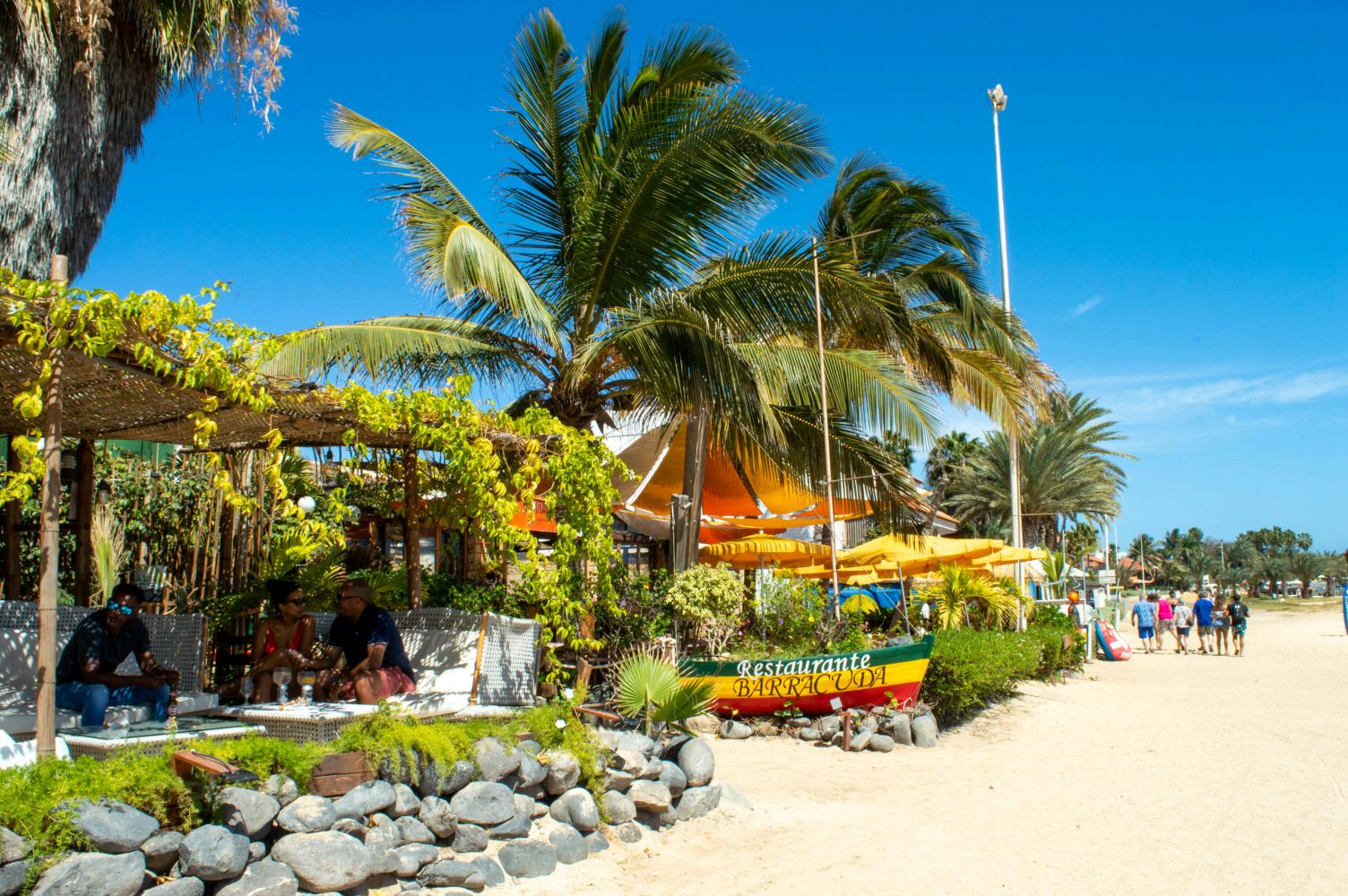
While the islands of Sal and Boa Vista remain Cape Verde’s best-known holiday destinations thanks to their beaches and resort infrastructure, tourism professionals believe the country’s diversity could encourage visitors to explore beyond traditional package holidays.
Santiago, home to the capital Praia and the country’s only UNESCO World Heritage Site, offers a rich cultural experience. São Vicente is renowned for its music scene, carnival traditions and nightlife, while Santo Antão attracts hikers with its dramatic mountain landscapes. On Fogo, visitors can explore the country’s active volcano and vineyards growing at high altitude.
Travel specialists increasingly see Cape Verde as appealing to travellers seeking alternatives to more established island destinations such as the Canary Islands or the Caribbean, combining outdoor adventure, culture and authentic local experiences with year-round warm weather.
Curiosity must become arrivals
Despite the remarkable increase in online interest, industry observers caution that search data does not necessarily translate into visitor numbers.
There is not yet any post-World Cup evidence showing sustained increases in bookings, tourist arrivals or tourism revenue directly linked to the tournament. Whether Cape Verde can turn its football success into lasting economic gains will depend on how effectively it capitalises on its newfound international profile.
Nevertheless, the World Cup has delivered something that conventional marketing campaigns often struggle to achieve: global attention. For a country of just over half a million inhabitants, that visibility could prove to be one of the tournament’s most valuable legacies.