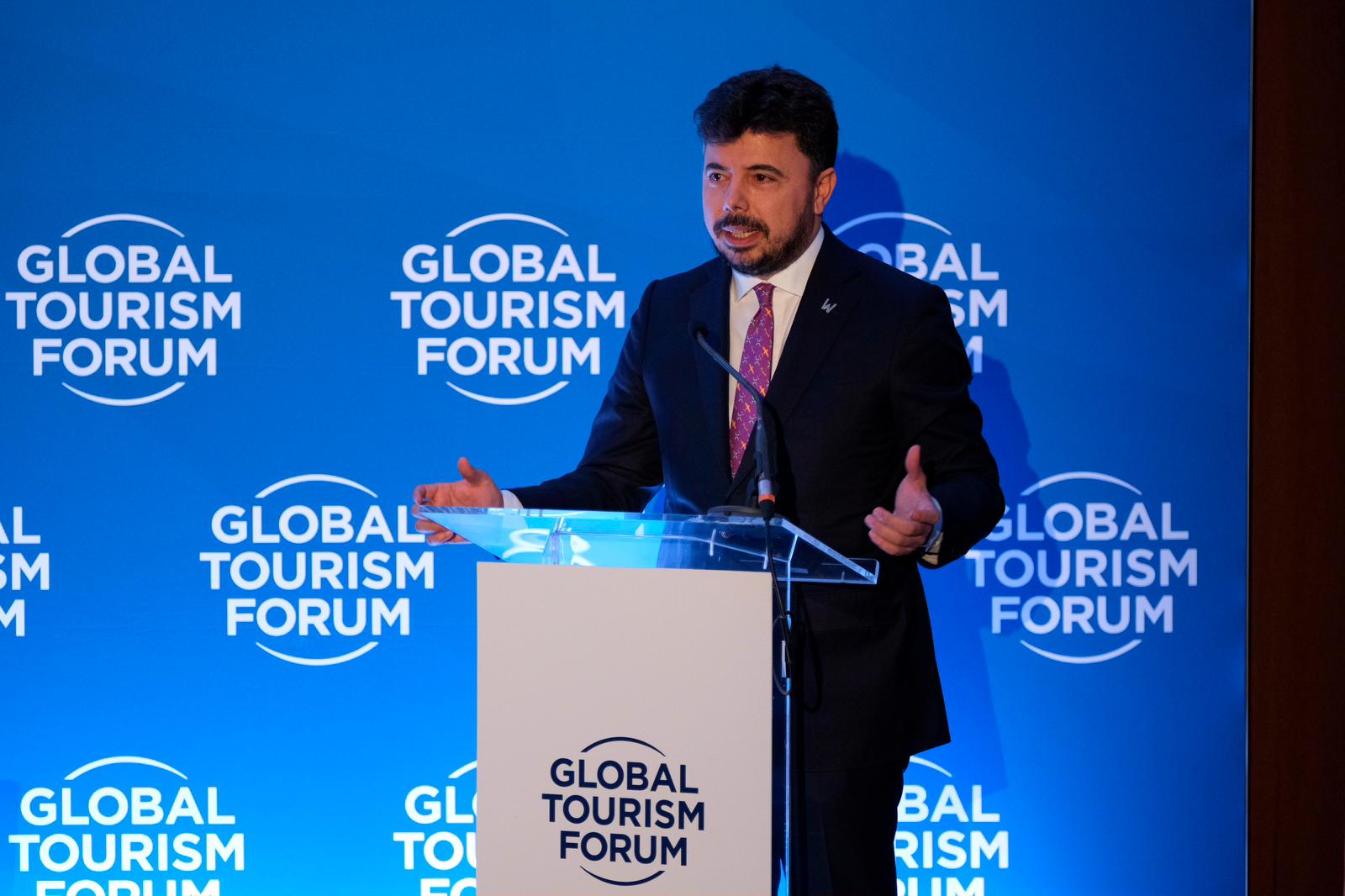


Brussels will host a tourism gathering next week with ambitions extending beyond attracting more visitors. The Global Tourism Forum Annual Meeting, on 9–10 November at the Royal Museums of Fine Arts of Belgium, will examine how destinations secure investment and sustain the consumer confidence needed to make it worthwhile.
Organised by the World Tourism Forum Institute under the theme “Investment and Security,” the event is expected to welcome more than 2,000 delegates from over 50 countries. Governments, financial institutions, investors, and tourism businesses will discuss the conditions that turn destination strategies into development.
Meet us in Brussels! 🇧🇪✨ Where confidence becomes cooperation, and cooperation shapes the future. Join global leaders, investors, and innovators as we come together to discuss the future of tourism, security, and international investment. 🗓️ November 9–10, 2026 📍 Royal Museums of Fine Arts of Belgium, Brussels #GlobalTourismForum #Brussels2026 #InvestmentConfidence #TourismLeaders #AnnualMeeting #EUsummit #TravelIndustry #GlobalCooperation
— Global Tourism Forum | GTF (@gtourismforum) August 19, 2026
For the institute’s president, Bulut Bağcı, the stakes are high and bringing tourism stakeholders together is paramount. “When I look at tourism in 2026, I see an industry whose future is increasingly being decided beyond its own boundaries,” he told Travel Tomorrow. That echoes the International Monetary Fund’s October Outlook identifying conflict, trade tensions, and fiscal policies as risks to growth. Recent comments from the Arab Air Carriers’ Organization (AACO) also illustrate how that “extra-territoriality” can affect regional economies differently, with the association’s secretary general slamming proposed changes to Europe’s emissions trading system (ETS) that will mean Arab airlines could end up paying for their pollution twice.
The first day of the Global Forum will focus on investment: where capital is moving, how projects become financeable, hospitality development, public-private partnerships, and blended finance. Connectivity and climate resilience also feature, while an Investment Deal Room is planned to bring proposals and potential partners together.

Bağcı wants those conversations to confront practical obstacles. “My starting point has always been that tourism is infrastructure,” he says. Lenders need credible demand forecasts and repayment plans; developers require clarity on land rights, licences and approvals, and infrastructure such as electricity, water, transport, not forgetting workforce development.
Linked to that, local benefits are another test for the sector. Bağcı calls for attention to procurement, training, smaller businesses, as well as an eye to local services and housing pressures. “A destination’s economic success becomes more durable when the people who live there can see a benefit from its growth,” he argues.
On the second day, attention turns to security and resilience, spanning cybersecurity, border processes, major events, crisis management, and transport, alongside climate and health risks. The agenda connects investment decisions with destinations’ ability to remain accessible and operational when travel is disrupted. Bağcı identifies priorities including responsible handling of personal information, dependable payment systems, and assistance when plans unravel, backed by well-prepared staff and fallback plans.
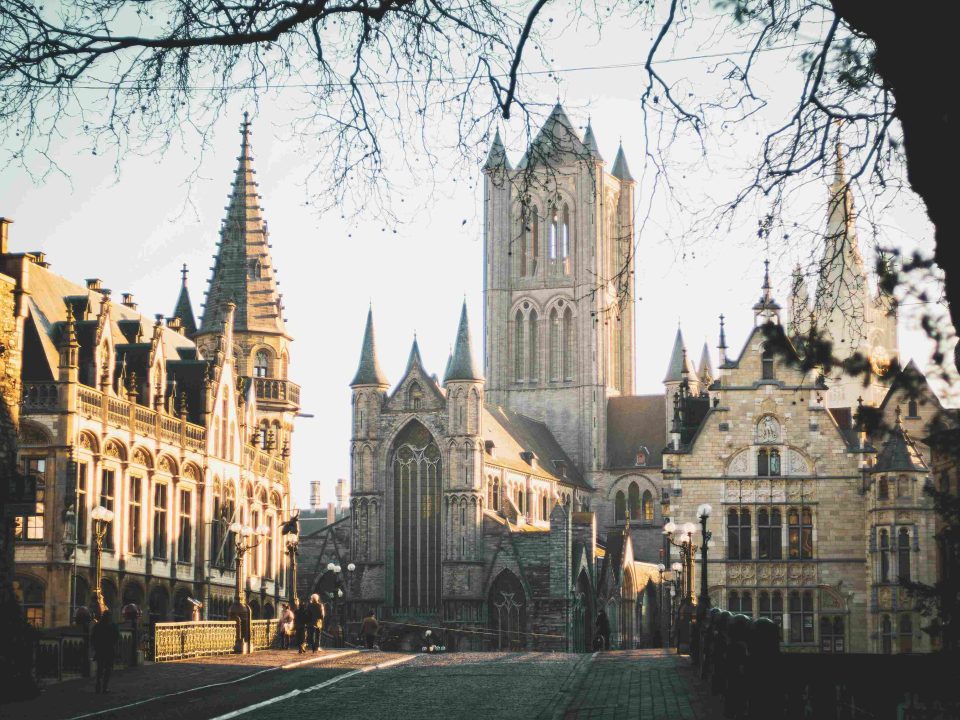
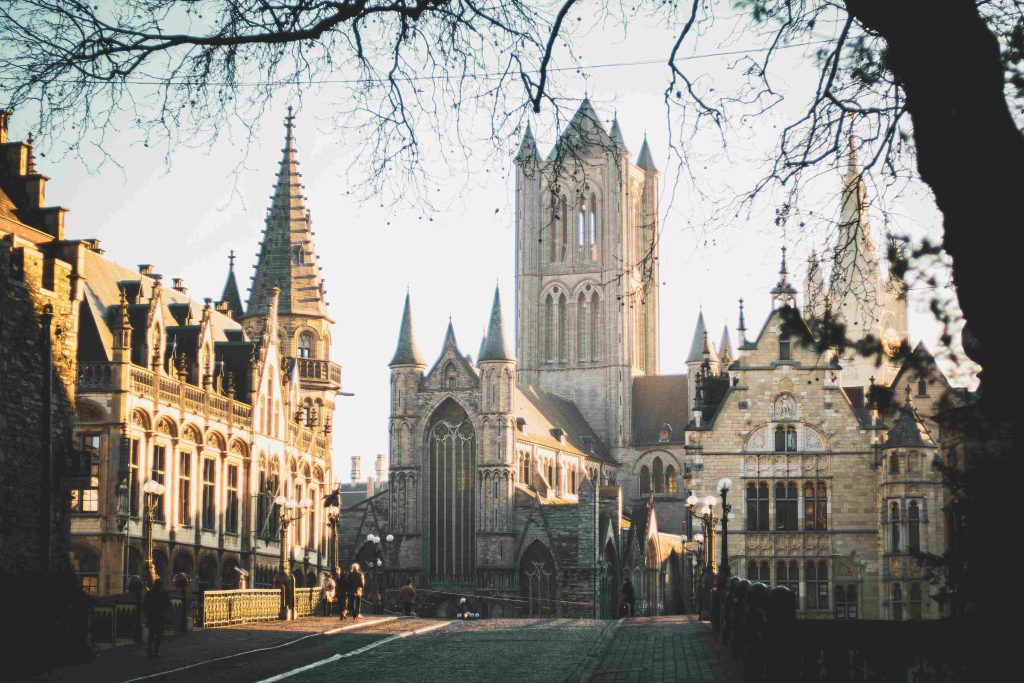
At the heart of the largest travel market in the world and the head of European decision-making and policy-making, Brussels offers an apt setting for this cross-sector discussion. It’s a setting that highlights how coordination between authorities is crucial for destination promotion, transport, finance, and border issues. But Europe’s relationships with Gulf investors, Asian travel markets, and emerging destinations across Africa and Eurasia are also central to tourism’s future and, therefore, the Global Forum’s programme.
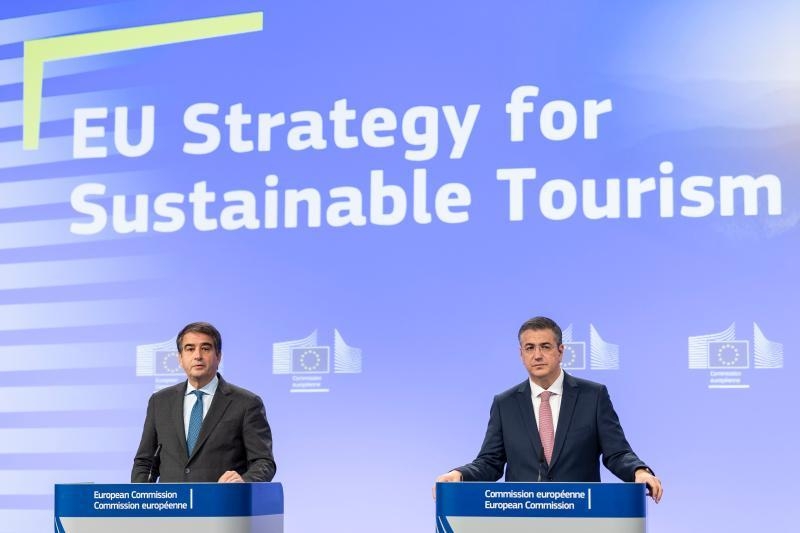
That programme anticipates a Brussels Agenda for Tourism Investment and Security and follows hot on the heels of the first ever EU Sustainable Tourism Strategy, adopted on 4 November 2026. Whether the forum delivers on its ambitions, however, will depend on what comes next: better-prepared projects, clearer institutional responsibilities and partnerships that progress beyond discussion. As Bağcı puts it: “The value of the meeting will become clearer through the decisions that follow it.”