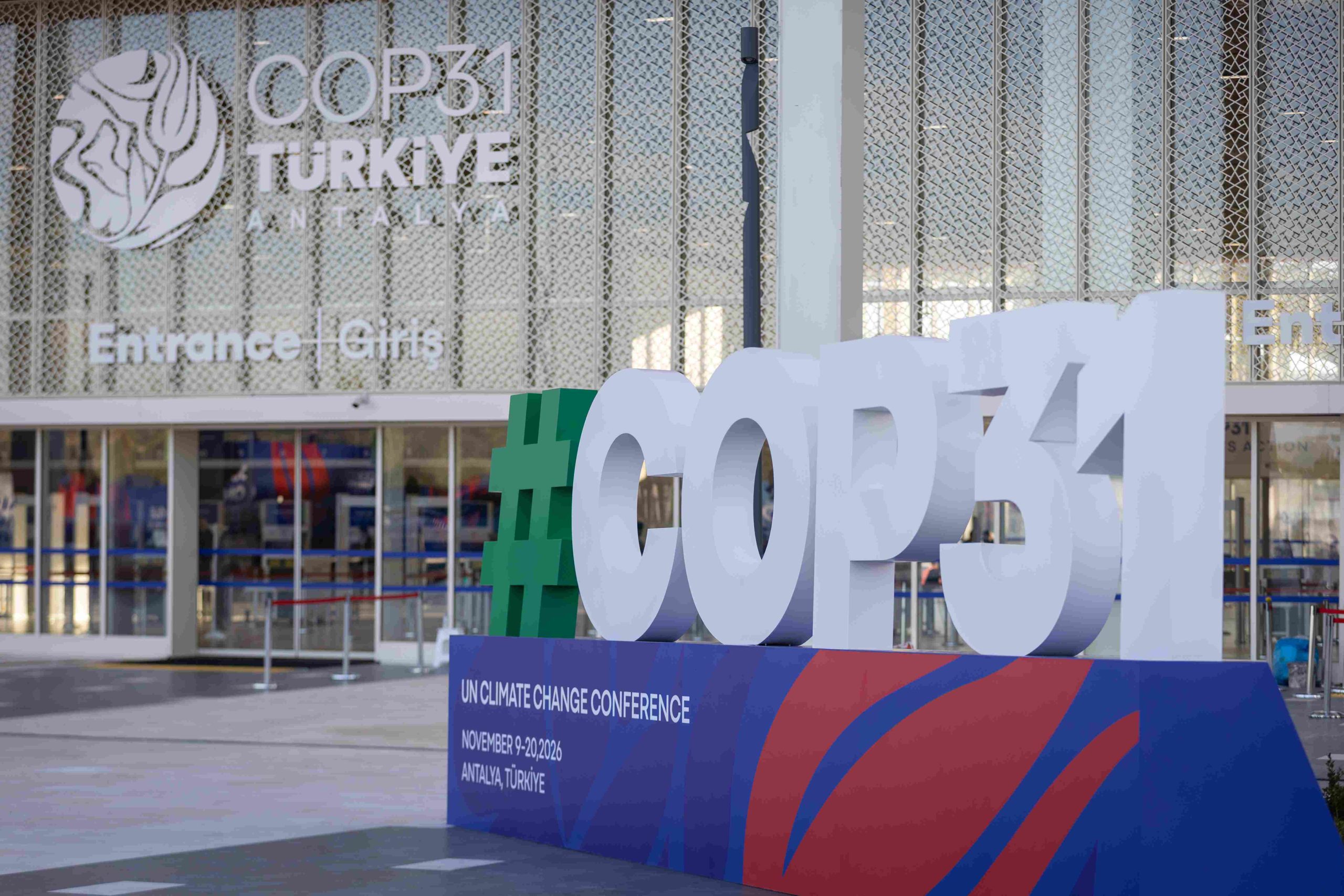



With scientists expecting the planet to clock up 2026 as another year that exceeded the Paris Agreement’s 1.5°C warming threshold, international leaders and other participants from around the world are about to gather again, this time in Türkiye from 9 to 20 November 2026, for COP31, the United Nations’ annual climate conference. What can citizens expect to come out of the event?
The first thing is that attendees are supposed to find ways they can agree on to work together. The UN itself explains that COP 31 is essentially a giant meeting intended to “allow governments to assess progress and negotiate how to tackle a challenge that no nation can solve alone.” It should be noted, too, that political leaders are not the only ones taking part. Researchers, enterprises, First Nations, youth groups, and other sections of civil society will be there too. Whether this makes it easier to reach a consensus or not is a matter up for debate.
One major achievement was 2015’s Paris Agreement, which saw countries pledge to ensure global warming remains below 2°C and to try to limit it to only 1.5°C above pre-industrial levels. (That 1.5°C threshold was breached for the last months of 2023, and for the first time, a full calendar year, in 2024, according to the World Meteorological Organization.)
The consequences of climate change remind us of a single truth: We do not have another planet, yet we have the power to transform it. A small step, the right awareness, and strong solidarity. Only 3 days left to be part of the change! https://t.co/6BI0mFq53L
— COP31 Türkiye (@turkiyecop31) November 5, 2026
However, not every COP results in a landmark international deal like the Paris Agreement, nor is every conference intended to do so. Each year, further negotiations happen, and new domestic goals are publicised, alongside sharing best practices and solutions.
While the Turks host in Antalya this year, Australia is heading the negotiations, alongside other Pacific islands, many of whom are taking the brunt of rising seas and increasingly violent weather systems that, right now, pose active threats to their lives and cultures. It’s no surprise, then, that the urgency of actually doing something that works will be high on the agenda. The UN’s top climate advisor Selwyn Hart has said he’s “running a personal campaign to rename the Action Agenda, the Implementation Agenda.”
Specifically, the Climate Implementation Bridge (BRIDGE), developed under the COP31 Presidency, aims to build up the capacity and investment that are currently lacking as countries try to put planning into practice. Partnerships between governments, international organisations, development banks, climate funds, and the private sector will be the driver.
Ideas come together at COP31 Green Zone! From climate solutions to a more sustainable future, nearly 600 panels will bring together fresh perspectives and inspiring conversations. The program has started rolling out! Explore the sessions, find the topics that interest you, and check out the details on the COP31 website. 9–20 November 2026 | COP31 Venue, Antalya Open to everyone. Free to attend!
— COP31 Türkiye (@turkiyecop31) October 29, 2026
The oceans and the seas will, also unsurprisingly given the lead participants, be a focus, as a stated COP31 priority is promoting “support for coastal communities facing sea-level rise and coastal erosion. Safeguarding livelihoods and strengthening adaptive capacity are central objectives.” (COP31 Action Plan).
We can expect to hear a lot about the ocean’s potential for absorbing around 25% of carbon emissions, and, as the World Research Institute’s Tom Pickerell (Global Director, Ocean Program) notes, the ocean absorbs more than 90% of the excess heat caused by climate change. Blue carbon ecosystems such as seagrass meadows, salt marshes, and mangroves will be entering national climate strategies, climate accounting, and target-setting. The protection and restoration of land carbon sinks, such as forests and rangelands, will be another theme.
Our future depends on the peace we make with nature. For a future in harmony with nature, let’s meet at COP31. https://t.co/Xq7iiK5TKe
— COP31 Türkiye (@turkiyecop31) November 3, 2026
But COP31 will not only be about sequestering carbon or compensating for emissions. It seeks, in addition, to find radical reductions. Waste will therefore be another keyword. Waste is the third largest source of anthropogenic methane, responsible for 30% of global warming since the Industrial Revolution. COP31 will promote ways to prevent emissions at the source through circular economy solutions, and, in doing so, slash in half the projected increase in global annual waste generation by 2035.
Similarly, green industrialisation, especially for developing nations, will be a priority, with attention on helping hitherto “hard-to-abate sectors such as steel, cement, chemicals, aluminium, and fertilisers” reach near-zero emissions while supporting economic competitiveness and innovation.
Climate-resilient cities, food, health, and clean energy are also on the action plan. Food insecurity looms for around 318 million people due to climate shocks, while food systems are responsible for one-third of global emissions yet receive only four per cent of climate finance. What’s more, around two billion people are still dependent on polluting cooking methods. Scaling up green agriculture, technical solutions to clean electrification, and mobilising finance for vulnerable communities are all problems COP31 will work on.
One more item that is worth mentioning regarding COP31 is Artificial Intelligence (AI), which Associate Professor Nathan Cooper, of the University of Waikato’s School of Law, Politics and Philosophy, calls “the green elephant in the room.” He points out that “work is under way on the Antalya Artificial Intelligence Pledge, a voluntary framework to support AI use for climate action. But given growing concerns around AI’s negative and growing climate footprint, the role of AI in relation to the Climate Crisis remains controversial.”
Perhaps most importantly though, as we stand on the brink of a post-1.5 °C world, hope is still in the room with us too. Selwyn Hart highlights that COP31 is taking place as the technologies are emerging that can really make a difference. “The good news, in this horrible situation of overshoot, is that the world has never been better equipped to solve this challenge,” he says.