


Tourism destinations across the world are already feeling the effects of climate change, with rising sea levels, shifting weather patterns and ecosystem disruption reshaping how places operate long before new global climate decisions are implemented. Destinations are experiencing changes in seasonality, environmental stability and infrastructure pressure that directly influence how tourism functions on the ground. These changes are no longer abstract projections, but visible realities affecting both natural environments and the visitor experience. As Oguzhan Bahadir Ari, President of Eurovia, notes, “impacts that were once discussed as a distant future, when climate change was still framed as something far ahead rather than already unfolding, are happening now.”
In very different regions, the signs of transformation are already clear. Christian Clauwers, visual storyteller, EU Climate Pact Ambassador and founder of the Society for Environmental Awareness (SEA), pointed to examples from across the world that illustrate how climate change is already affecting communities and destinations. In Lofoten, traditional fishing and drying practices that depend on stable cold air conditions are being disrupted by shifting temperatures and weather patterns. In the Arctic, melting ice and changing ecosystems are altering both wildlife behaviour and local ways of life. In the Pacific, island states such as Tuvalu are facing rising sea levels that threaten freshwater supplies and agricultural production, forcing in some cases the full import of drinking water.
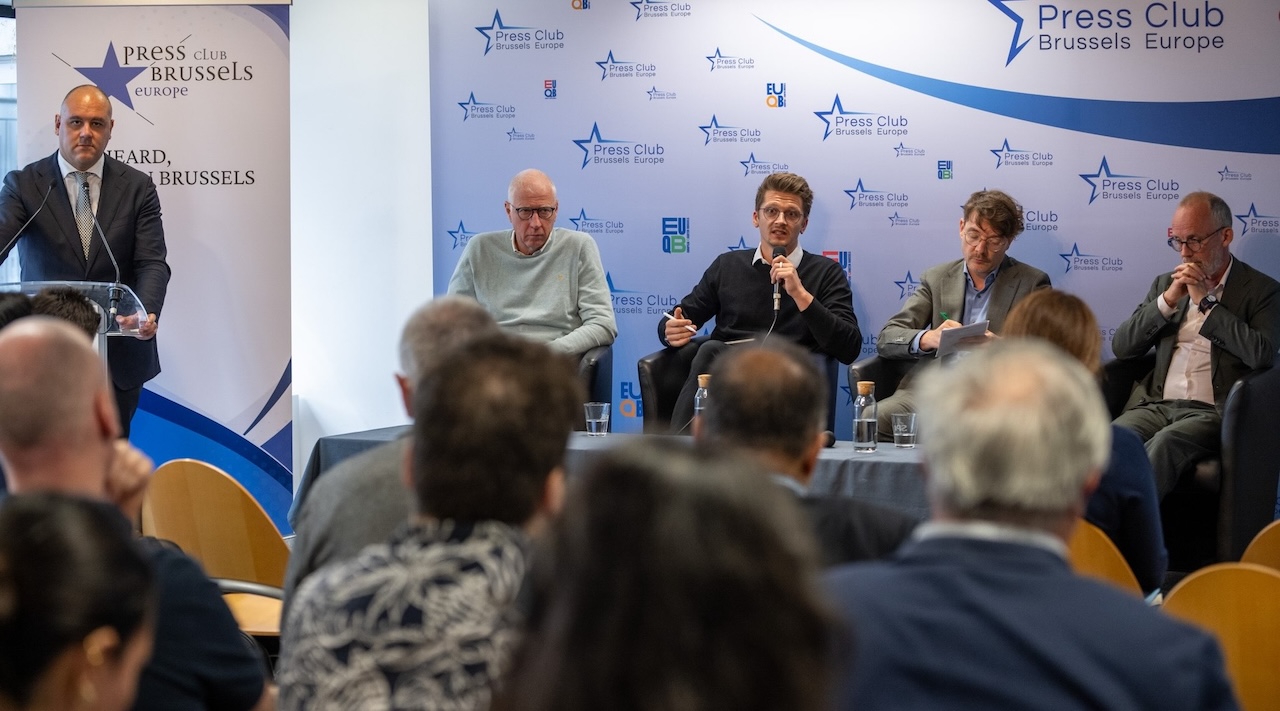
These realities are increasingly shaping discussions around COP31, the next United Nations Climate Change Conference in Antalya. These issues were also explored during the high-level event “Road to COP31: A Shared Future from Brussels to Antalya” at the Press Club Brussels Europe, organised by the Society for Environmental Awareness (SEA) in collaboration with the Sustainable Future Platform and Travel Tomorrow, which brought together policymakers, scientists and industry representatives. The focus is shifting from long-term climate targets towards immediate adaptation and resilience, especially in regions already under pressure. Coastal tourism destinations across Europe illustrate this intersection clearly, as they depend heavily on stable seasons, water availability and predictable environmental conditions that are becoming less reliable. Rising flood risks and growing pressure on infrastructure and insurance systems highlight how climate impacts are moving from environmental concerns into economic and operational challenges for destinations.
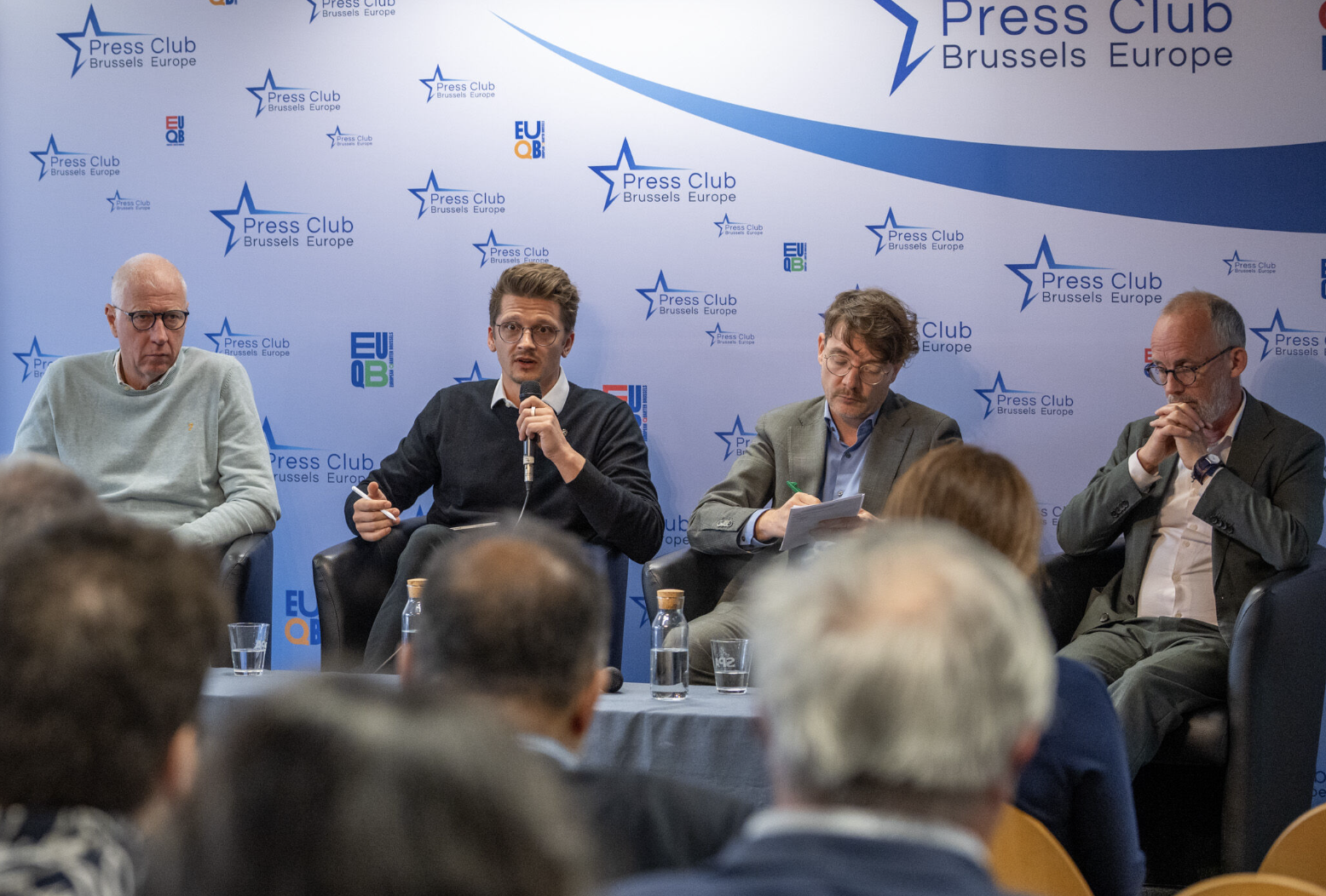
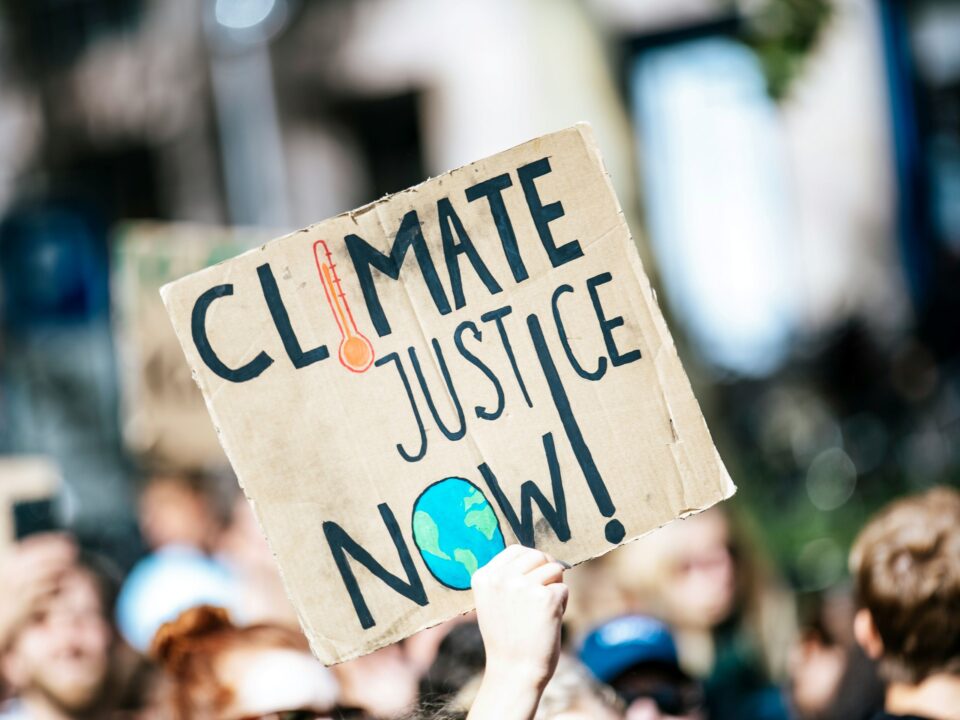
A recurring issue in these discussions is the gap between scientific knowledge and political action. Climate science has been warning about these developments for decades, yet implementation often remains slow or fragmented. “The knowledge is there, the political will is missing, and until that changes, scientific evidence alone will not be enough to drive meaningful action,” highlighted Bart Rymen, Belgium’s IPCC focal point. This gap is further widened by misinformation and limited climate literacy, which continue to shape public understanding of climate risks. International coordination remains essential, as climate impacts do not respect national borders. Pressure is increasing not only from scientists, but also from younger generations who are demanding faster and more visible action.
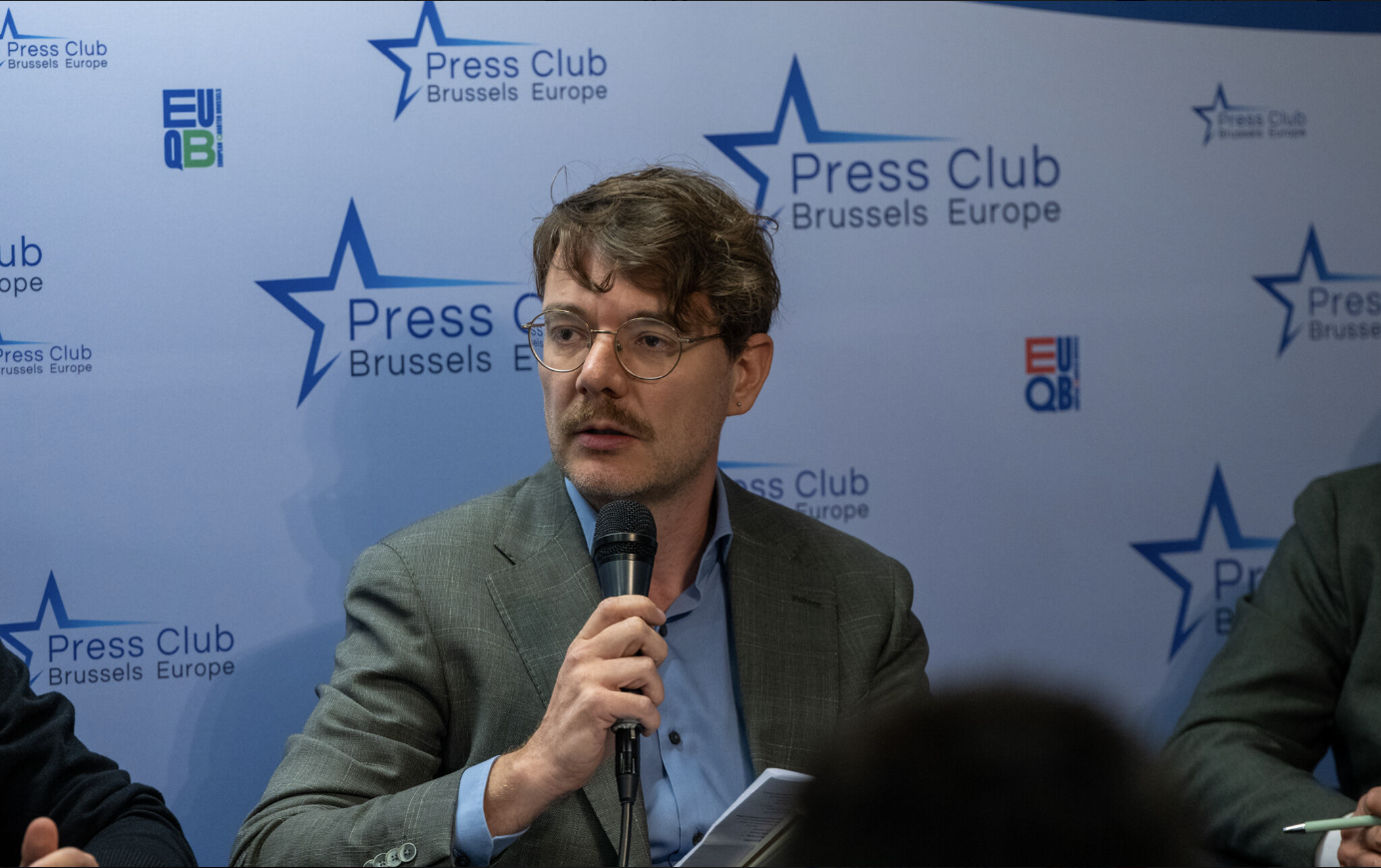
Traditional media dynamics are also shaping how climate debates are framed. Hans Bruyninckx, Professor of Environmental Governance at the University of Antwerp and former Executive Director of the European Environment Agency, noted that journalists regularly ask him to participate in discussions with climate deniers, despite the overwhelming scientific consensus on climate change. “There is no point in that debate, the real discussion lies within the complexity of the climate challenge itself rather than in questioning its existence.” He also pointed to a lack of investigative climate journalism, a problem he linked to financial pressures on traditional media outlets. Instead of presenting climate science as a two-sided debate, he argued that journalism has an important role to play in helping the public understand the complexity and urgency of the issue.
While environmental warnings have been consistent for decades, it is often economic consequences that finally push climate change higher on the political agenda. Policymakers tend to respond more quickly when environmental risks begin to affect financial stability, public services or security. One of the clearest examples can be found in the insurance sector, where climate risks are increasingly reflected in both current claims and future projections. According to industry assessments, Belgium could see around 40% more flood-related insurance cases by 2040. In some regions around the world, obtaining insurance is already becoming more difficult, creating knock-on effects for housing, investment and access to loans. Environmental risks often become politically urgent only when they translate into economic consequences, even though the scientific evidence has been available for decades.
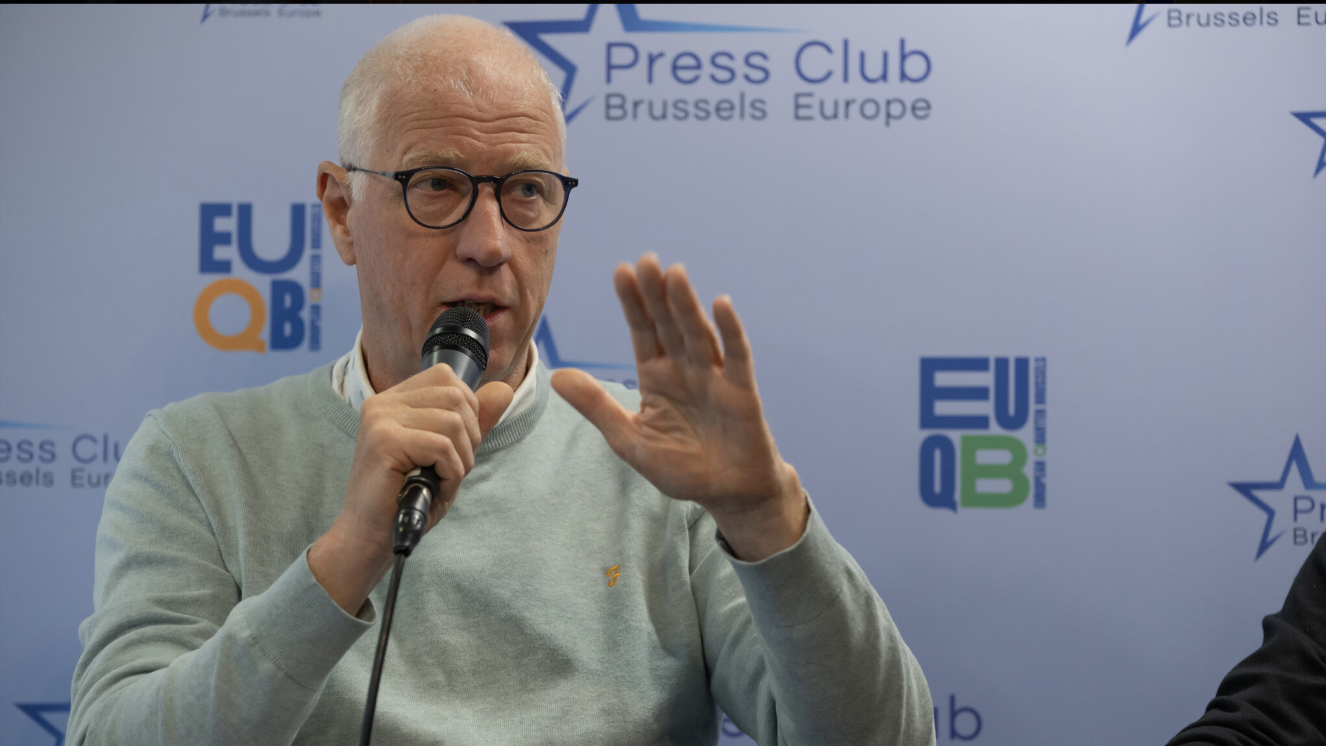
Alongside these risks, there is a growing focus on ecological resilience and circular economy models as part of long-term solutions. Ecological resilience refers to the ability of natural systems to absorb shocks and recover, while the circular economy focuses on reducing waste and keeping resources in use for longer. Instead of relying on linear systems of consumption and disposal, destinations are increasingly exploring ways to integrate nature-based solutions. “Wetlands and mangroves can act as living barriers, absorbing wave energy and softening the impact of floods
and coastal erosion before they reach human settlements,” explained Gudrun De Boeck, Head of the ECOSPHERE Research Group at the University of Antwerp.
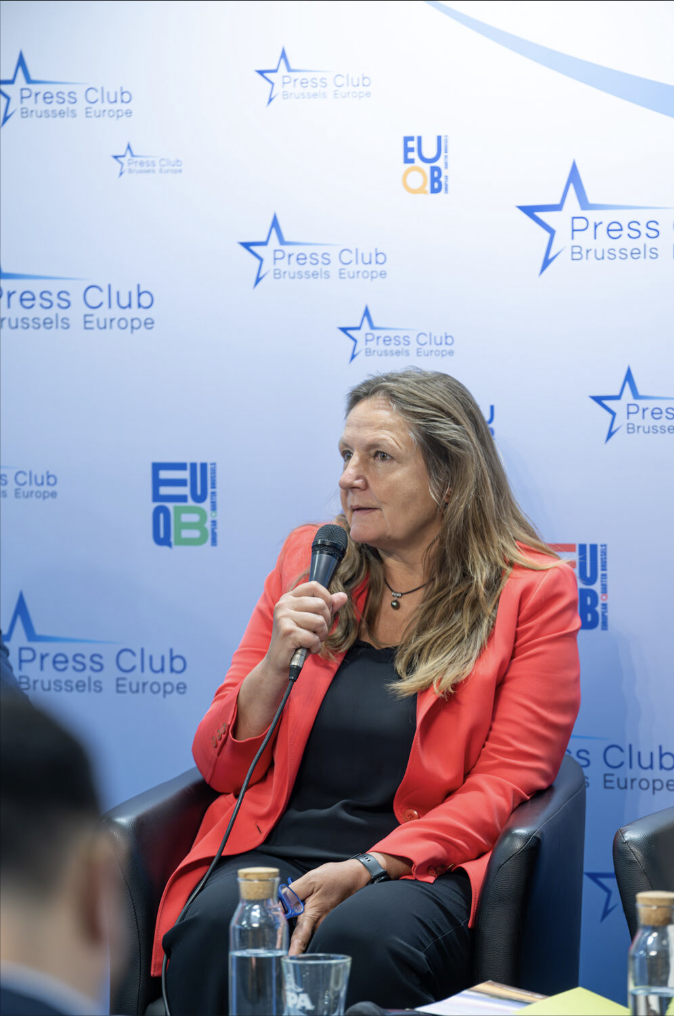
Tourism itself is also evolving in response to these pressures. In Türkiye, examples such as Club Marvy illustrate how tourism can move towards more integrated and locally rooted models. Rather than focusing only on visitor volume, this approach connects guests with local food systems, markets and cultural practices. It encourages a form of travel that is more participatory, where tourism becomes part of local life instead of being separated from it.
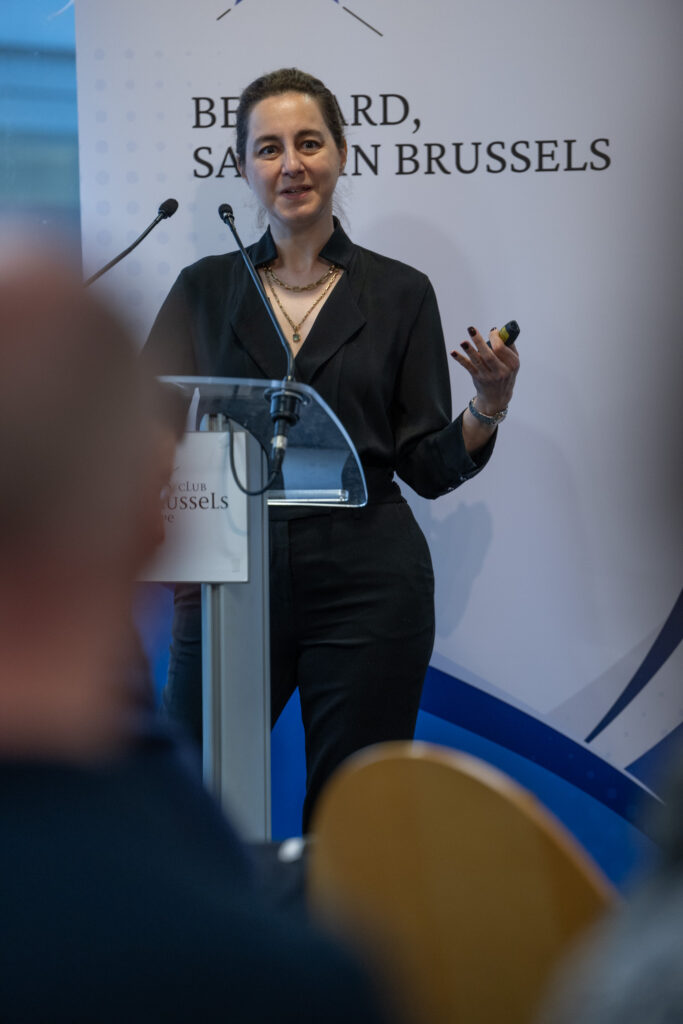
Communication is another key part of this transition, especially as climate change can still feel distant or abstract to many travellers. Scientific data alone is often not enough to convey urgency or complexity in a way that resonates widely. This is where journalism and visual storytelling play an important role. The exhibition “The Fragile Frontlines of a Warming World”, curated by Ipek Tekdemir and featuring the work of Christian Clauwers, aims to make environmental change visible through photography from regions already under pressure.
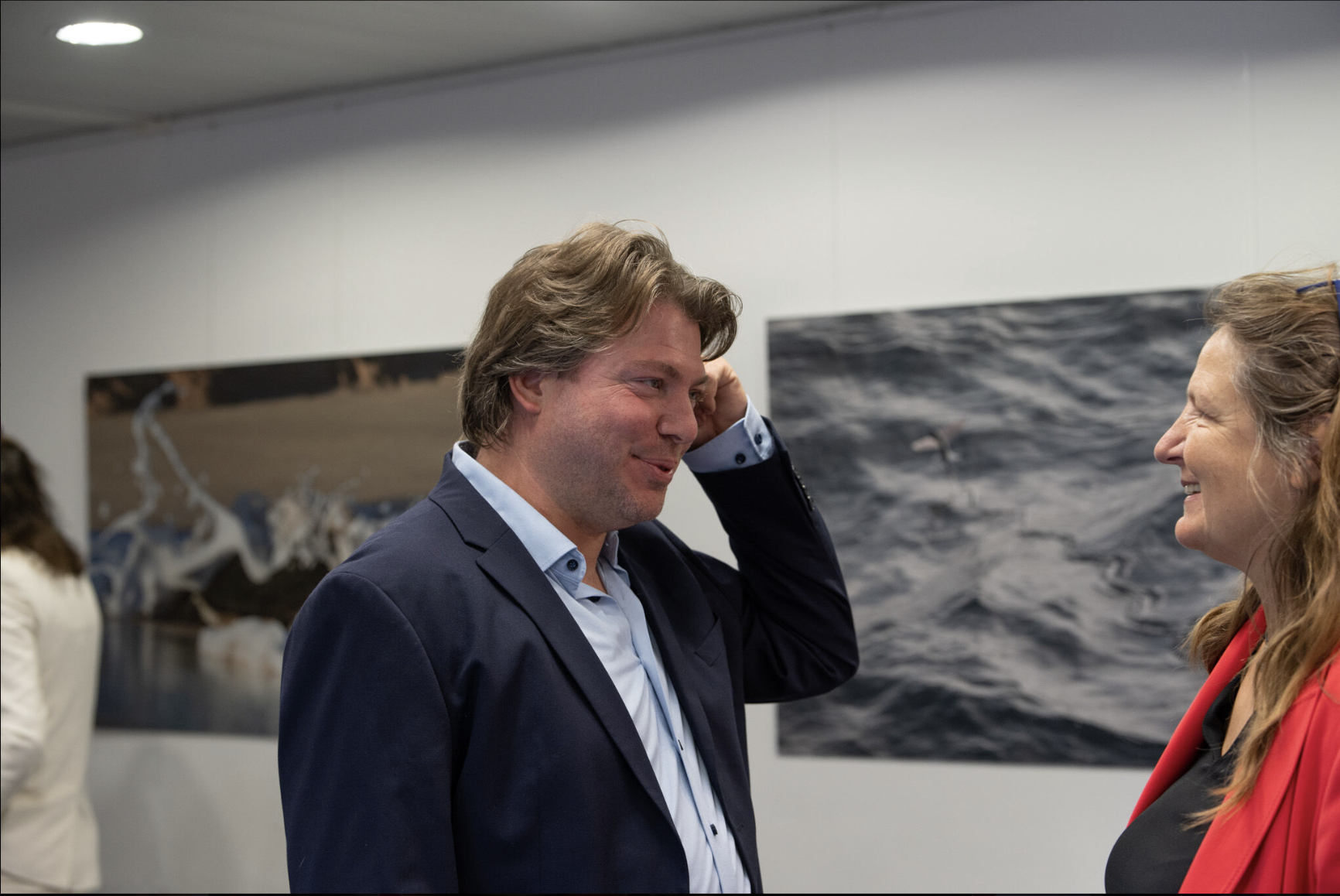
COP31 is increasingly positioned as more than another milestone in a long series of international climate negotiations. While agreements such as the Paris Agreement established global ambition, the challenge today lies in turning commitments into practical action at a time when climate impacts are already visible across tourism destinations. “Good leaders lead from the back, stronger economies and institutions, like the EU should actively support countries that are less equipped to deal with the consequences of climate change,” Daniel Cervenka, Director of The Convergence and CEO of Resolve Global. As COP31 approaches, attention is shifting from what has been agreed on paper to what can actually be delivered on the ground, with destinations already adapting to climate pressures through infrastructure planning, resource management and new tourism models.