


“Be water, my friend,” Bruce Lee famously said. Artificial intelligence seems to have taken the martial arts legend’s mantra a little too literally, as a new UN report sounds the alarm over the technology’s rapidly growing thirst and the enormous quantities of water consumed by AI data centres.
The report, produced by the UN University Institute for Water, Environment and Health (UNU-INWEH), highlights the significant amount of energy, water, and other resources being consumed by the AI boom. This is not the first study to highlight the hidden environmental cost of artificial intelligence.
Previous warnings have come from the Environmental and Energy Study Institute, and environmental activist Erin Brockovich, immortalised by Julia Roberts on screen, has also joined the debate, highlighting the impact of AI data centres on local water supplies.
According to researchers, the situation is likely to worsen before it improves.
Day-to-day use of AI models accounts for 80–90% of their total energy demand, with image generation requiring far more power than text queries, and high-resolution video demanding even greater resources.
In addition, the pressure created by data centres is far from evenly distributed. In some countries and regions, these facilities are already placing additional strain on electricity grids and drawing heavily on limited water supplies.
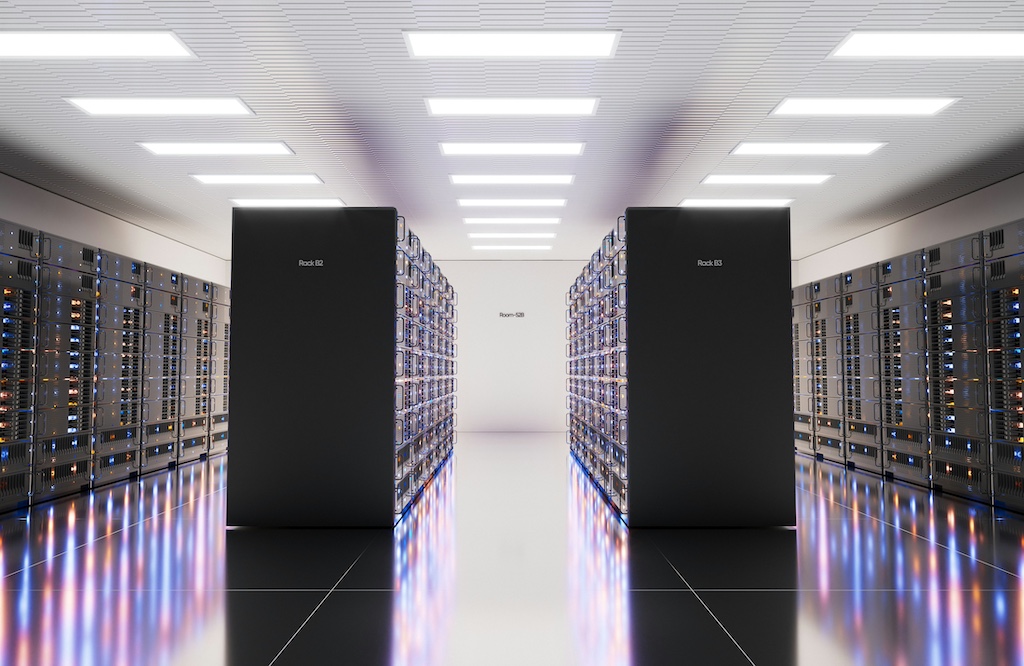
The 56-page UNU-INWEH report reveals that data centres processing chatbot queries, AI-generated images, and machine learning tools require billions of litres of water to operate. Many of these data centres are located in areas that are already experiencing drought or water stress, and there is often limited transparency regarding the resources they consume.
To illustrate the scale of this issue, it is estimated that global data centres used 448 terawatt-hours of electricity in 2025. Generating that electricity required around 4.5 trillion litres of water, or enough to fill approximately 1.8 million Olympic-sized swimming pools. By 2030, this figure could increase to 9.3 trillion litres, which is enough to meet the basic annual water needs of approximately 1.3 billion people living in sub-Saharan Africa.
The report cites Google’s data centre in Mesa, Arizona, as an example. Despite warnings from local water authorities about the region’s chronic drought and repeated shortages since 2022, the facility was authorised to use up to 5.5 million cubic metres of water per year. A quantity that can cover the needs of hundreds of thousands of people. Google has reportedly considered expanding its presence in the region regardless.
“Is the increase in tax revenue and the relatively paltry number of jobs worth the water?” asked Kathryn Sorensen, former director of Mesa’s water department and professor at Arizona State University. This issue is further compounded by evidence that, while switching to renewables reduces carbon emissions, it can sometimes increase water consumption.
Spain tells a similar story. Amazon’s planned data centres in Aragon are licensed to use approximately 755,720 cubic metres of water per year, enough to irrigate 200 hectares of corn, and they are projected to consume more electricity than the entire region currently uses. Three-quarters of Spain’s territory is already at risk of desertification.
The UN is now calling for urgent action, outlining a framework for a responsible AI ecosystem that uses resources wisely, takes local environmental realities into account, and commits to standardised, transparent reporting of energy, water, land and carbon footprints.