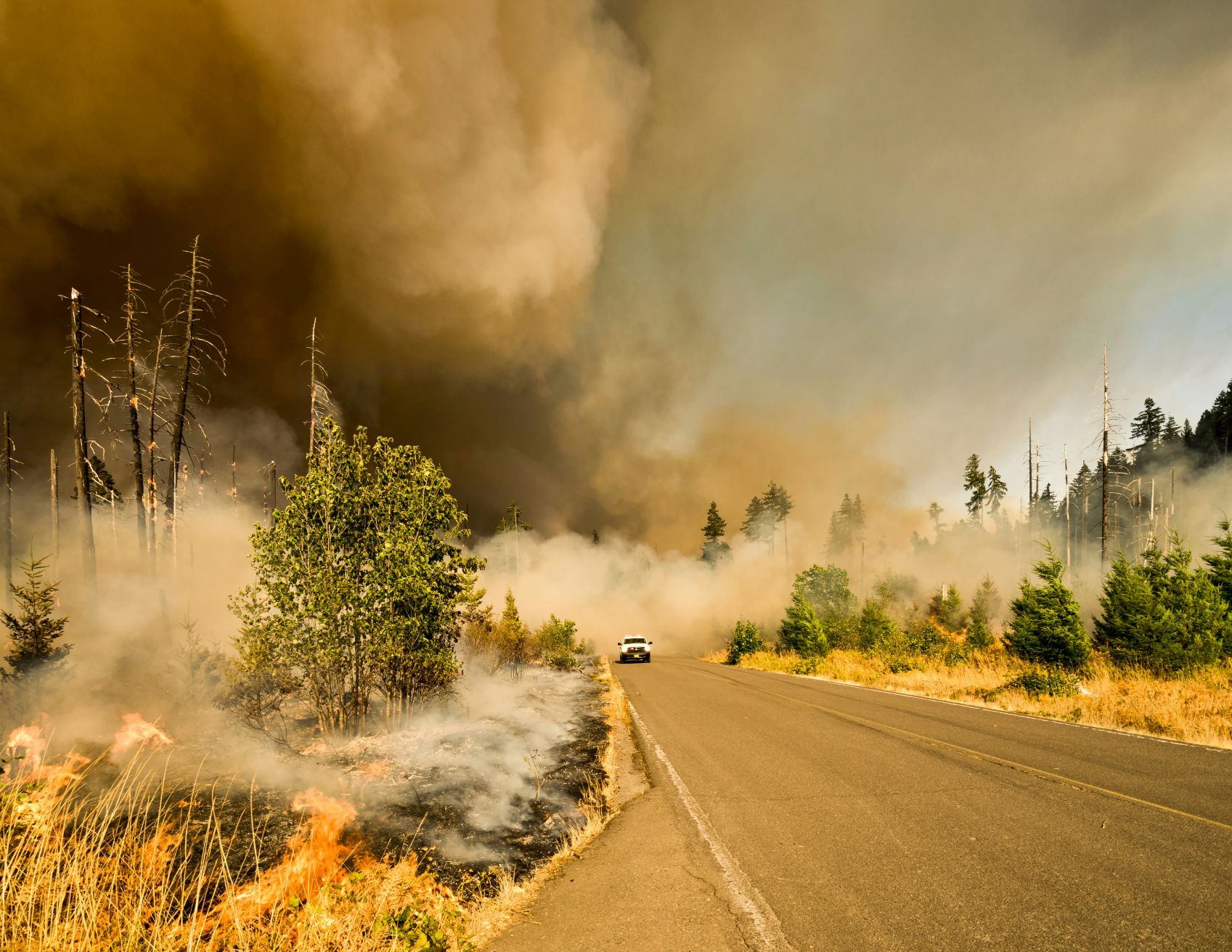



New travel advisories have been issued for Spain and France as the countries continue to battle huge wildfires that have caused mass evacuations and air quality warnings and are threatening entire urban areas like Bordeaux.
For Spain, the United Kingdom Foreign and Commonwealth Development Office has updated its advice to note the fires in the Madrid and Avila areas, telling people in affected areas to “follow instructions from local authorities and emergency services at all times; check updates from the emergency services; and call 112 if you need emergency help.”
Holidaymakers on their way to France are warned of the “high risk” of wildfires between April and October, and are also urged to check the status of their trip with local authorities, accommodation providers, and tour operators before setting out on any journeys.
Spain
Travellers should be aware that Spain has declared a national emergency due to the blazes in Madrid and Ávila. At the time of writing, around 24,000 residents in Toledo, Madrid, Ávila, and Castellón have been allowed to return home, and 20,000 others have been released from lockdown. But Spanish Prime Minister Pedro Sánchez has warned the next 12 hours will be “decisive” in the firefight.
Beyond the Madrid area, a fire at Vall d’Uixó north-west of Valencia has not yet been tamed, and an inferno at Burgohondo in Ávila province has forced 40,000 people from their homes and, still burning, now holds the record for the largest recorded wildfire in Spanish history, having swallowed 43,000 hectares.
France
French authorities have evacuated campsites, tourist accommodation and some residential areas, the British FCDO guidance notes. Parts of Gironde are affected by fires around Saumos, Le Porge, and Lège-Cap-Ferret, while in the neighbouring Landes to the north, surfing mecca Biscarrosse, near the Bay of Arcachon, is also under siege by flames.
Authorities warn that roads may close at short notice, restricting access and escape routes. An information line has been opened and accepts calls from 9 am to 5 pm on +33 (0)9 70 80 90 40 (press option 1 for Gironde, 2 for Landes). It is also possible to monitor active wildfires on the French wildfire map: Feux de Forêt.
How ethical and practical is travel?
As wildfires become more common across more nations due to climate-change-related drought conditions, aside from the safety factors, the travel and tourism sector is increasingly reckoning with the ethics and practicality of travelling to regions where natural disasters are playing out.
When governments stop short of official Do Not Travel warnings, travel consumers are usually unable to claim on insurance to recoup the costs of their lost holiday, meaning many people lose out if they choose to abandon their plans.
Others choose to continue with their trip, arguing that disaster-struck communities still need the income that visitors bring. Such conversations are still going on in Hawaii following the deadly wildfires of August 2023.
It is worth bearing in mind that routes in affected areas need to remain as free as possible for emergency vehicle access, and, as the mayor of Chapinería, Lucía Moya, told Telemadrid, the fire’s consequences are severe and “many residents have lost their homes and jobs. Getting back on track is going to be an arduous task.”