A volcano rumbles near a popular route. A cyclone shuts down a regional airport. A major earthquake knocks out roads and overwhelms hospitals. Or a sudden security incident leads to flight cancellations and a rush to leave. In each case, the pattern is familiar: travellers end up in queues, embassies work the phones, airlines scramble for alternatives, tour operators try to account for everyone, and local authorities do what they can with finite resources.
The travel industry is good at dealing with disruption. But cross-border movement in emergencies is still largely improvised – and improvisation gets expensive, slow and sometimes unsafe.
Tourism is back, and so is exposure to shocks
International travel has returned to historic levels. UN Tourism’s latest barometer confirms that international tourist arrivals in 2024 reached about 1.5 billion, and almost 690 million people travelled internationally in the first half of 2025 alone. Tourism export revenues also hit extraordinary levels in 2024, reaching around USD 2 trillion.
This is wonderful news for destinations and businesses. It also means that more people are, quite simply, “in motion” when something goes wrong.
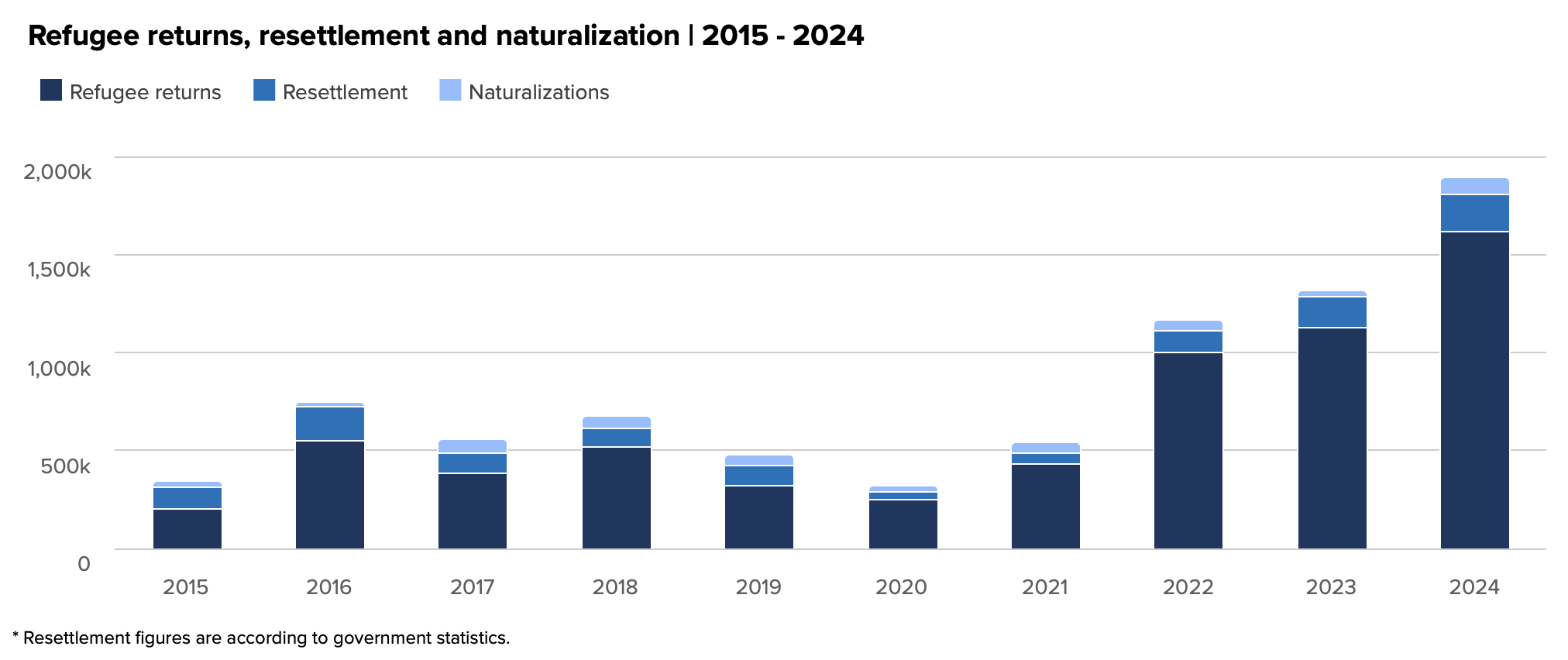
At the same time, displacement and emergency movement are rising globally. UNHCR estimates that by the end of 2024, 123.2 million people were forcibly displaced worldwide, and by mid-2025 the figure stood at 117.3 million. That headline number often frames politics, but it also signals something less debated in travel circles: the growing frequency of sudden, high-pressure movements involving people who need to get somewhere else quickly – an airport, a hospital, a safe region, or a family member.
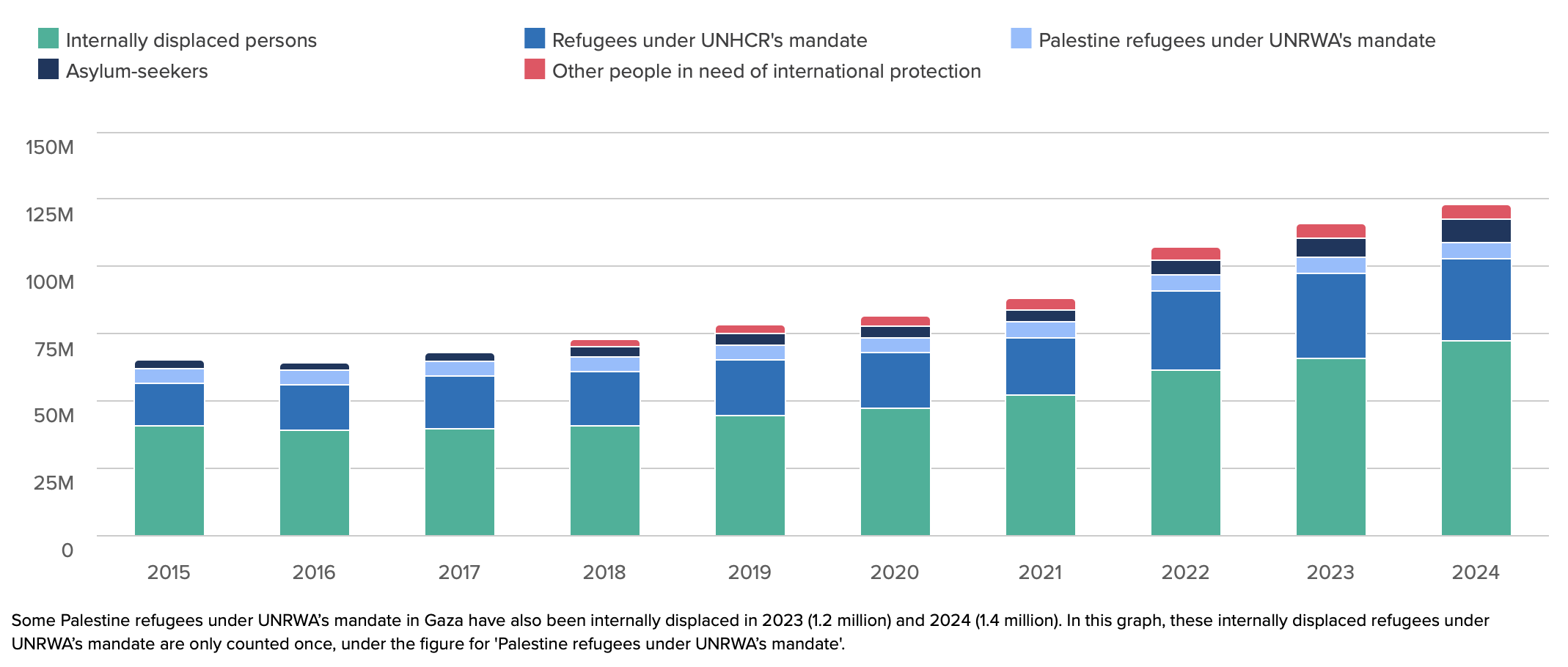
The disaster side is particularly relevant to tourism. UNHCR reports that in 2024, there were 65.8 million new internal displacements, and about 45.8 million of them were triggered by disasters such as floods, storms and earthquakes. IDMC’s latest global report notes that the world ended 2024 with 83.4 million people living in internal displacement, including 9.8 million displaced by disasters – and that the Americas saw a record 14.5 million internal displacements in 2024, with 11 million disaster-related movements in the United States alone.
These are not “tourism statistics,” but they describe the environment the tourism economy operates in: a world where extreme weather, fragile infrastructure and sudden crises are more common.
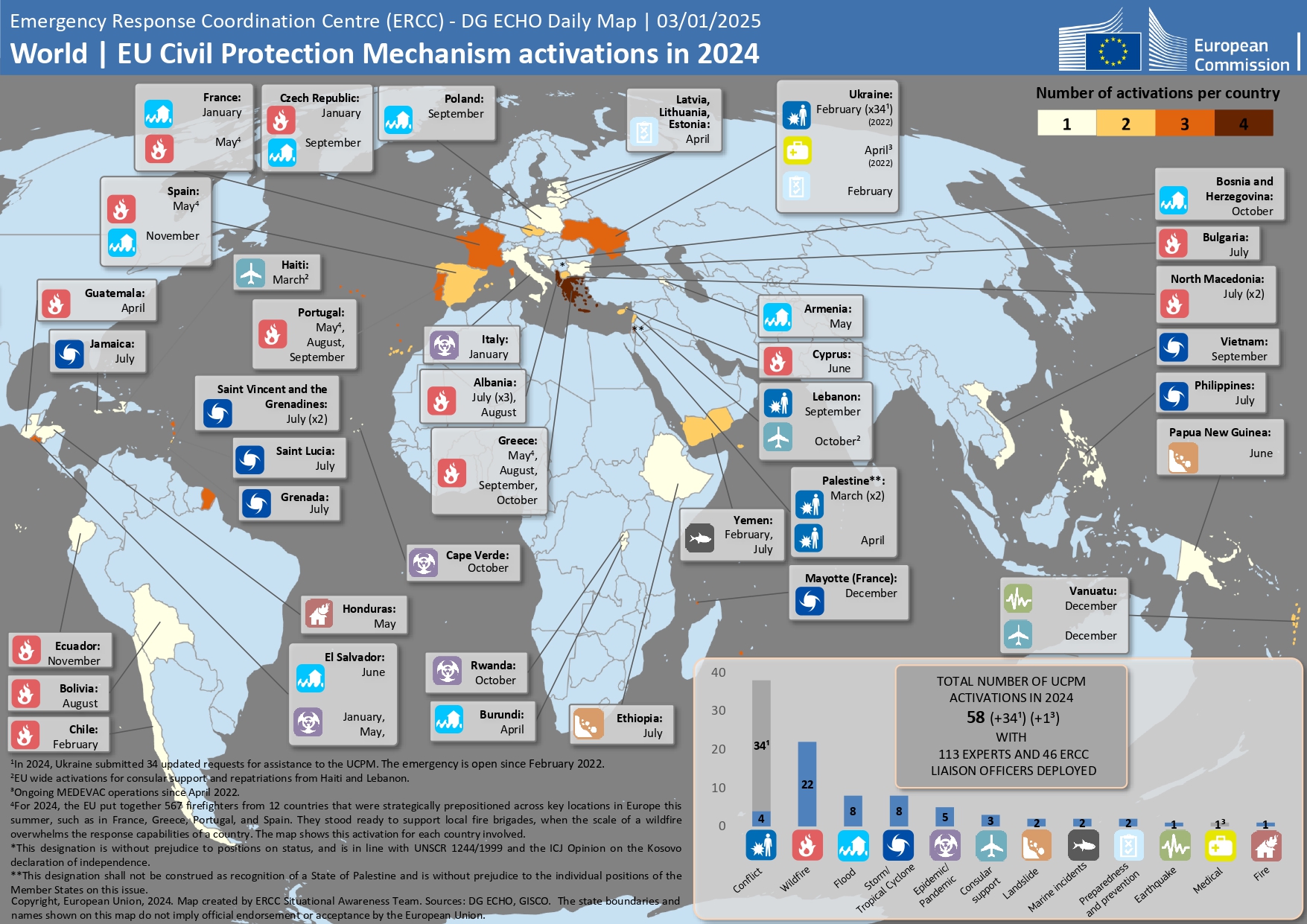
Even Europe’s emergency coordination reflects this rhythm. EU civil protection reporting shows the Union Civil Protection Mechanism was activated 93 times in 2024, and it also helped evacuate almost 1,400 European citizens from places including Haiti, parts of the Middle East and Vanuatu. Again: not tourism per se, but a sign that evacuation and onward travel have become routine tasks – and that coordination matters.
The quiet gap: short, lawful transit during emergencies
When travellers (and often local residents) need to move quickly during a crisis, the challenge is rarely the intent. Most people are not seeking a new life in the destination country; they are trying to reach an onward flight, a safer city, a medical facility, or a pre-arranged place to stay.
This is where a practical gap appears. International law and policy contain many useful tools – asylum systems, temporary stay arrangements, humanitarian admission, evacuation programmes – but there is no simple, widely used template designed specifically for short, time-limited, vetted transit across borders in emergencies.
⚠️ 26 million in 30 years ⚠️
— UNICEF East Asia Pacific (@UNICEF_EAPRO) October 8, 2023
That’s the number of children who are expected to be displaced by rivers that overflow & wash away homes across the region 🌊
Without urgent action, climate change will continue to force children to seek refuge far away from their homes 😞 pic.twitter.com/yPOpIjF0zY
In the real world, that means that every crisis rebuilds the operating plan from scratch: who can cross, for how long, with what documentation, through which entry points, under whose responsibility, and with what cost-sharing. Tourism stakeholders feel the consequences immediately: delayed evacuations, unclear rules, bottlenecks at small border posts, vulnerable travellers stuck in limbo, and reputational damage for destinations that were unlucky enough to be in the wrong place at the wrong time.
A travel-friendly idea: a Safe Transit “playbook” that doesn’t change immigration rules
I have been developing a proposal that tries to solve only this narrow problem. Think of it as a Safe Transit Convention – or, if the word “convention” feels too heavy for the travel industry, a Safe Transit protocol or playbook.
The concept is deliberately modest and optional. It would not replace asylum, and it would not grant a right to settle. Instead, it would offer participating states a crisis tool for a very specific group: people who can prove identity and prove an onward solution (a confirmed flight, medical transfer, family reunion documentation, or another pre-arranged destination).
In my working model:
- Transit is time-limited (for example, up to five days).
- Screening happens at embarkation or on entry, depending on what authorities prefer.
- Travellers receive a simple transit document linked to identity and a narrow itinerary and time window.
- Entry and exit are logged, so overstays trigger review rather than confusion.
- Standard forms keep it practical: a short request at the start and a brief report at the end with manifests and border logs.
- A small solidarity mechanism can reimburse verifiable direct costs, so frontline services are not left guessing who pays.
None of this dictates outcomes. It simply gives willing states a ready-made way to run a short, lawful corridor when the alternative is chaos.
Why the travel sector should care
Because tourism runs on confidence. A destination’s long-term image can be shaped by a handful of days when roads are closed, airports fail, or rumours spread faster than facts. The difference between a crisis that is managed and a crisis that becomes a story is often administrative: how quickly people were moved, how clearly rules were communicated, and how safely vulnerable travellers were handled.
A Safe Transit playbook would also support duty-of-care efforts across the industry. Tour operators and airlines can rebook flights, but they cannot open borders. Embassies can advise, but they cannot invent procedures at each crossing point. A standard transit tool would turn the most chaotic part – the short cross-border jump to reach onward travel – into something predictable: designated entry points, recognised documents, clear timelines.
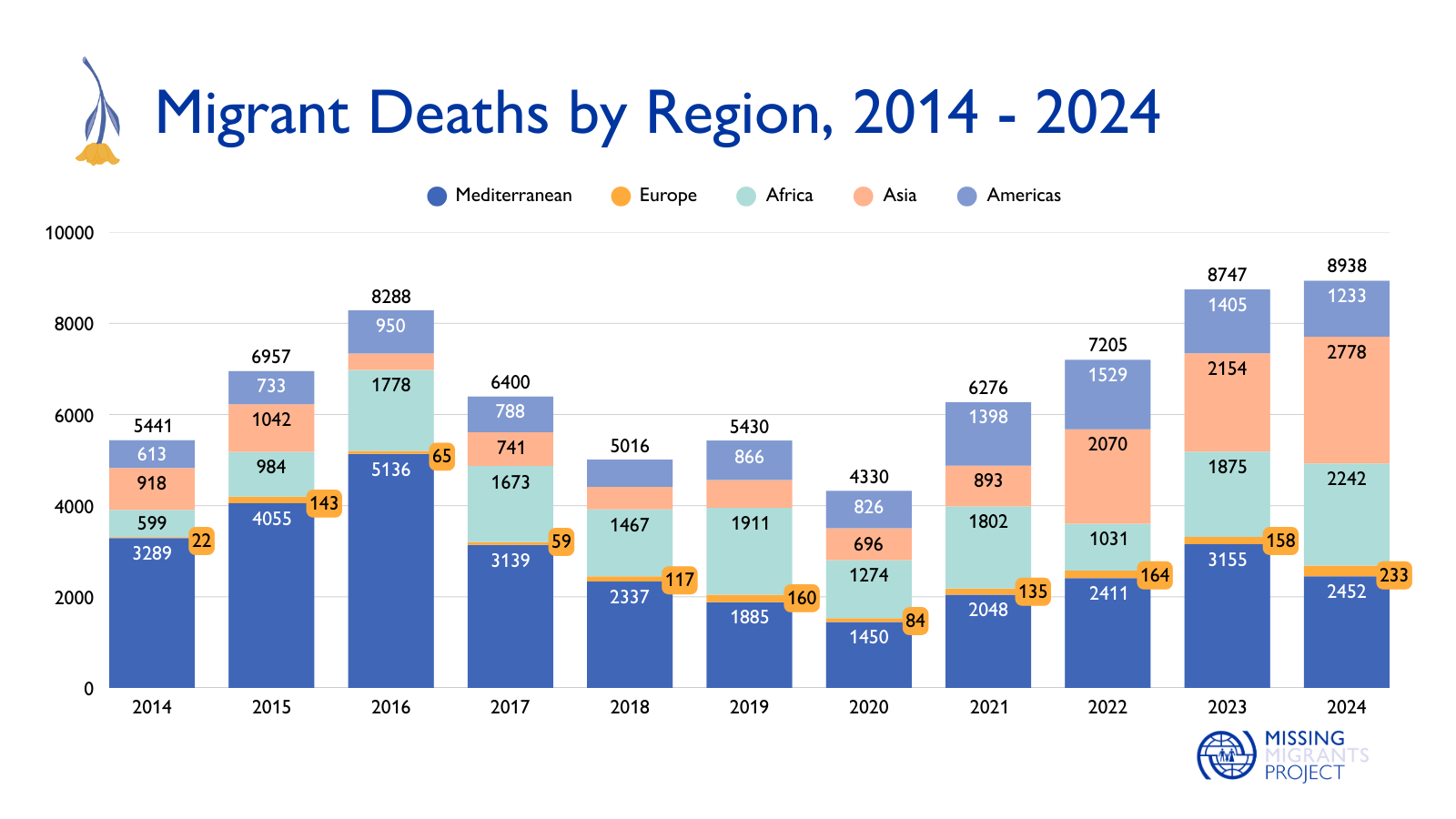
It would also help protect local communities. When transit is organised, it reduces pressure on informal routes, limits overstays, and makes it easier for authorities to focus on security as well as humanity. In a world where migration routes have become deadlier – with at least 8,938 deaths recorded in 2024 – anything that moves people away from risky, unregulated options and toward short, supervised passage deserves a serious look.
A practical way to start: pilots, not grand redesigns
The good news is that this does not require a sweeping new system overnight. It can start as a pilot: a small group of participating countries agreeing on a time window, a limited set of triggers (natural disasters, airport shutdowns, urgent medical transfers), a simple transit ID, and a basic reporting format. Run a table-top exercise. Test it once in a real event. Improve it.
Tourism has learned to build resilience through standards: safety protocols, crisis communications, traveller tracking, and contingency planning. Safe Transit is the same logic applied to a missing link – the brief cross-border step that often decides whether a crisis becomes manageable, or escalates into panic and tragedy.
In travel, the goal is not to eliminate risk. It is to make the next disruption less chaotic than the last. A light Safe Transit playbook would do exactly that.