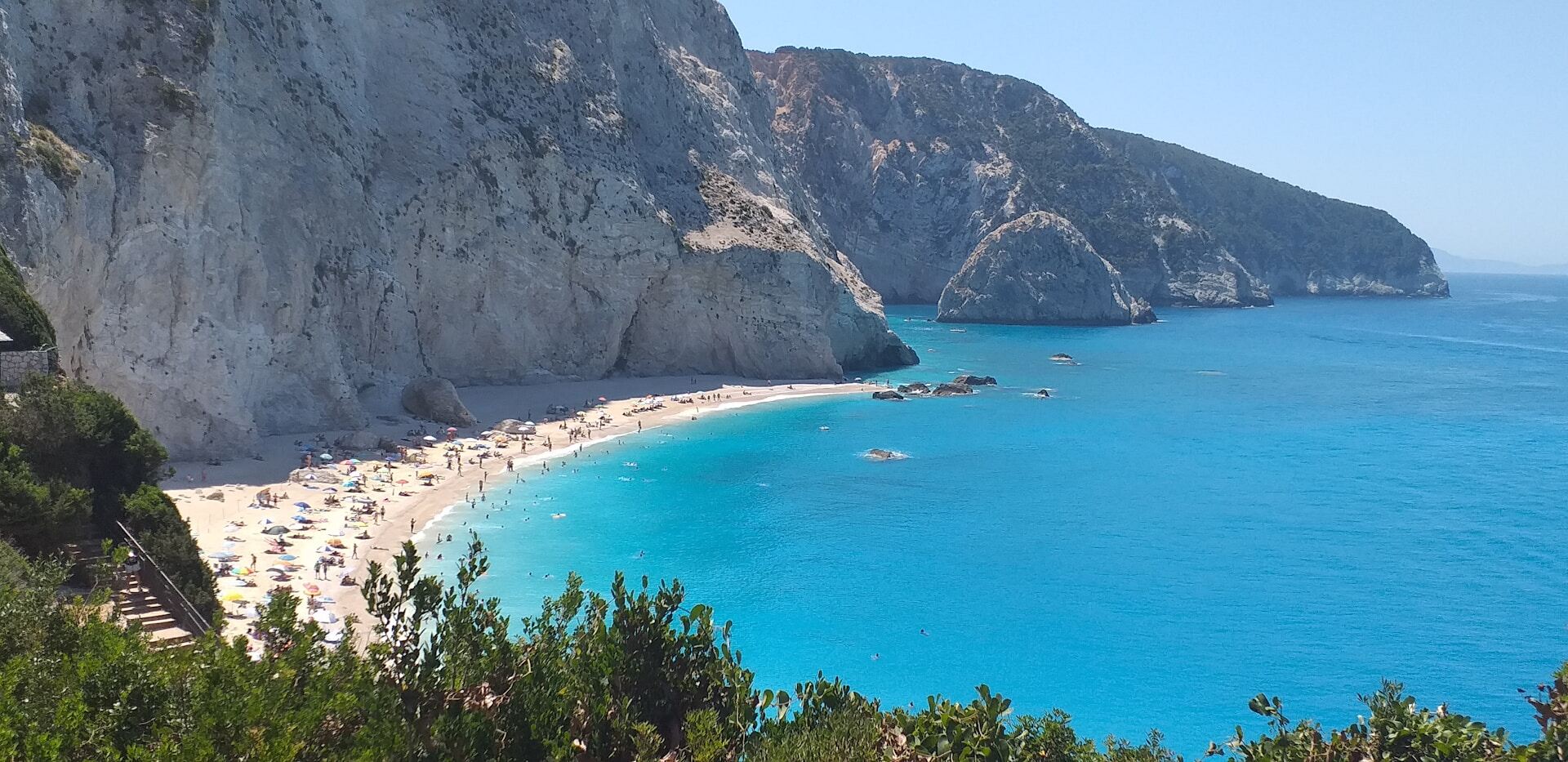



Fteri Beach in Greece has been named the best beach in Europe for 2026 and the second-best beach in the world. The ranking comes from The World’s 50 Best Beaches, which is based on votes from more than 1,000 travel professionals, writers and influencers. Judges looked at factors such as nature, swimming conditions, crowd levels and how untouched a beach feels. The results show a growing interest in quieter and less developed beach destinations across Europe.
Located on the island of Kefalonia in the Ionian Sea, Fteri Beach is known for its bright white shoreline, turquoise water and dramatic cliffs. The beach remains relatively quiet because it is not easy to reach. Visitors must either hike down a steep trail or arrive by boat from nearby ports. According to the ranking’s organisers, this isolation helps preserve the beach’s calm atmosphere and natural beauty. Travel experts also said the area offers the kind of peaceful beach experience that many travellers are now searching for.
Spain, Italy and Greece dominated this year’s European ranking. Cala Macarella in Menorca, Spain, and Cala dei Gabbiani in Sardinia, Italy, completed the European top three thanks to their calm turquoise waters and dramatic coastal scenery. Kaputaş Beach in Türkiye and Porto Katsiki in Greece also ranked highly, while beaches in France, Portugal and Ireland secured places in the wider list as travellers increasingly look beyond Europe’s traditional beach hotspots.
Top 10 beaches in Europe for 2026 according to The World’s 50 Best Beaches:
Fteri Beach, Greece
Cala Macarella, Spain
Cala dei Gabbiani, Italy
Kaputaş Beach, Türkiye
Porto Katsiki, Greece
Santa Giulia, France
Playa Cofete, Spain
Praia da Falésia, Portugal
Porto Timoni, Greece
La Pelosa, Italy
This year’s ranking also highlighted a wider travel trend. Experts said travellers are increasingly moving away from overcrowded tourist beaches and searching for places that feel more natural and preserved. Beaches that require extra effort to reach, such as those accessible by boat or hiking trail, are becoming more attractive. Judges also placed greater importance on environmental protection and lower crowd levels. According to the organisers, beauty alone is no longer enough for a beach to rank highly.
The renewed attention on preserved coastlines also comes as Greece continues efforts to tackle overtourism on some of its most popular islands. Earlier this year, the country announced that around 250 beaches would receive protected “untouched” status, limiting sunbeds, water sports rentals and large tourist infrastructure. Many of these beaches are part of the Natura 2000 network, which protects valuable ecosystems and wildlife habitats across Europe. Greece has also launched the MyCoast app to help travellers identify protected beaches before visiting. Authorities hope the measures will help preserve the country’s coastlines as more travellers seek quieter and more natural beach destinations.
Travellers planning trips outside Europe can also find several destinations in this year’s global beach ranking. Entalula Beach in the Philippines was named the best beach in the world for 2026 thanks to its remote setting, limestone cliffs and turquoise waters. Wharton Beach in Australia ranked third and stood out for its surfing conditions and untouched coastline. Nosy Iranja in Madagascar and East Beach on Fiji’s Vomo Island completed the global top five. Koh Rong in Cambodia also entered the top 10 and was highlighted as one of Southeast Asia’s emerging beach destinations for travellers looking for less crowded coastal escapes.