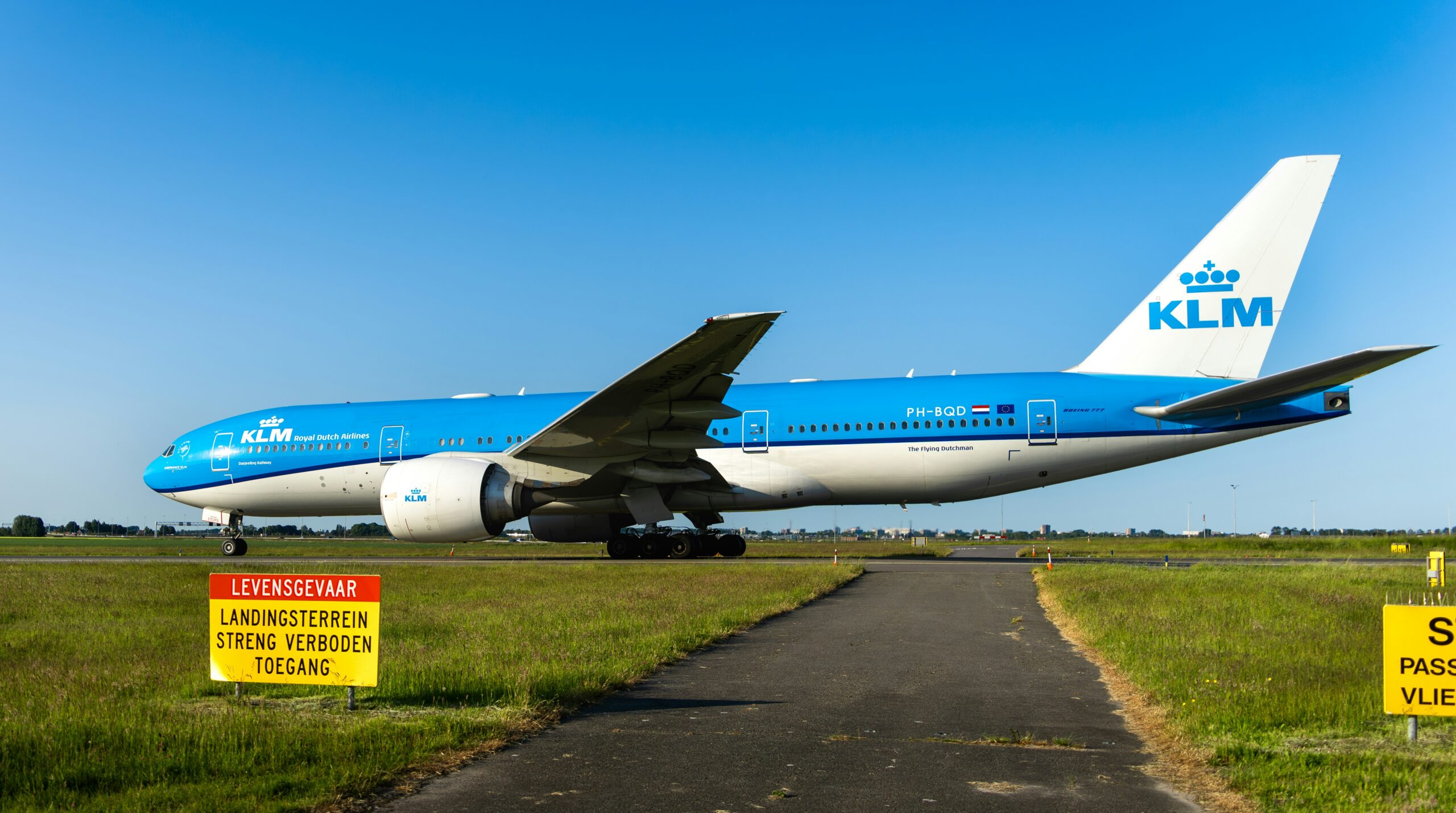



Dutch carrier KLM has extended its flight ban to the Middle East. Although flights were scheduled to resume from 28 June 2026 onwards, the airline shared on 26 May that it would not be returning to the region before 12 July at the earliest.
Since the outbreak of the U.S.-Israel war on Iran at the end of February 2026, many airlines have been avoiding the otherwise busy airports in the Middle East. Flights to the region have been cancelled en masse, and carriers have been privileging other hubs for their flight connections.
Dutch carrier KLM, part of the Air France-KLM group, has cancelled its flights to the Middle East since 1 March 2026. Since the airline has been keeping its travellers updated regularly while gradually extending the duration of the ban.
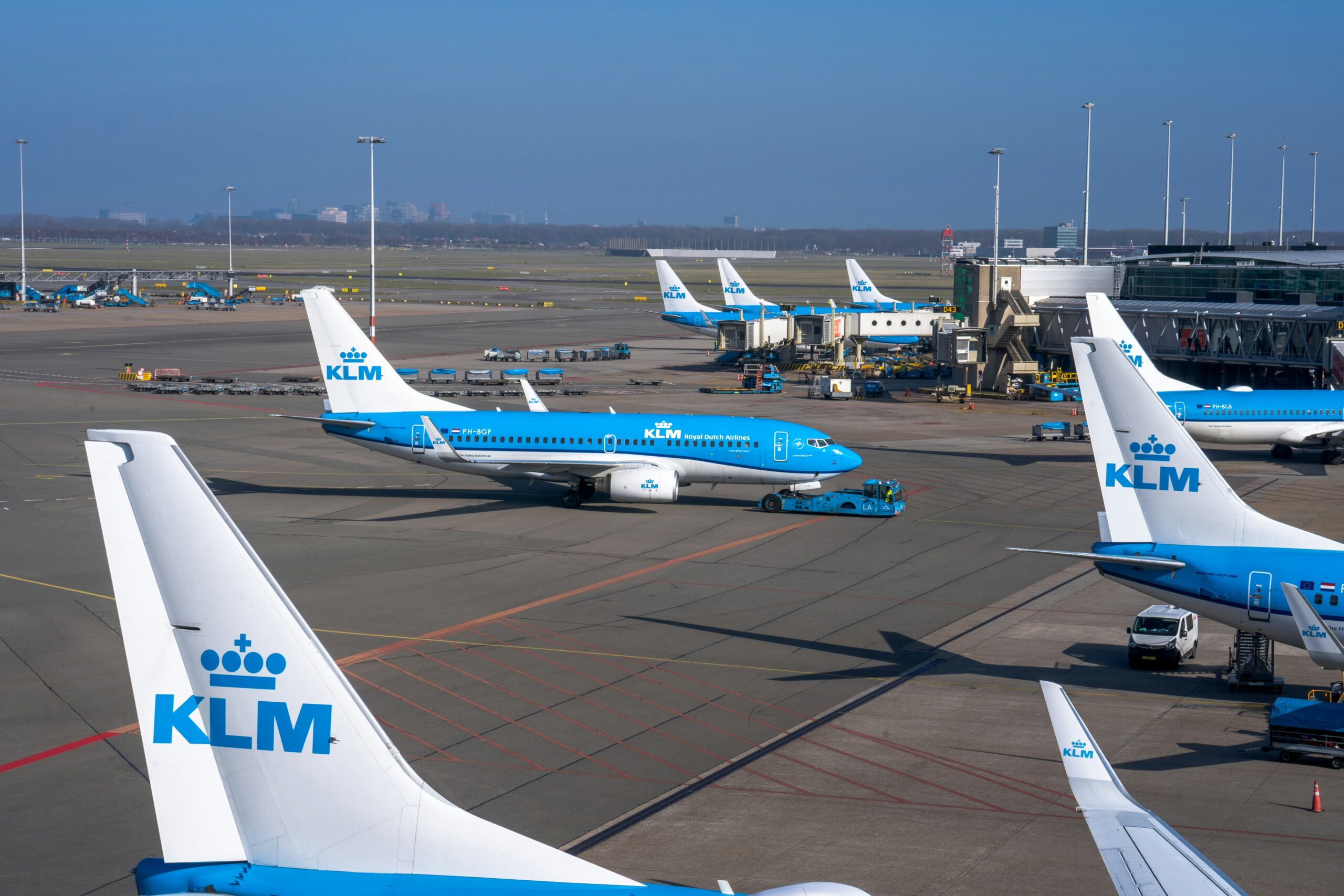
“Your safety remains our top priority. We will not resume flights until the airspace is confirmed safe for civil aviation. We understand this situation may significantly affect you, whether you are travelling, have plans, or are awaiting news from loved ones. Our teams are working around the clock to support passengers in the region or with upcoming travel plans. We assess each case individually to determine options for continuing, rebooking, or cancelling your journey. To provide more alternatives, we are coordinating closely with Air France and Delta Air Lines,” KLM’s CEO Marjan Rintel shared in a press release on 1 March 2026.
Until this week, the latest update was published on 6 May. At the time, KLM decided to cancel its flights to Dubai, Riyadh, and Dammam up to and including 28 June 2026.
On 26 May 2026, that ban has been extended even further into the future. The airline shared that it would cancel all flights to Dubai up to and including 2 August, while flights to Riyadh and Dammam have been cancelled up to and including 12 July 2026. It is uncertain whether KLM’s regular schedule to the Middle East will actually be resuming as of then or if the airline will once again extend the cancellations, as that decision will be made according to the development of the conflict.
The impact of the conflict in the Middle East
The U.S.-Israel war on Iran has been heavily impacting the travel industry. According to data published by the International Air Transport Association (IATA) in May 2026, air passenger bookings in the Middle East fell by 50% in March and April 2026 for travel between June and September 2026.
Global air passenger bookings, however, grew by 6% over the same period according to IATA. Previously, a report by Airports Council International (ACI) EUROPE already revealed that European air passenger traffic had expanded by 3.8% in March 2026. Passengers seem to be shifting their booking behaviour by waiting until closer to the date of travel before making reservations and by choosing regional travel instead of long-haul flights.