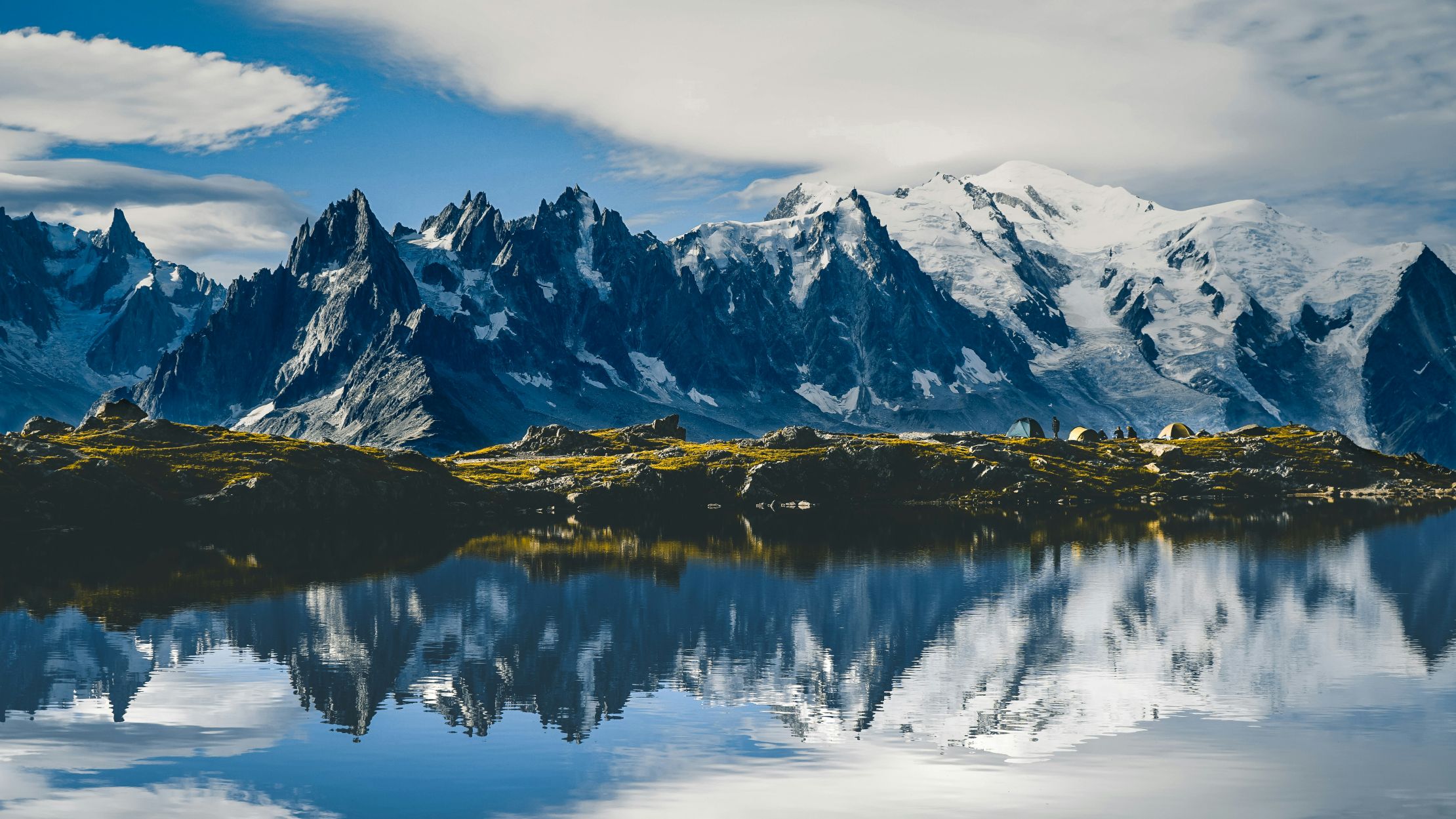



Hiking visitors to one of Europe’s classic long-distance trails could find access restricted from spring 2027, if calls from local authorities are put into action. The Tour du Mont-Blanc forms a 170-kilometre circuit around Western Europe’s highest peak, taking in France, Italy, and Switzerland, but the trail’s growing popularity is becoming an issue.
More than 80,000 people hike the Tour du Mont-Blanc every year, an influx that places strain on infrastructure in small towns and villages. Even places accustomed to visitors, such as Saint-Gervais-les-Bains, in Haute-Savoie, a village inFrance’s third-largest ski area, and a starting point for the Tour, cannot cope, according to mayor Jean-Marc Peillex.
In remarks to Swiss broadcaster SRF, Peillex recently pointed to how crowded parts of the Mont-Blanc trail have become, with back-to-back groups of hikers moving in single file. Littering and a lack of respect for the countryside are also problems. He wants visitor numbers to be restricted through a system of permits, with penalties for non-compliance.
A set of rules coming into force next spring in Saint-Gervais and several other French municipalities will mean Tour du Mont-Blanc hikers are required to make advance reservations for a place in a mountain hut or an authorised basic bivouac zone. Anyone who finds the accommodation fully booked would have to postpone their plans, reducing visitor numbers and human pressure on the trail, Peillex says.
These Mont-Blanc municipalities are not the first to introduce advance reservations. Three mountain refuges (Nid d’Aigle, Tête Rousse and Goûter) already operate a similar system. However, the spread of pre-booking rules is causing debate among the hiking community.
#Prévention Ascension du Mont Blanc🏔
— Gendarmerie nationale (@Gendarmerie) August 16, 2019
Rappels ℹ️ :
👉Réservations obligatoires aux refuges
❌Bivouac interdit en-dehors du campement de base
⚠️Aux faux guides aux prix attractifs !
Nos camarades du @PGHMchamonix 😇 veillent sur votre sécurité👌https://t.co/AiIMvh9AWd
📸F. Garcia pic.twitter.com/FK9DE4jgwz
Mountain guides have highlighted the unintended impact on their work, saying they must now reserve places in refuge huts a year in advance, before they have client bookings. Critics of the reservation system also say it undermines people’s freedom to roam the mountains, could discourage active lifestyles, and may affect local economies by reducing visitor numbers and pushing hikers towards trail entry points elsewhere, such as Switzerland, where no such restrictions are currently planned.
However, for those who see the Alpine trail as already suffering from overtourism, reducing visitor numbers is a desirable goal.
Meanwhile, Swiss authorities such as Joachim Rausis, mayor of Orsières in the canton of Valais, have acknowledged that some regulation is needed but warned of the potential for visitor confusion amid differing rules between destinations. He called above all for “coordination between Switzerland, Italy, and France”, suggesting further access restrictions could be on their way.