

What is Europe’s most iconic sight?
The Sagrada Família in Barcelona or the Eiffel Tower in Paris? Surely those are impressive, but perhaps it’s the centuries of history behind a place that matters, so the Acropolis in Athens and Rome’s Colosseum come to mind. Maybe it’s the natural beauty? Think of the Matterhorn, familiar even to people who’ve never been to Europe, whose closest encounter with the Alps has been watching The Sound of Music or buying a Toblerone from an airport duty-free shop.
This question is unanswerable by definition. And that’s the point. Ask a hundred people, and you will get a hundred different opinions. This, to me, is the essence of a European travel experience: diversity in all its manifestations, which I’m happy to see the European Commission’s new EU Sustainable Tourism Strategy celebrate and emphasise.
A shift “from volume to value” is one phrase that stuck with me.
The word ‘value,’ though, is highly context-dependent. It means different things to different people. For a holidaymaker, it might be finding the place of their dreams at the right price and being able to get there without a hassle. For a fifth-generation hotelier hosting guests at an 18-room agriturismo, it could mean enough bookings outside the peak season to keep their small crew employed year-round. For a town’s mayor, it might be about balancing the economic benefits of tourism, including the taxes it generates, with the needs and wishes of the local community.
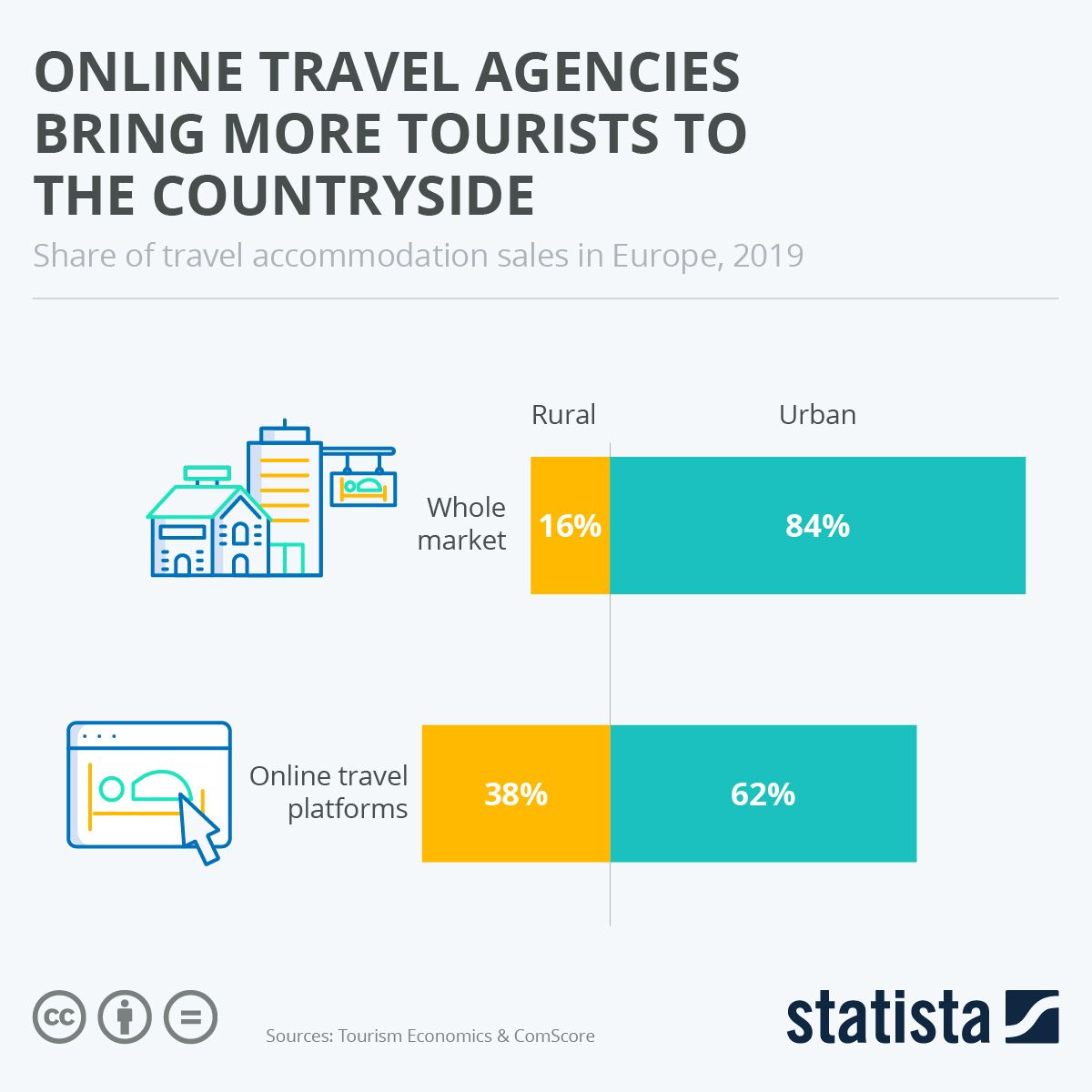
There is plenty of scope for these interests to converge and reinforce one another. Part of the opportunity lies in helping travellers discover more of what the Old Continent offers.
Our Destination Europe research, conducted with the knowledge partner Statista, suggests that history and culture still dominate prospective visitors’ picture of a European holiday. Yet when asked what they want from travel more generally, relaxation and time outdoors feature prominently. Europe has plenty to offer on those fronts, too.
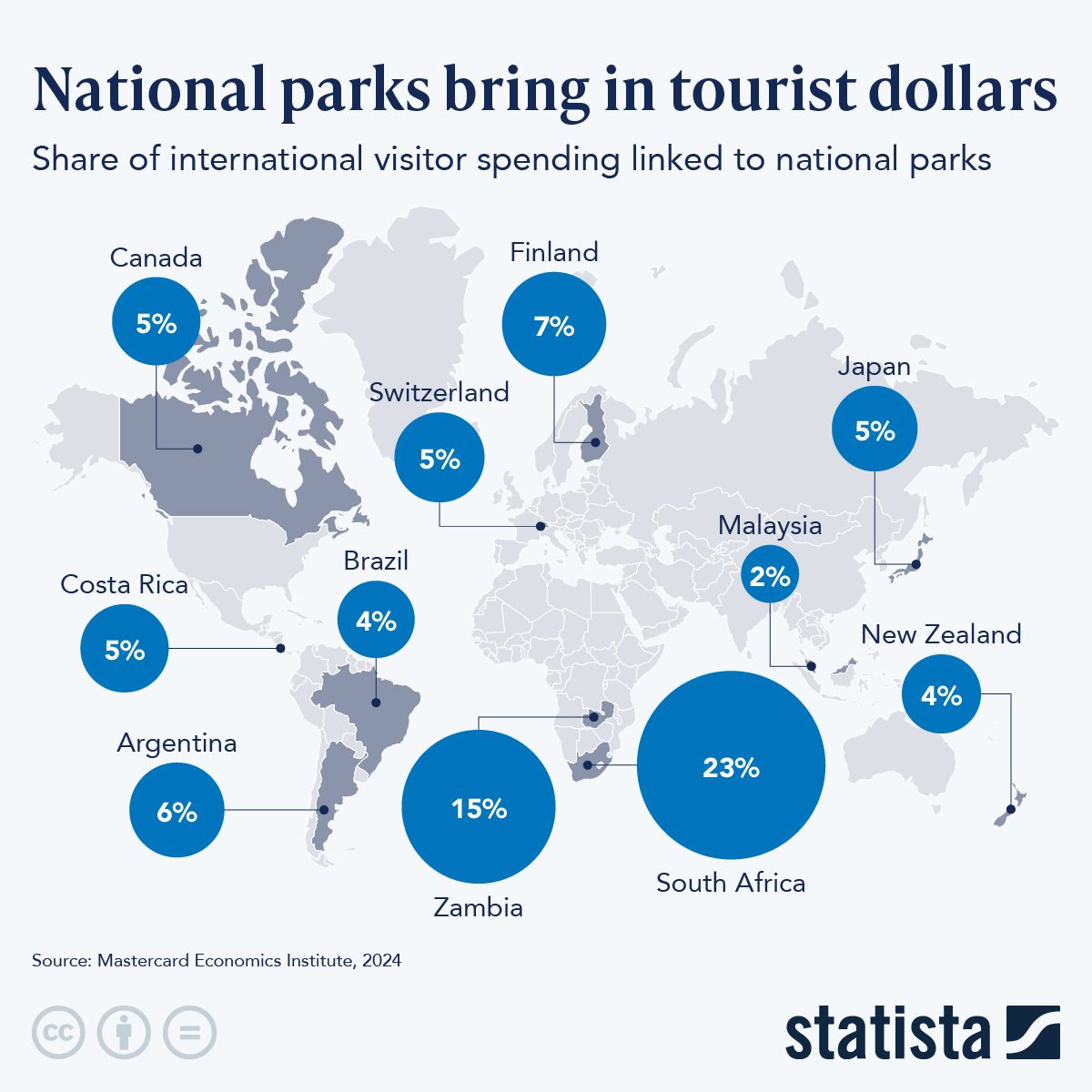
Take its national and regional parks. Among the 2,038 people Statista surveyed in the United States, Brazil, China and Japan, 69% said learning about Europe’s extensive network of these parks would make them more likely to visit.
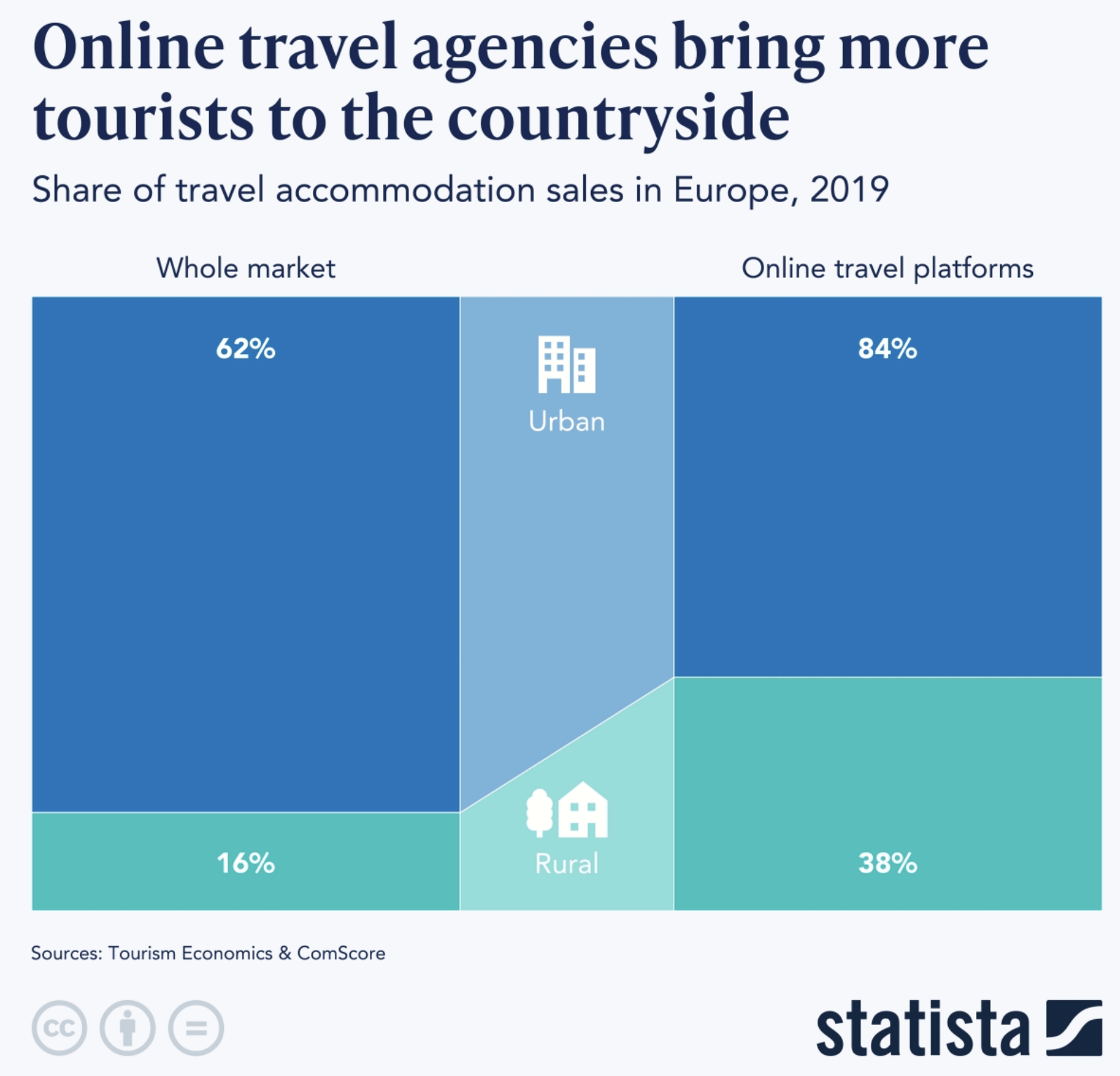
At Booking.com, helping people make those discoveries – offering choice, transparency, convenience and trust – is a large part of how we create value in a two-sided marketplace. An independent guesthouse can reach someone planning a holiday thousands of kilometres away, and broadly speaking, gain access to an audience it would struggle to reach on its own. Hoteliers recognise digital platforms as one of the most effective tools to address seasonality.
The Commission makes this connection in its staff working document: “digitalisation, particularly the growth of online booking platforms, has improved the visibility and accessibility of rural tourism businesses, enabling them to reach wider markets.” Travellers also care about where the benefits go. In 2025 research on travel and sustainability by Booking.com, 73% of those surveyed said they wanted their spending to go back to the local community.
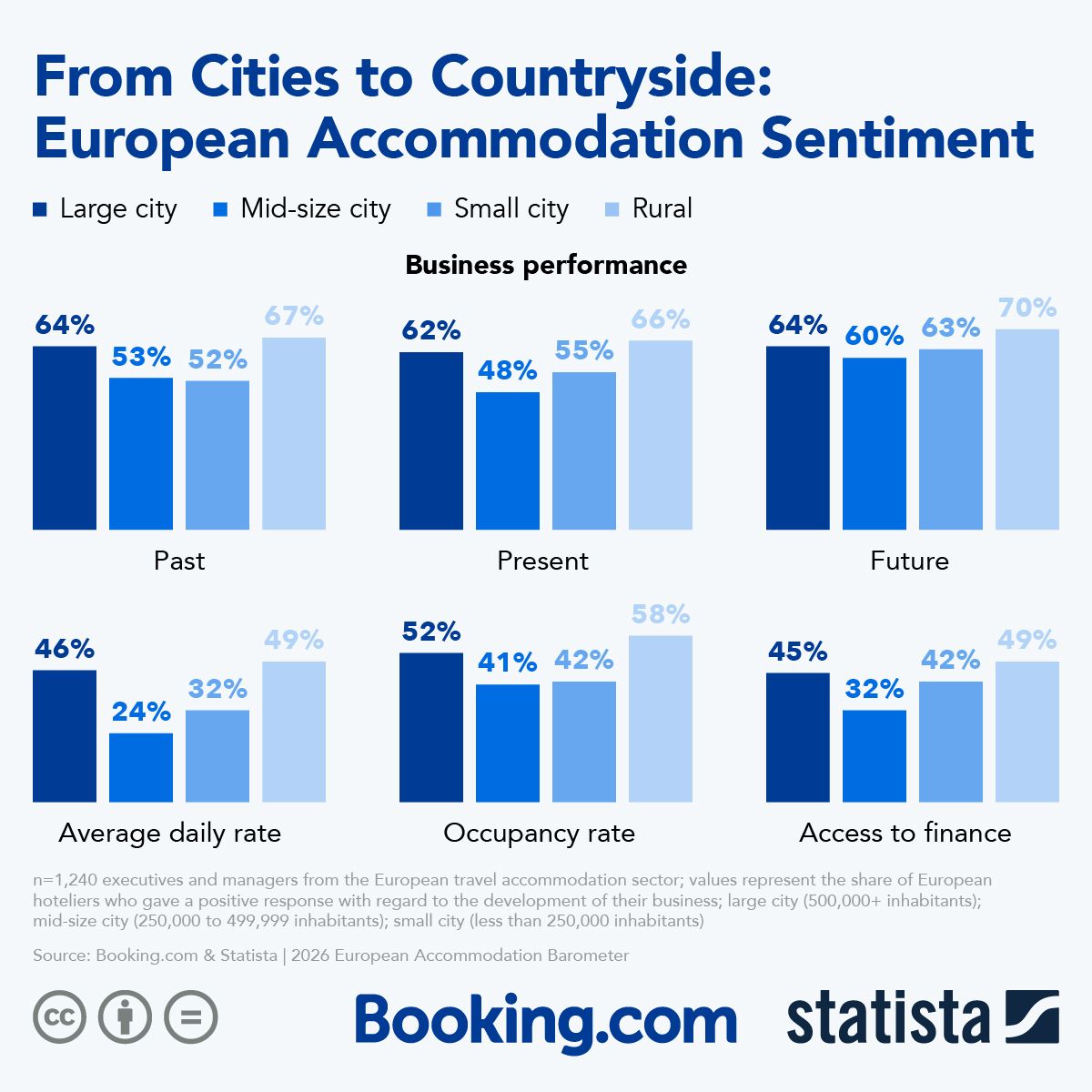
Across Europe, those individual decisions can quickly add up. WTTC’s research puts this in perspective: “The sector contributed almost US$3 trillion to Europe’s GDP in 2025, 9.4% of the region’s economy, and supported 40.7 million jobs, around one in ten. It is forecast to grow 3.1% in 2026, well ahead of the 1.1% forecast for the wider European economy.”
A sector that contributes so much deserves a central place in EU policymaking and a dedicated EU budget line. Promoting Europe’s lesser-known destinations to visitors from around the world is one practical use for that funding, and a task where joining forces makes sense.
Accommodation businesses are often small enough for the owner to greet you at the door. Even if their reach is hyperlocal, together they make an enormous contribution to Europe’s economy and character.
The Commission’s encouragement of “partnerships between SMEs and large companies operating in the tourism ecosystem” is welcome here. Independent properties, the vast majority of which are small, medium, or micro enterprises, often lack the marketing resources and tech savvy of the larger hotel chains. Digital platforms help bridge that gap, allowing a family-run guesthouse to reach customers around the world while remaining very much an independent local business.
The focus on upskilling matters just as much: a thriving hospitality industry should offer people the chance to build a career, develop their skills and go further. In our research, 83% of hotel employees surveyed wanted to move into leadership roles, an ambition worth backing with training that gives them a real chance to progress.
At Booking.com, our mission is to make it easier for everyone to experience the world. For me personally, that means caring about the people on both sides of a booking: a hospitality entrepreneur as much as a visiting family hoping to make memories that will last a lifetime.
Europe’s success as the world’s favourite destination owes so much to its small businesses and the people who run them. We are proud to help them reach guests from around the world, and thrilled to see the EU strategy recognise their contribution. Helping small businesses share their corner of Europe with others is a mission I believe in, and one we look forward to pursuing together.