

Climate-resilient, sustainable tourism must go further than developing individual resorts and hotels and look to the transport, infrastructure, and communities that surround them, speakers argued on Day 1 of the Global Tourism Forum in Brussels. Sessions at the industry event sent a strong message to international stakeholders that greener assets will require coordinated destination planning, diverse experiences that work for visitors, and the stability and long-term viability to attract investment.
In a session moderated by Tim Fairhurst, director general of the European Tourism Association (ETOA), delegates heard from Andreea Staicu, deputy head of the European Commission’s tourism unit in DG MOVE, who placed small businesses and destinations at the centre of the policy discussion. She outlined the practical implications of the recently adopted EU Sustainable Tourism policy, pointing to a stakeholder-developed toolbox addressing visitor flows, alongside challenges including water, waste, accessibility for all, and climate change.
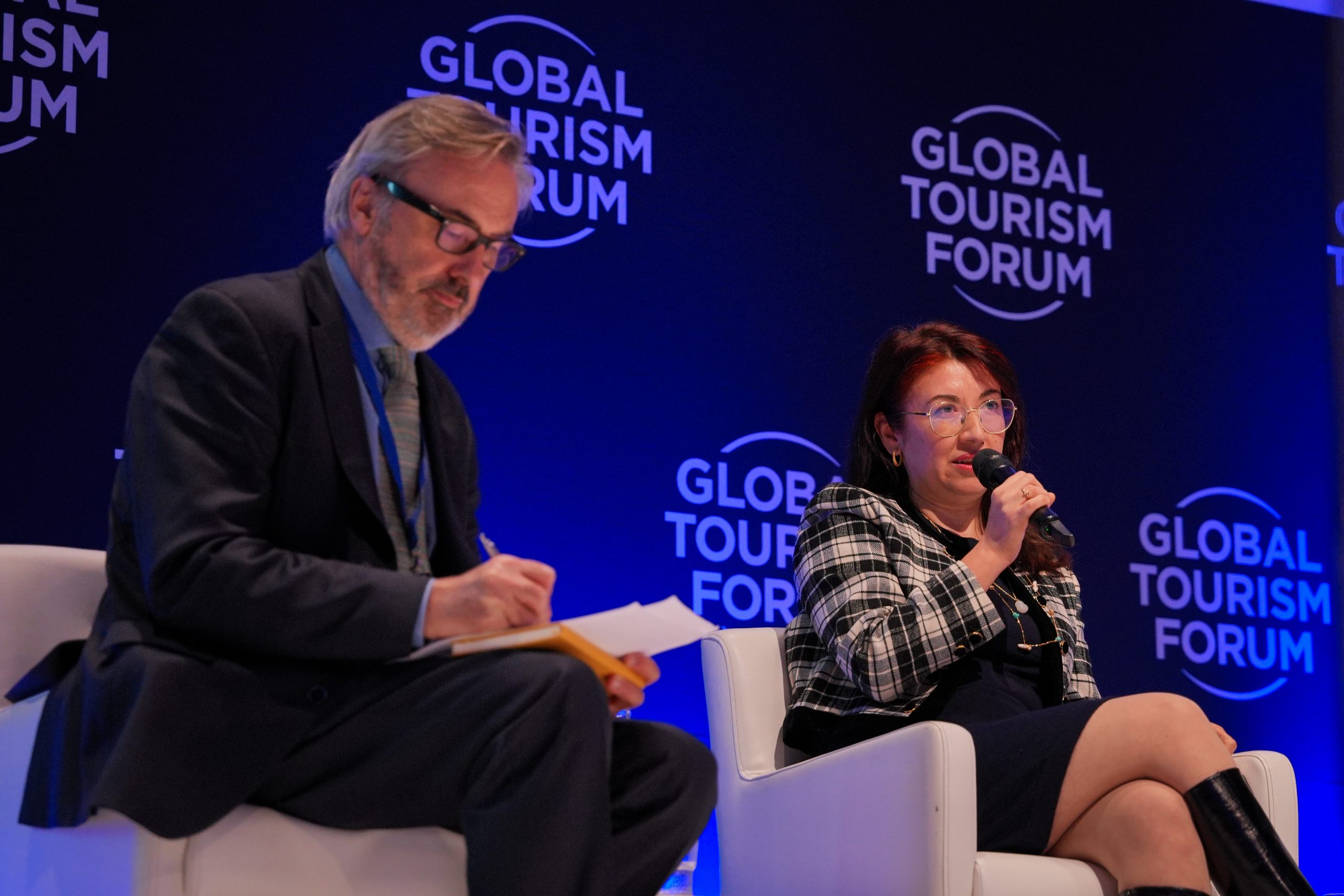
Managing demand, Staicu indicated, is not solely about easing pressure on popular places, describing her own growing impatience with the term “over-tourism.” Visitor flows are also a priority, she said, for destinations seeking more visitors. She also highlighted a Commission climate-resilience framework. For destination managers, the discussion connected environmental pressures with the practical task of distributing tourism’s benefits more effectively across places and seasons.
For Radisson, investment depends on the building, the owner and the destination moving together. Inge Huijbrechts, the group’s global senior vice president for sustainability, security and corporate communications, said the brand boasts 11 certified net-zero hotels but noted the importance of asset owners being as engaged as brands. She described eliminating energy emissions and using renewable energy as building-level priorities, but underlined that the consumer marketplace must also be ready for such hospitality offers.
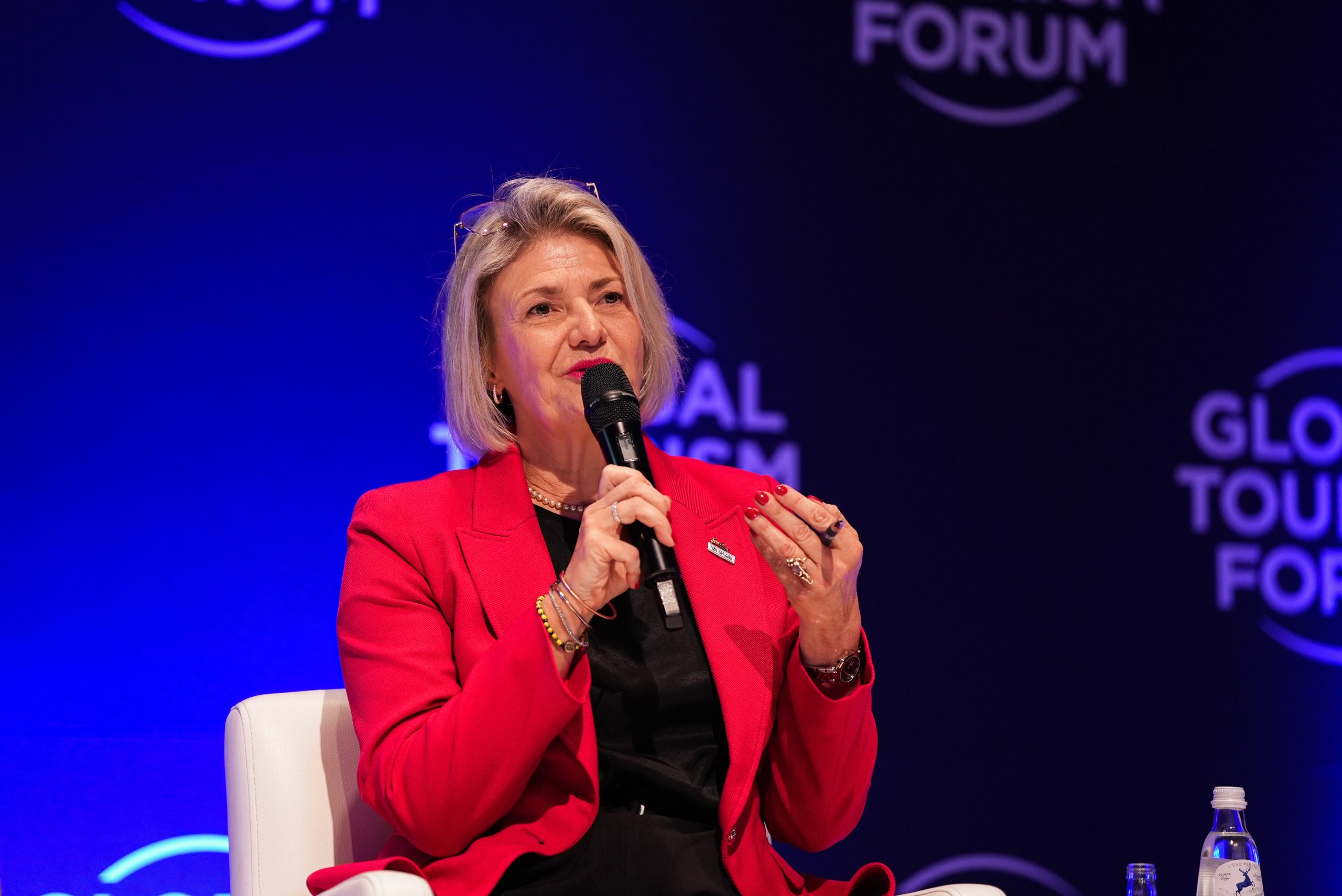
Huijbrechts presented Sheffield as an example of that collective approach. She said the council in the northern British city had invested in renovating a historic hotel building as part of its wider decade-long regeneration efforts, a foundation that then enabled the hospitality brand to complete its transformation into a net-zero property.
Nathalie Kvachantiradze, chairperson of the Georgian Tourism Association, took the discussion from the UK, to the Caucasian mountains. Investment there needs to focus on the snow and flooding resilience of roads and other infrastructure, she said. But sustainability, for her and Georgia, is also about the development of a year-round offer that leans into the country’s natural assets, and includes spring, summer, and autumn hiking, as well as gastronomy and wine tourism. Her priorities linked investment opportunities with risk assessment and public-private partnerships, rather than treating diversification and climate adaptation as separate agendas.
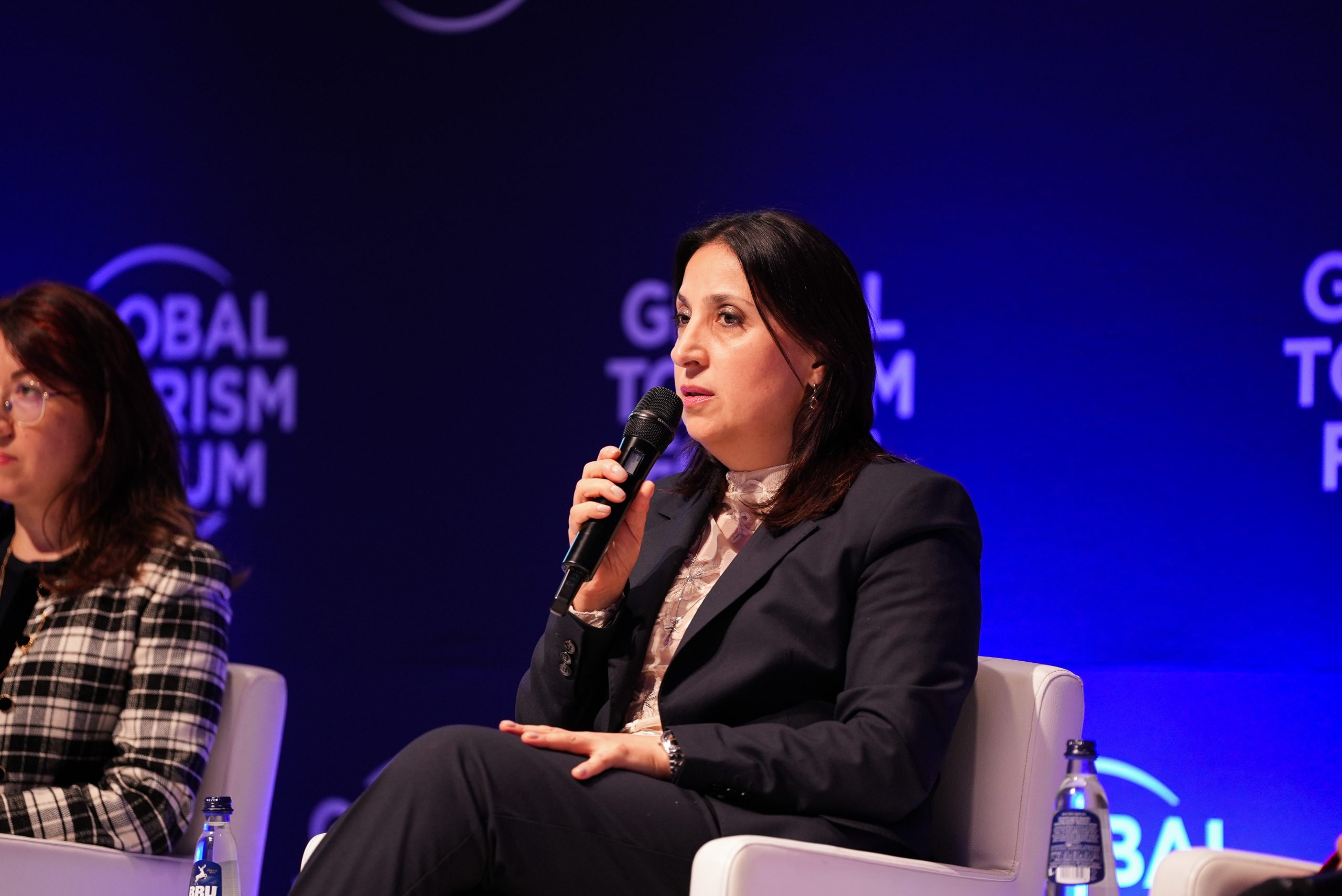
Financing also remains a sticking point, though, for the innovators attempting to find solutions to some of the planet’s and the sector’s sustainability issues. The environmental tech entrepreneur, Nico Nicholas, co-founder of Zero Group, described how his company turns wastewater into biofuels, and presented it as an answer to both waste management and energy needs. Securing support “hasn’t been as easy as we had hoped,” he said, noting that most backing still comes from municipalities and government. Sustainability, he argued, must earn back its cost rather than function as a charity, and savvy investors realise this.
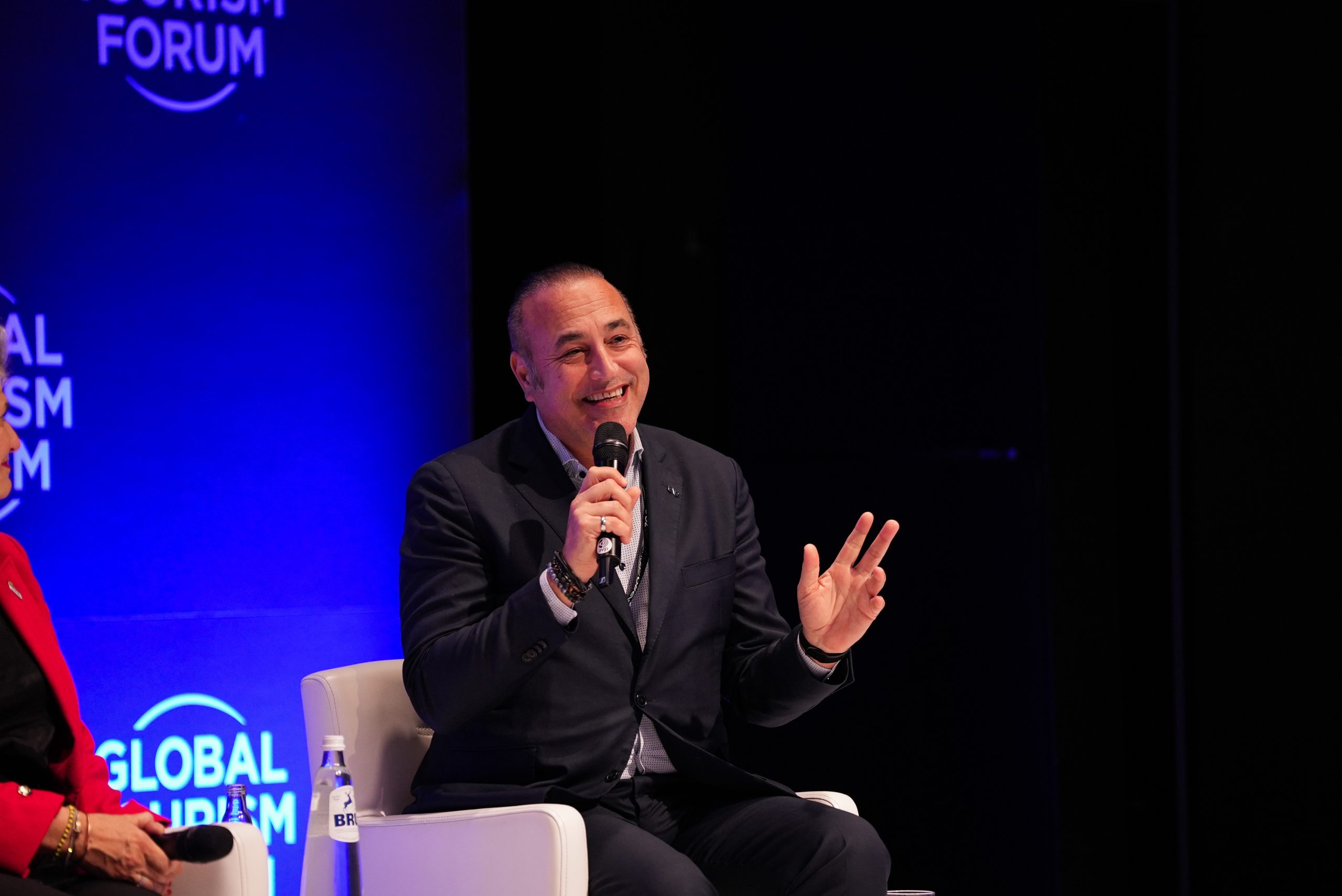
An earlier connectivity session, also reported by Travel Tomorrow, reinforced those arguments argument against working in isolation. Discussion of European rail focused on reducing fragmentation and making cross-border journeys seamless, while remote destinations needed to be visible and bookable, without losing their distinctive qualities. These points complemented the green investment and climate resilience debate: extending seasons requires not just attractions, but reliable access and demand that businesses, and investors, can plan around.
Across the discussions, the sector’s challenge could be summarised as bringing together policy, finance, and destination delivery through shared responsibility across stakeholders and authorities. For consumers, the potential gains are easier, “borderless” journeys, wider seasonal choice, and a more consistently sustainable experience.