


Europe’s tourism stakeholders have issued a fresh warning that the European Union’s new Entry/Exit System (EES) is hurting the continent’s appeal, and a broad coalition wants the EU to hit the pause button on fingerprint and facial scans before the festive rush.
In an open letter dated 26 November, the Tourism Manifesto, an alliance of more than 80 public and private organisations from across the sector, asks the EU to renew member states’ flexibility over suspending biometric collection until the system’s persistent problems are properly addressed. Europe, the group argues, is open for business and well connected, yet the EES is creating “unnecessary friction.”
The financial stakes are considerable. Drawing on World Travel & Tourism Council (WTTC) research, the letter says up to 41 million international arrivals and USD 45.4 billion in visitor spending could be at risk if long delays become a permanent feature of travel to the Schengen Area.
The WTTC’s consumer survey, published in June, suggests patience has limits. While 87% of travellers would tolerate minor disruption in return for smoother journeys later, 55% said it depended on how long the waits were. Some 63% would consider a destination outside Schengen if delays became routine, and 39% of UK travellers said excessive queues would make them much less likely to visit.
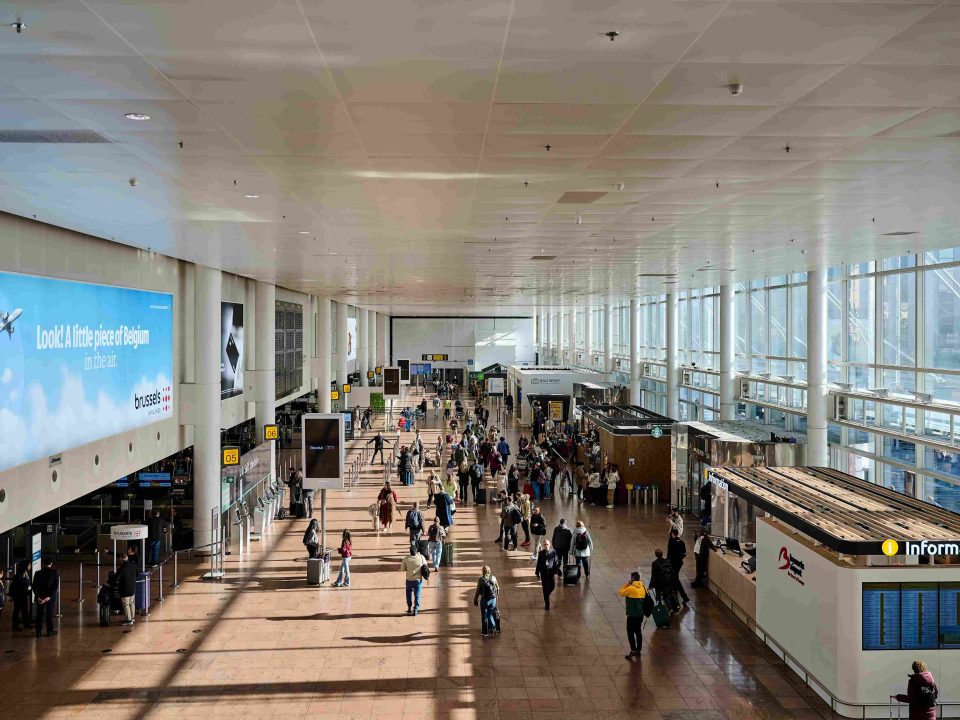
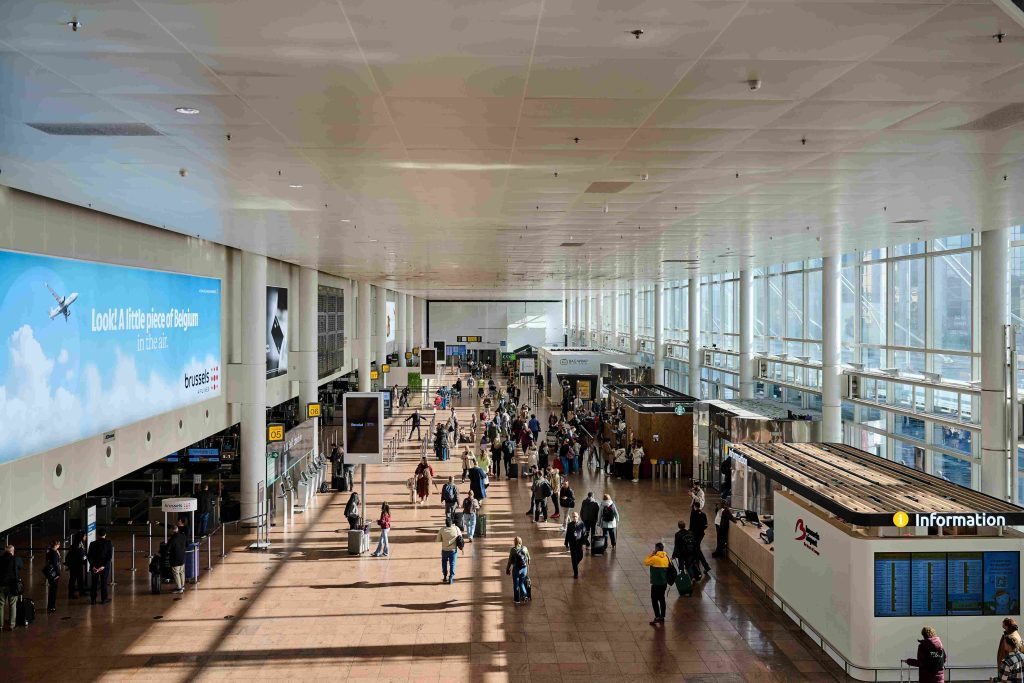
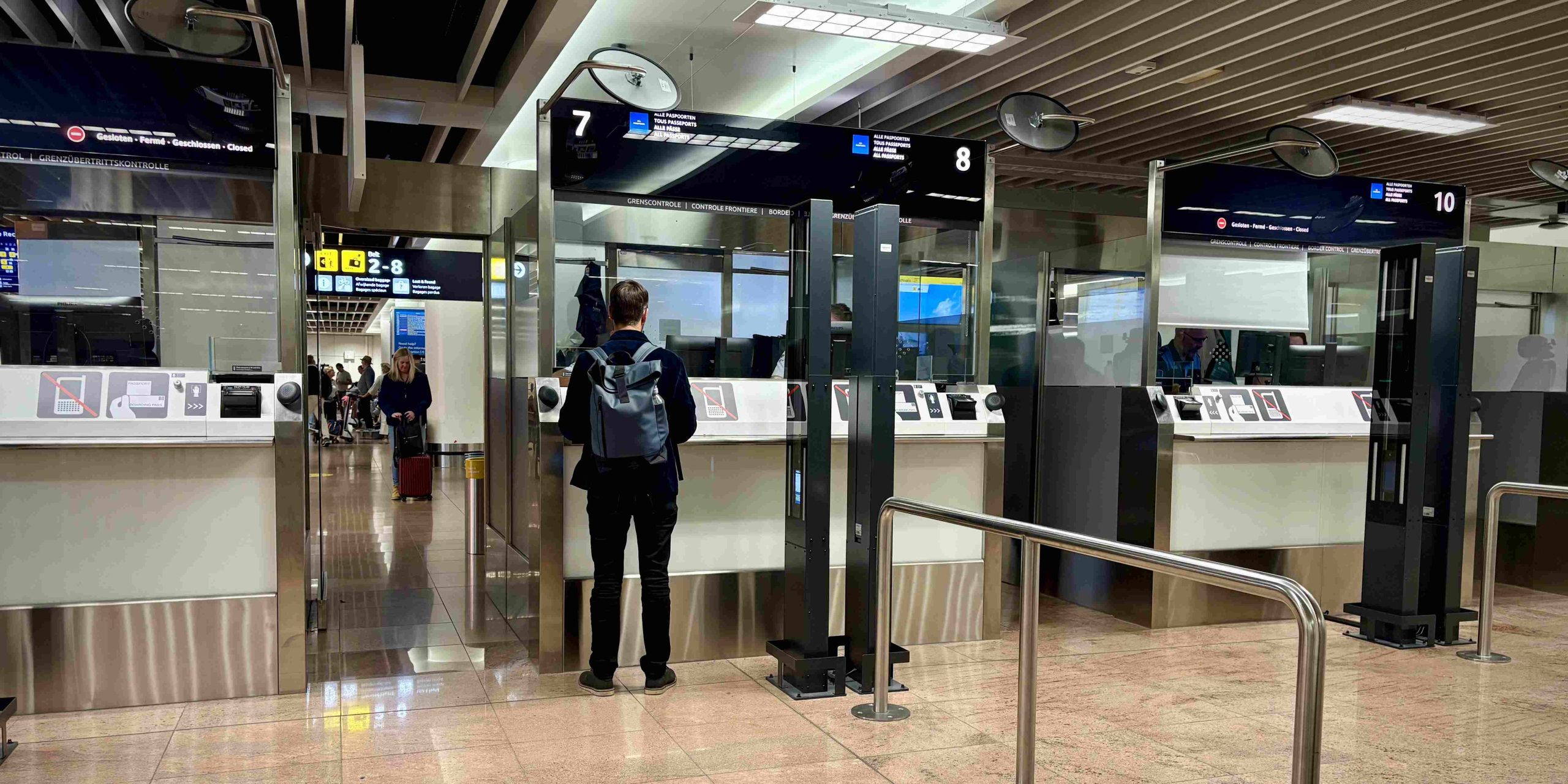
Airports are already feeling the strain. The letter says European airports reported long delays in September and afterwards, once the temporary suspension of biometric collection ended, with missed connections and passengers kept on board aircraft until terminal space freed up. Staffing, infrastructure, and equipment reliability are all cited as problems, while only two member states run a pre-registration app to speed up arrivals. Smaller regional and island airports, often a destination’s main gateway, are seen as especially vulnerable.
The knock-on effects reach well beyond border checks. The signatories point to reduced duty-free and travel retail income, poor provision for passengers with accessibility needs, and business delegates stuck in queues whose experiences are shared widely on social media. They also note that Thanksgiving, a peak time for US travellers to research and book, falls this week.
Responsibility is another sticking point. Ministries in charge of border control are not those overseeing airports, the letter says, so airport operators cannot fix what is ultimately a government matter. Even airports and countries that have invested in resilient systems, it adds, are frustrated by the wider reputational damage.
The timing adds urgency. From January 2027, stricter enforcement of biometric requirements is expected after an extended informal grace period. The authors consider it “naïve” to assume member states will find the extra staff and equipment quickly enough, with winter holiday travel only weeks away.
The alliance wants the suspension option renewed until a sufficient standard is reached across the whole Schengen zone, calling it “an urgent, pragmatic and necessary response.” For a continent hoping to reassure visitors before 2027, the question is whether Brussels will agree.