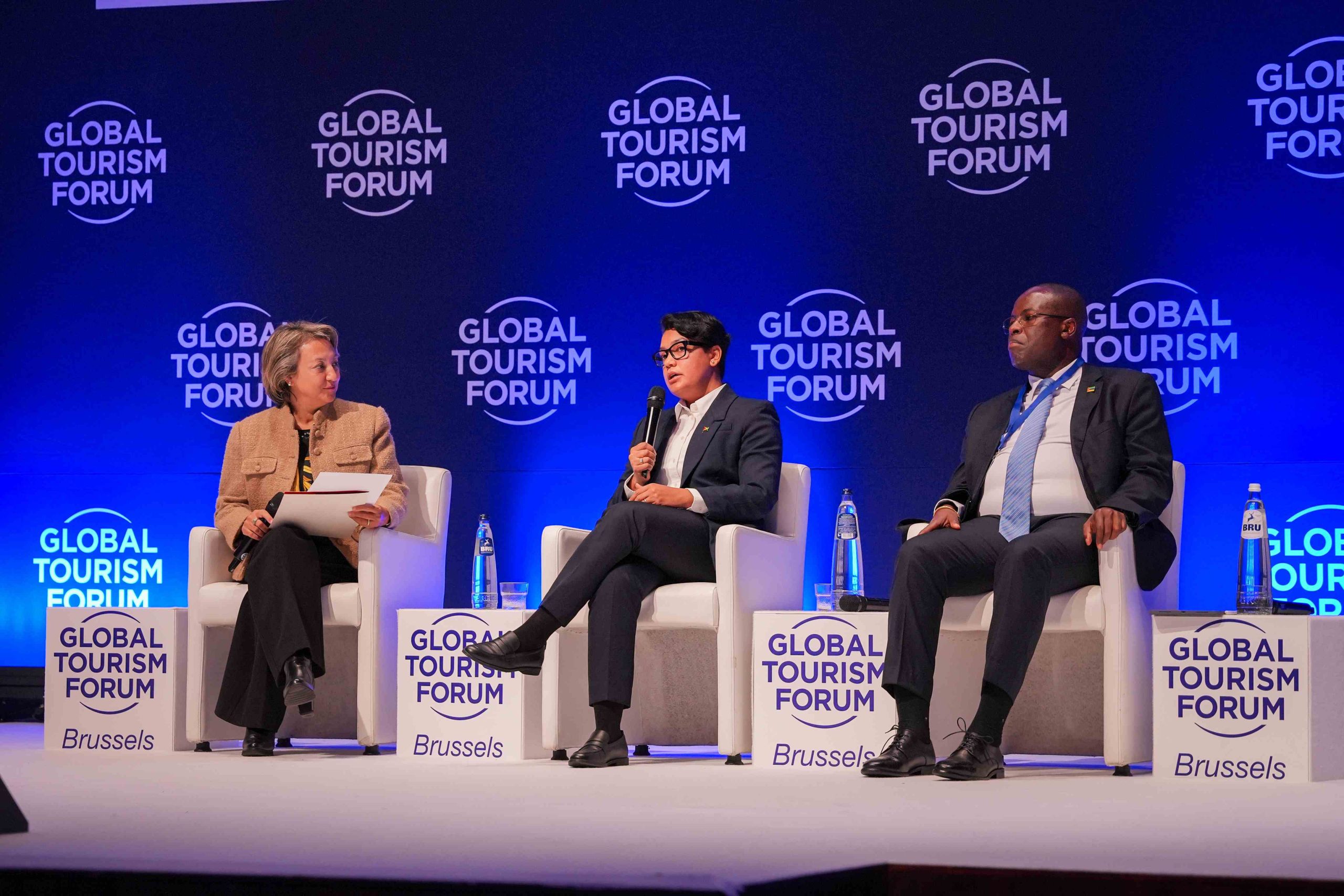

Guyana and Mozambique used the Global Tourism Forum Annual Meeting in Brussels on Monday to position tourism as a pillar of economic diversification, telling investors that stability, connectivity and community benefits will shape their growth.
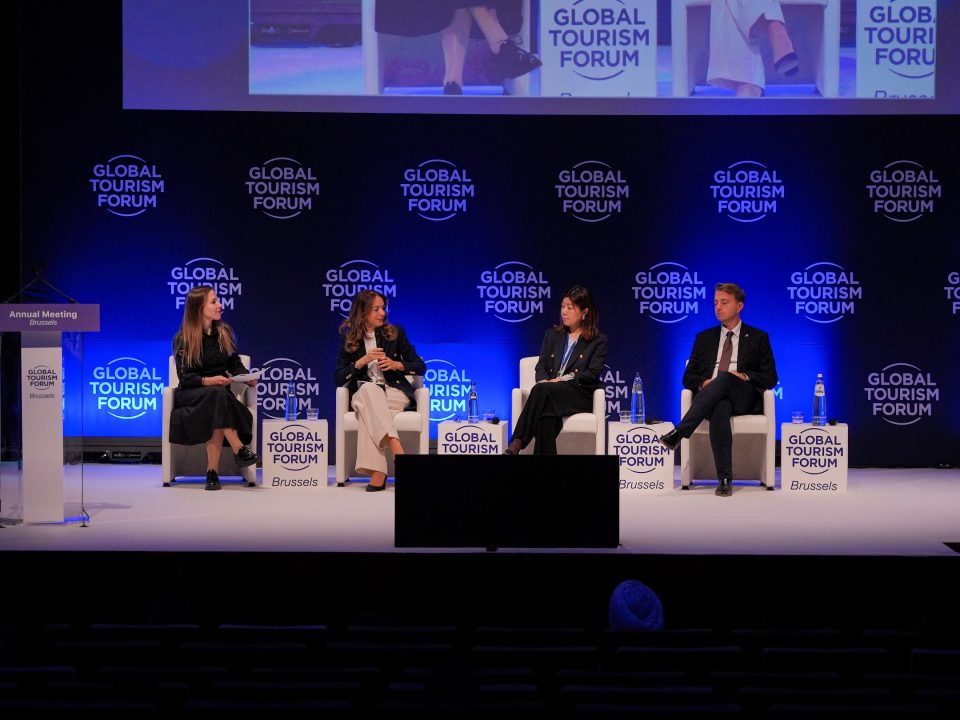
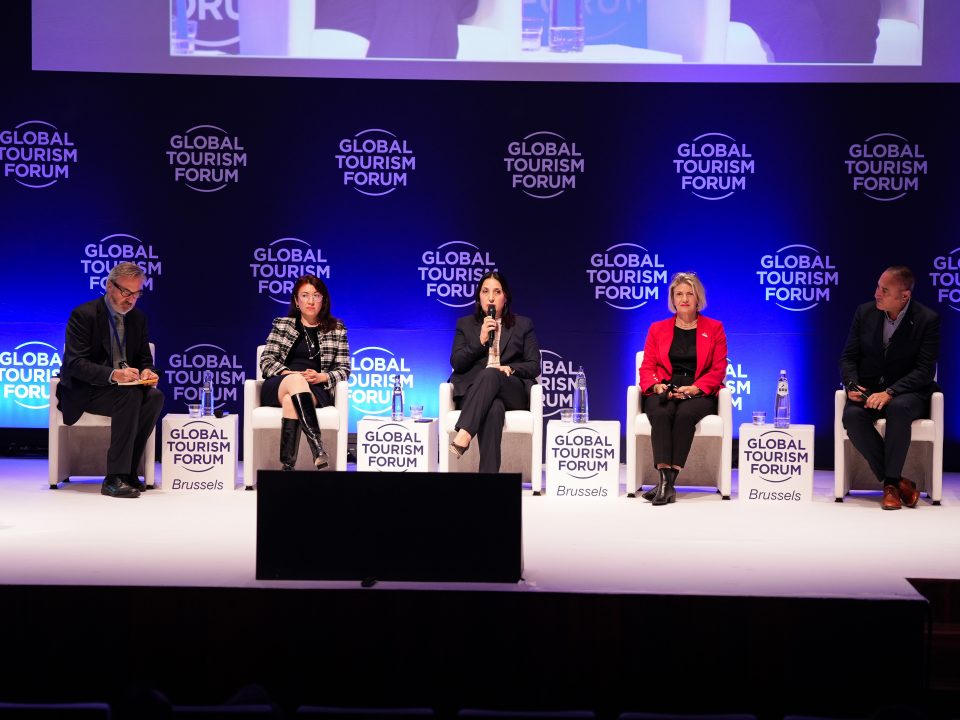
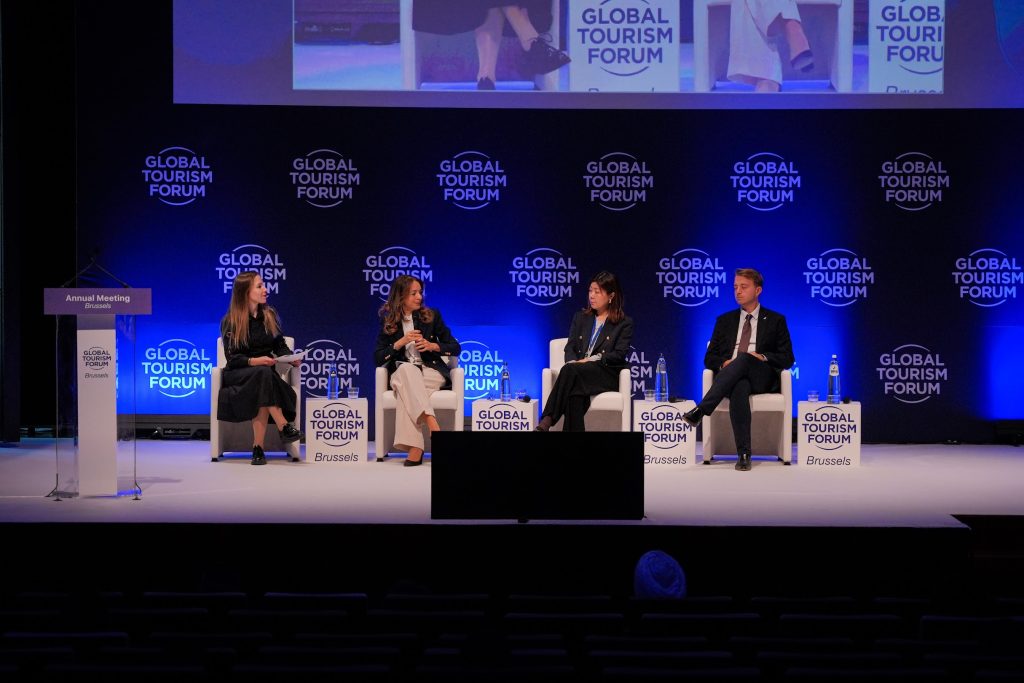
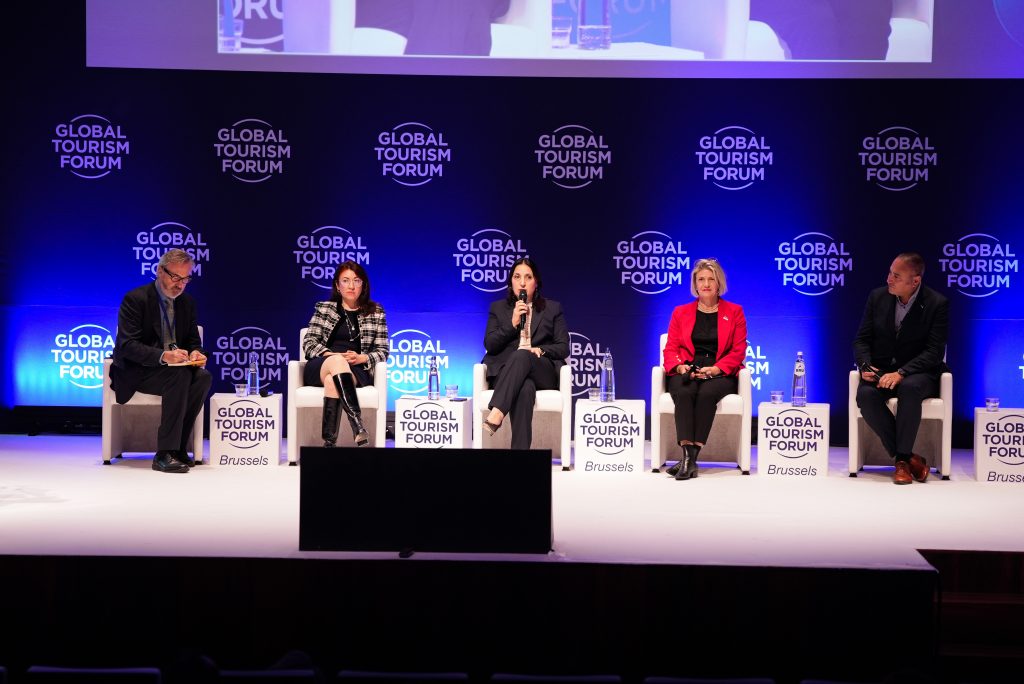
Speaking at the ministerial dialogue on Tourism Investment, Connectivity and Economic Transformation, moderated by Özgül Özkan Yavuz, Board Member of Turkish Airlines and former Deputy Minister of Culture and Tourism of Türkiye, Hon. Susan Rodrigues, Guyana’s Minister of Tourism, Industry and Commerce, called her country “the emerging destination” of South America.
Guyana welcomed 453,000 visitors in 2025, up 22% from 2024. Since oil production began in 2019, revenues have been reinvested in infrastructure, healthcare, education and connectivity, with tourism named a strategic pillar. “The world is noticing Guyana,” she said, pointing out that nine international-branded hotels and 12 new airlines have arrived in six years.
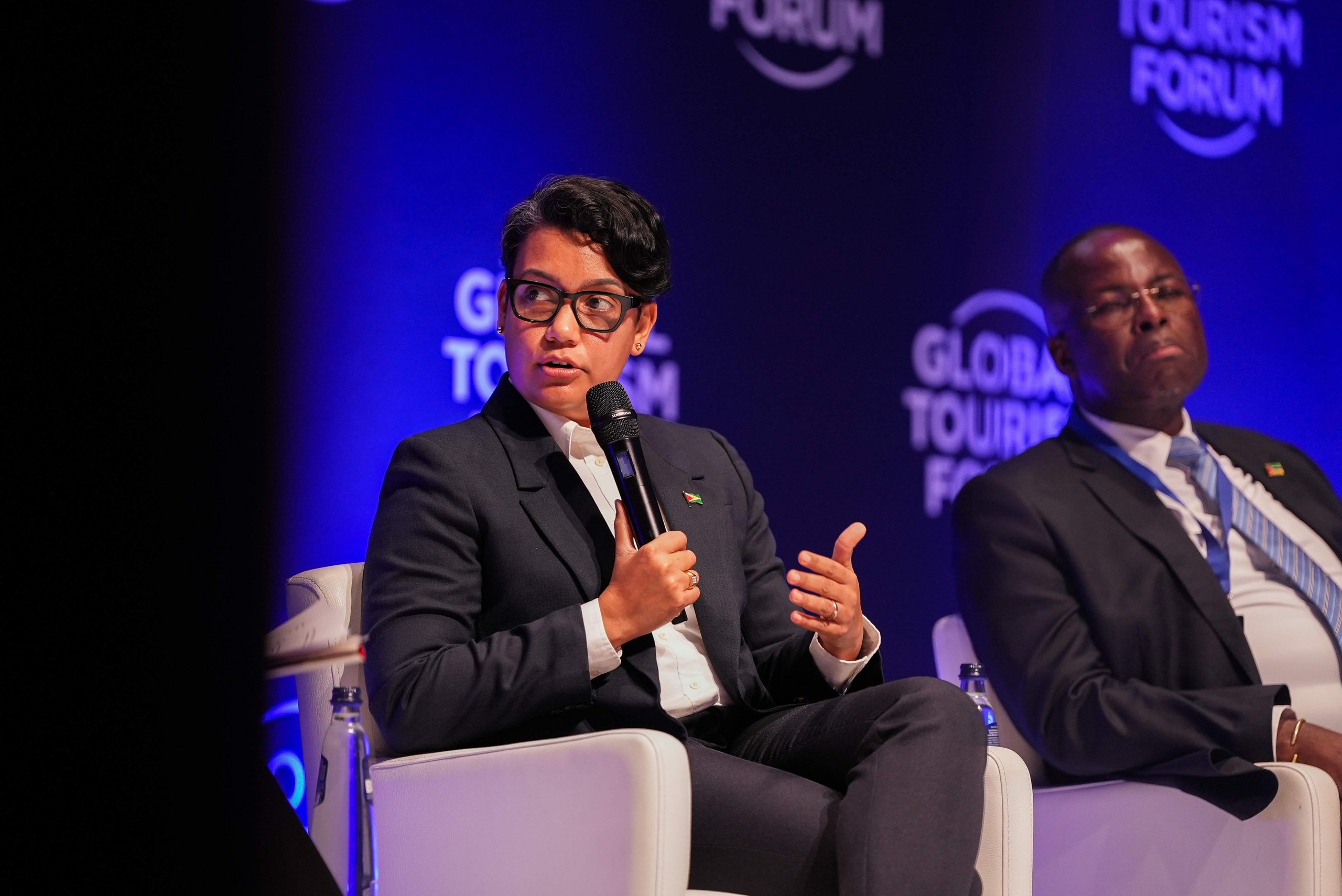
“We all face the same challenges of connectivity, whether it’s domestic connectivity or international connectivity,” Rodrigues acknowledged, adding that “the number one thing investors look for is stability”.
Growth, she insisted, must also reach local people. Indigenous communities run their own ecotourism experiences and benefit from the sale of carbon credits. Under a US$750 million contract with Hess Corporation, 15% goes directly to these villages, “which helps them with their sustainability plans”, Rodrigues explained. Echoing President Irfaan Ali, she said: “Guyana’s transformation will not come at the expense of our environment, and neither will it come at the expense of our identity.”
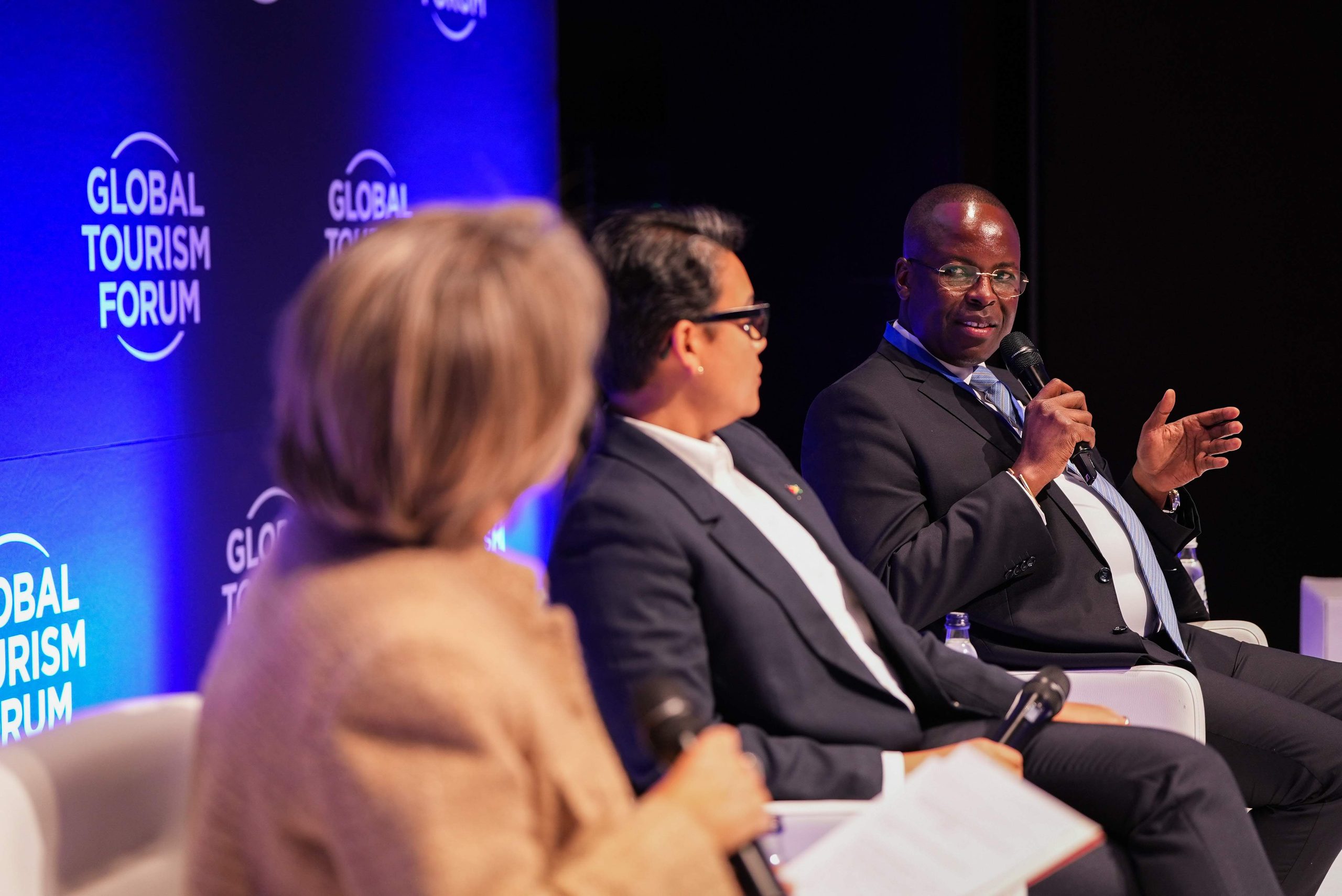
H.E. Fredson Victor Bravo Bacar, Mozambique’s Secretary of State for Tourism, outlined a similar shift. After years of selling mainly beach holidays, Mozambique is diversifying into conservation, culture, gastronomy and golf, backed by legal reforms and new tourism and golf zones in Inhambane province.
The second Mozambique Tourism Summit, which closed last Friday, packaged 20 projects for investors. With some 2,700 kilometres of coastline and more than a quarter of its land under conservation, the country hopes to lift tourism from under 5% of GDP to 8–10% within a decade.
“We need the investors. We need partnerships that work with us, work with our communities to create the products,” Bacar said, stressing that tourism cannot be developed without local people. His pitch was simple: “Mozambique is rich. Mozambique is open.”
Özkan Yavuz noted that tourism supports many other industries, creating jobs for young people and women.
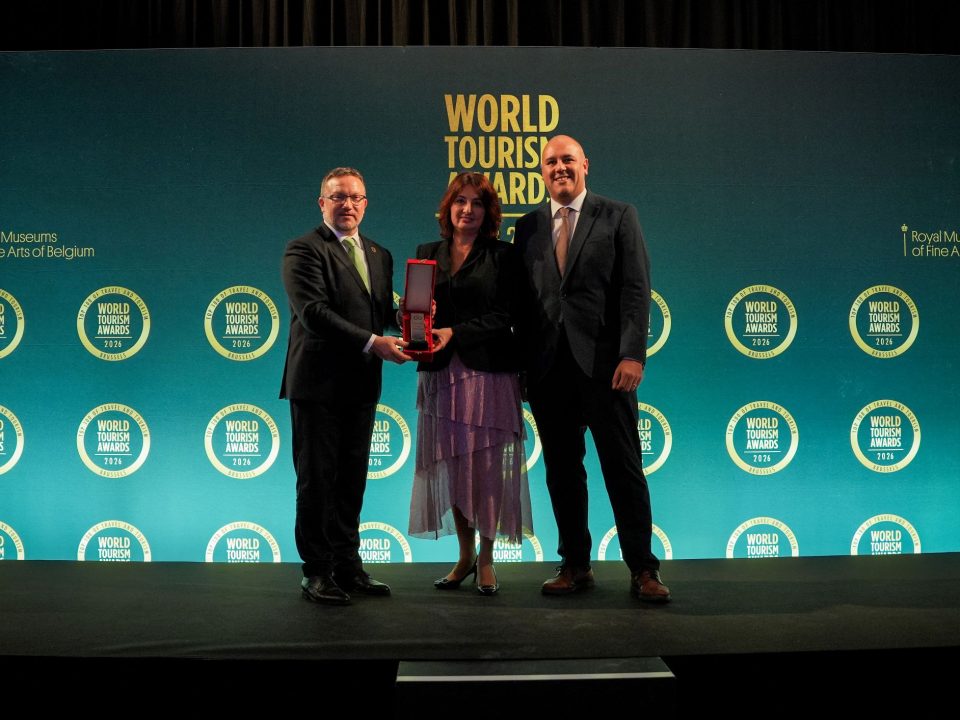
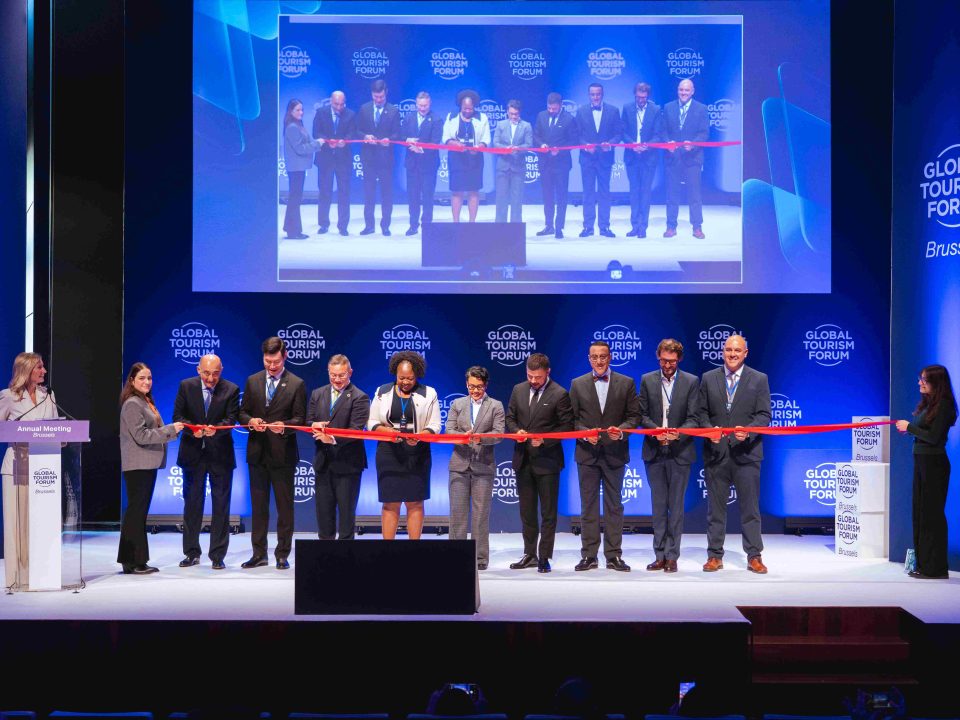
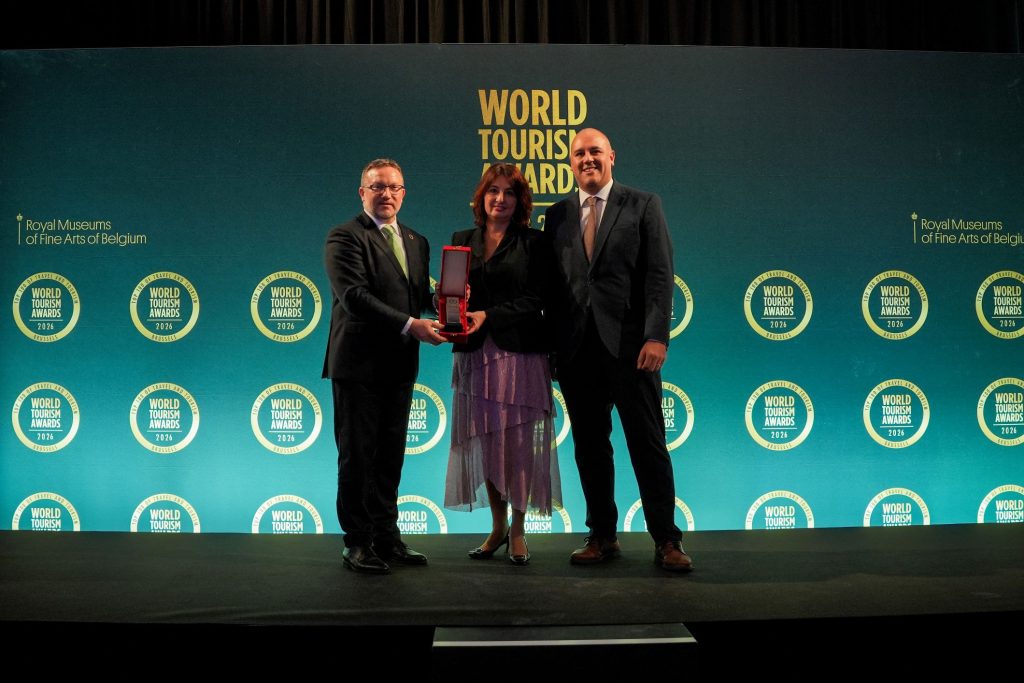
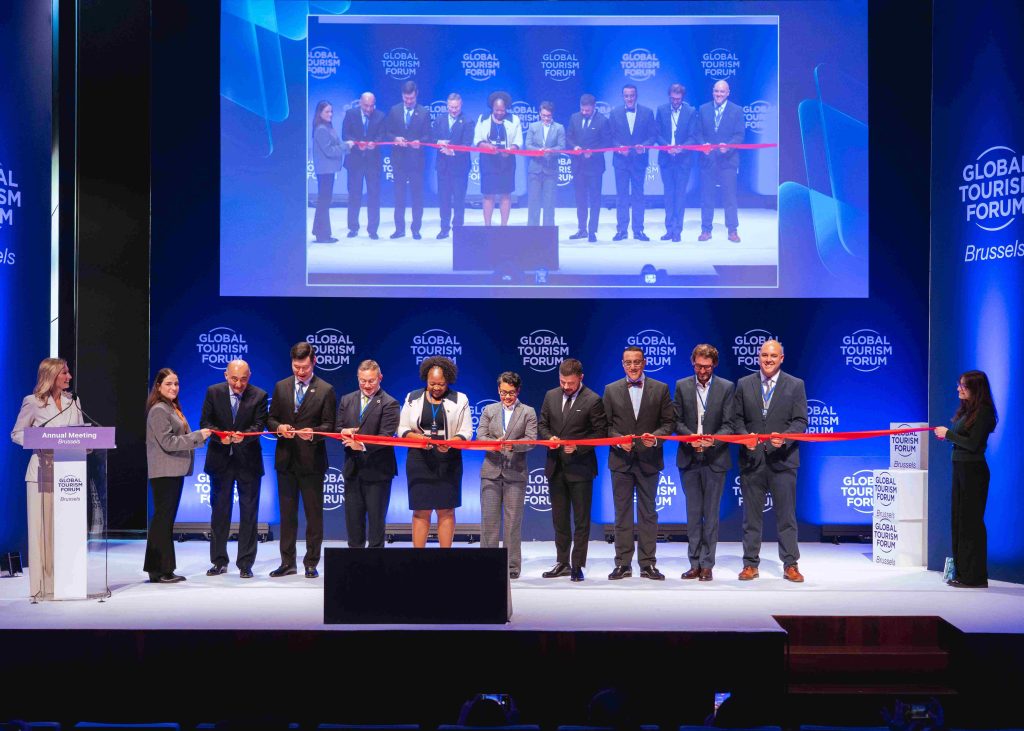
The panel closed the first day of the GTF Annual Meeting. Held at the Royal Museums of Fine Arts of Belgium under the theme Global Leadership and Investment, Monday’s programme explored capital flows, bankable projects, blended finance, AI and green investment, before the evening’s World Tourism Awards.
Today, 10 November, the focus turns to Security, Resilience and Trust. Sessions cover borders, cybersecurity, event and transport security, plus climate and health security. The forum closes this afternoon with the Brussels Agenda for Tourism Investment and Security.