


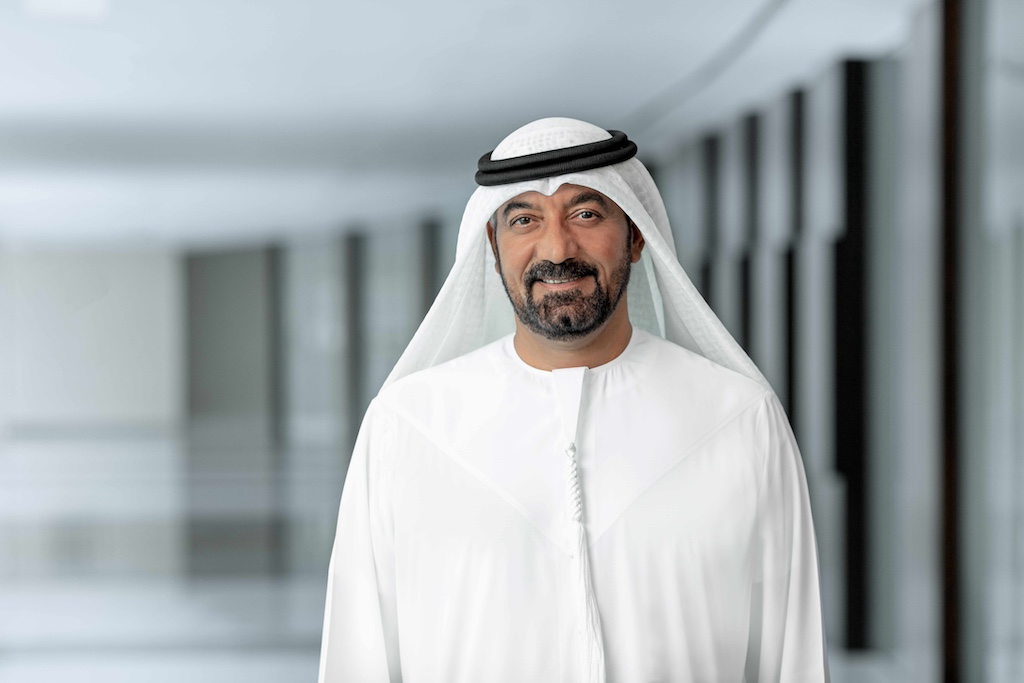
The chairman and chief executive of Emirates has called for a “clear resolution” to hostilities in the Middle East, as the aviation sector faces continued uncertainty linked to tensions involving the United States, Iran, and Israel.
The comments come amid ongoing economic and political instability, with the conflict affecting global air travel and raising concerns about potential aviation fuel shortages in the coming weeks.
Sheikh Ahmed bin Saeed Al Maktoum said the airline remains well prepared. “From a fuel perspective, Emirates is well-hedged until 2028-29,” he noted, adding that the company has secured the necessary supply to support current operations and a gradual return to pre-disruption levels.
He also pointed to the role of the wider Emirates Group, including its ground handling arm dnata. “Our business streams, scale, portfolio mix, and years of investments give us the resilience and agility to address any near-term challenges,” he said.
Disruption to air traffic in the Gulf region
Reflecting on the impact of the conflict, the Emirates chief said military activity earlier this year had significantly disrupted commercial aviation in the Gulf region. “On 28 February, military activity massively disrupted global commercial air traffic in the Gulf region, including in the UAE,” he said.
Emirates and dnata, he added, mobilised quickly to support passengers, protect assets and maintain operations.
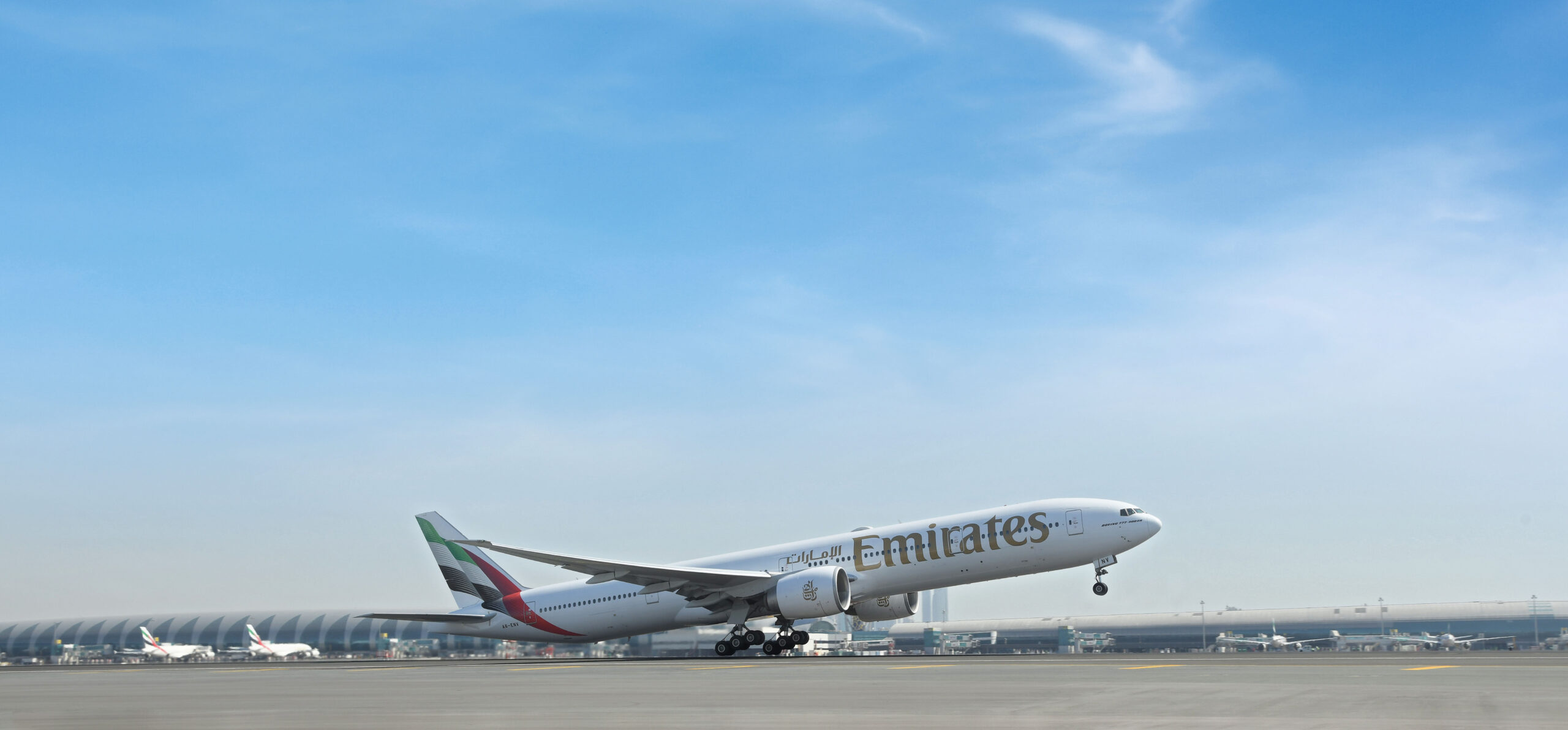
Flights have since gradually resumed at Dubai International Airport, although the airline is still operating below pre-disruption passenger capacity. Cargo operations have increased to support the movement of essential goods.
Dubai’s aviation infrastructure has played a key role in maintaining connectivity, with long-term investments and coordination between authorities enabling the rapid establishment of safe corridors for commercial flights.
Ceasefire in place as calls for resolution continue
Turning to the broader geopolitical context, Sheikh Ahmed noted that military activities are currently paused under a ceasefire agreement.
“We hope for a clear resolution to the hostilities soon, and a return to market stability,” he said, adding that the airline continues to adapt to the evolving situation.
The Emirates chief acknowledged that both the company and the wider aviation sector have faced “significant challenges”, but stressed that the group has experience navigating crises. “Each time, we placed our focus on our customers and our people, and each time, we have bounced back stronger,” he said.
Record financial results for the Emirates Group
The comments come as the airline released its 2025–26 annual report, showing record financial performance.
For the financial year ending 31 March 2026, the Emirates Group reported profit before tax of US$ 6.6 billion, up 7% year on year, and revenue of US$ 41.0 billion, an increase of 3%.
The results, Sheikh Ahmed said, “reaffirm the strength and resilience” of the group’s business model.
Looking ahead, Emirates enters the 2026–27 financial year with strong cash reserves, allowing continued investment in aircraft deliveries, retrofit programs, and new facilities.
Confidence in Dubai’s position as a global aviation hub also remains strong, with its role described as being “at the nexus of global commerce, trade and travel flows”.