


A new proposal on customs processes by the United States Department Homeland Security has drawn widespread incredulity due to the “devastating effect” insiders say it would have on airline operations and the travel sector.
The Homeland Security Department Secretary Markwayne Mullin said on 28 May that the Trump administration might withdraw customs operations for international arrivals and cargo from certain States and cities.
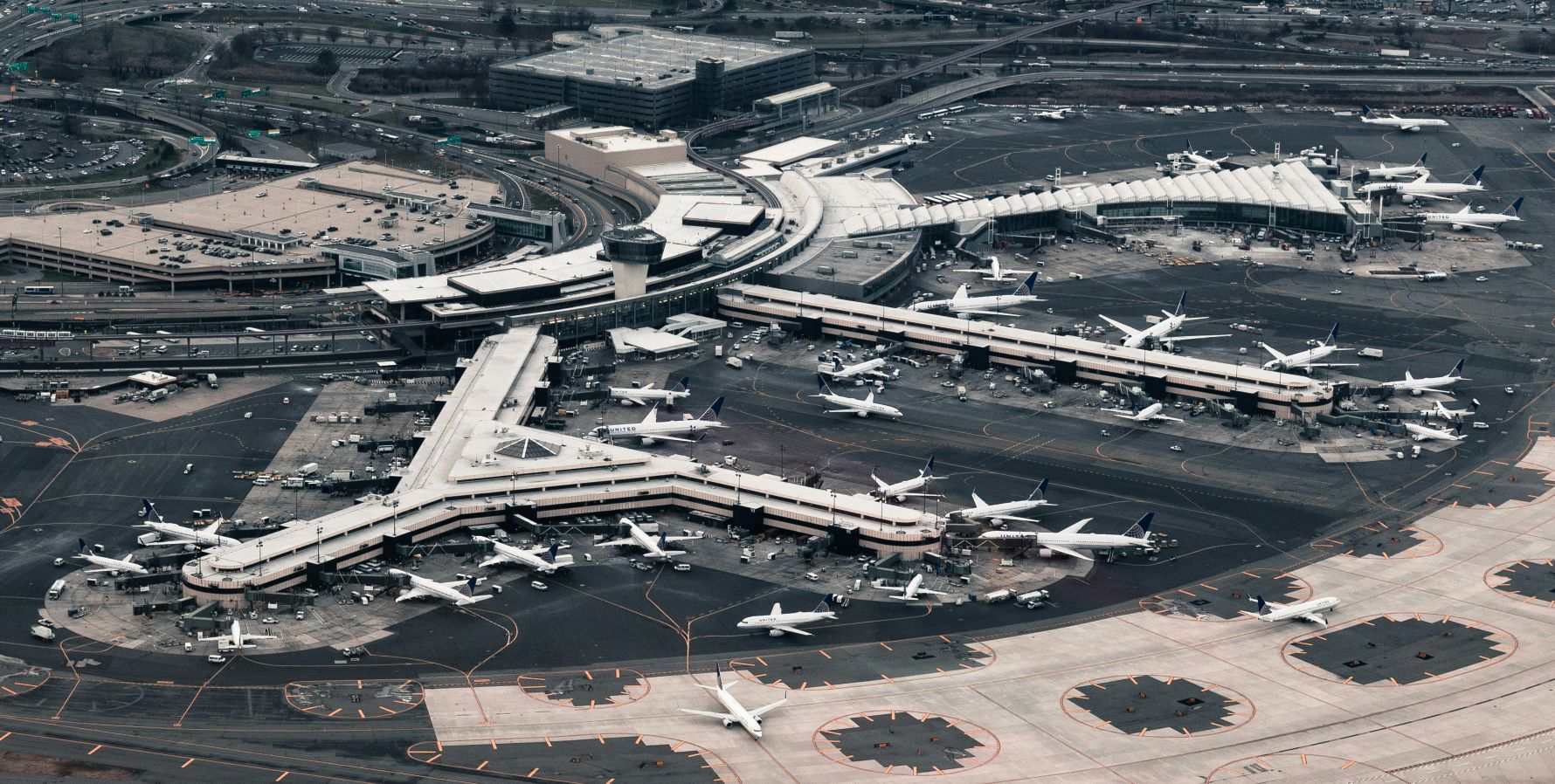
The targeted destinations are so-called “sanctuary cities,” like Newark, New Jersey, where significant numbers of people do not support federal immigration policies and where recent protests against Immigration and Customs Enforcement (ICE) agents have occurred. The federal customs capacity would shift away from these protest locations to more Republican-leaning destinations, Mullin threatened.
🚨 NOW: Anti-ICE rioters are now FULLY KETTLED between TWO WALLS of concrete and two walls of police here in Newark
— Nick Sortor (@nicksortor) June 1, 2026
A MASS ARREST bus has just rolled up.
And has prepared to take rioters into custody.
There is literally NO ESCAPE for them out here! 🔥 pic.twitter.com/NrnuIfhqfz
The US Travel Association immediately hit back, saying that even if Newark alone were affected, $8 billion annually in tourist spending could be wiped from US coffers. Boston, Chicago, Denver, Los Angeles, Philadelphia, San Francisco, and Seattle have also seen anti-ICE movements, and could similarly see a reduction in their immigration processing capacity.
Industry experts, stakeholders, and airlines have responded with concern to the idea in a joint statement. The weaponizing of customs capacity “threatens to cause unnecessary chaos throughout the nation’s air transportation system,” said Airlines for America, the US Chamber of Commerce, the National Retail Federation, and US Travel.
“International aviation networks are highly interconnected, and operational changes at a small number of gateway airports will quickly ripple across the country, negatively impacting travelers, cargo shipments, supply chains, and the communities that depend on those connections,” they said, warning that the decision could “have a devastating effect on the airline and tourism industries.”
Reporting on the issue, Business Insider drew on the example of just one daily incoming flight, American Airlines “Flight 101” from London Heathrow to New York’s JFK. If there were insufficient customs capacity at JFK, the flight might have to divert to one of American Airlines’ other hubs, such as Dallas Fort Worth, if there were room in the schedule to insert it, and staff to service the plane at the new “non-sanctuary” city’s facilities.
Cargo would need handling and re-routing; passengers would need to find onward connections to their expected destination. And it remains unclear where the burden of costs would fall, with new slots at different airports to be paid for, changes to staffing patterns, and changes to passenger journeys all to be considered.
With international operations at 18 sanctuary city airports at risk, and the journeys of 68 million international passengers per year on the line, the US Travel Association estimated the US economy as a whole could lose around $70 billion.
The group also noted that it would be American citizens attempting to travel back home who would be most severely affected, if airlines began cutting flights to major hubs. “American travelers from across the U.S. could find their flights into the U.S. diverted or canceled,” the association said.
It also underscored the potential impact on events, such as the FIFA World Cup, which the beleaguered US hospitality sector has been relying on for a boost amid an ongoing “Trump Slump” in US inbound travel.
“Millions of international visitors will face the same disruption, and with the FIFA World Cup weeks away, the damage to America’s reputation as a welcoming destination would be significant and lasting,” the group warned.