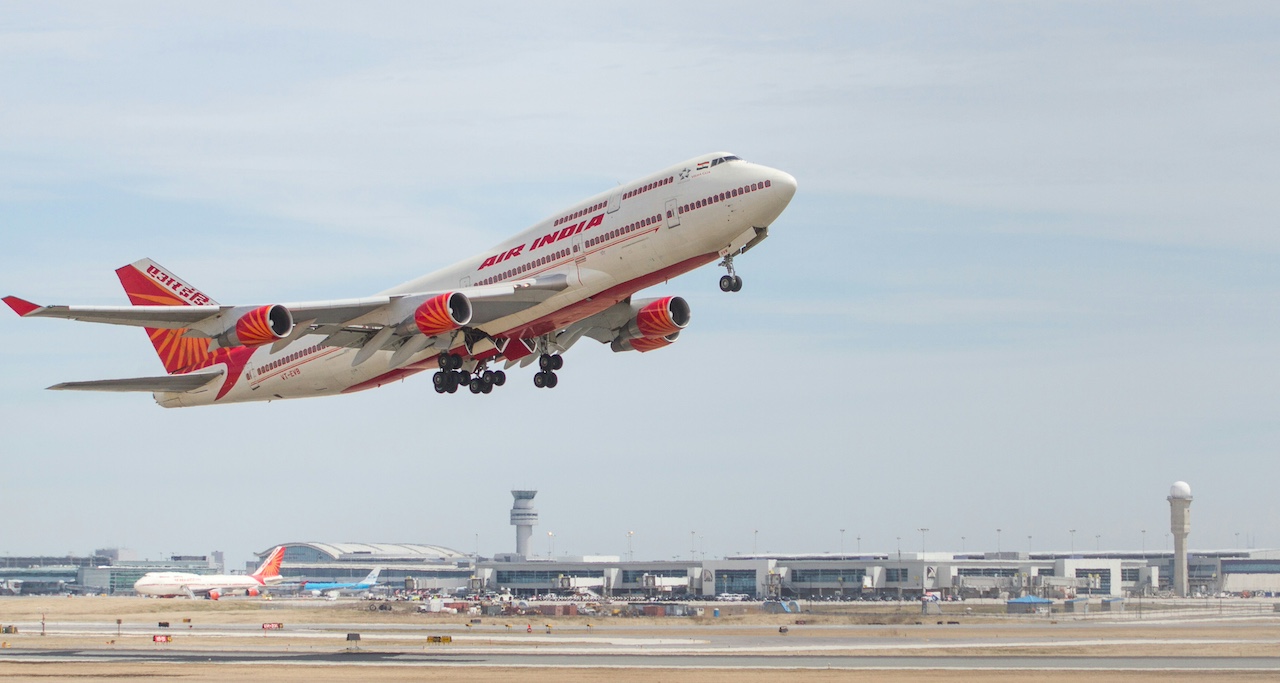



Air India has become the latest carrier to announce a temporary rationalisation of part of its international network between June and August 2026, as tensions in the Middle East continue to ripple through the global aviation industry, affecting thousands of travellers ahead of the summer season.
The airline said the decision was driven by a combination of operational and economic pressures, including airspace restrictions and record-high jet fuel prices. Air India has also been forced into longer and more expensive routings after being banned from Pakistani airspace following last year’s military escalation between the two nuclear powers.
“The adjustments have been made in response to a combination of factors, including continued airspace restrictions over certain regions and record-high jet fuel prices for international operations, which significantly impact the commercial viability of certain planned services,” the airline said in a statement.
The dual impact of Pakistani airspace restrictions — introduced after Islamabad barred Indian carriers from using its airspace last year amid heightened military tensions — and the ongoing Middle East crisis has added to the financial pressure on the Indian carrier, which is already grappling with persistent losses, rising operating costs and increased regulatory scrutiny.
Regionally, Air India is cutting the largest number of flights to and from East Asia, followed by North America, Europe, and Australia. Seven international routes have been temporarily suspended, while frequencies on a number of others have been reduced.
The suspended services include Delhi-Newark, Delhi-Chicago, Delhi-Shanghai, Delhi-Malé, Mumbai-New York (JFK), Mumbai-Dhaka, and Chennai-Singapore. Meanwhile, the Delhi-Paris, Delhi-Milan, and Delhi-Rome routes will operate with reduced frequencies
The airline has announced further reductions, including cuts to services to destinations such as Toronto, Vancouver, Melbourne and Sydney, as it attempts to stabilise operations amid mounting disruption.
The airline said the suspended and reduced services would resume “when circumstances allow” and stressed that it would still operate more than 1,200 international flights per month.
#ImportantUpdate
— Air India (@airindia) May 15, 2026
We are making temporary adjustments to select international services between June and August 2026, necessitated by continued airspace restrictions over certain regions and record high jet fuel prices for international operations.
Despite these changes, Air…
It warned, however, that further adjustments remained possible depending on the regional situation.
The revised schedule, according to Air India, is aimed at improving “network stability” and reducing “last-minute inconvenience to passengers”. The airline added that it would “proactively” assist affected customers through alternative flight options, complimentary date changes, or full refunds.
Air India is 25% owned by Singapore Airlines and 75% by Tata Sons. The airline’s outgoing CEO, Campbell Wilson, resigned in April. According to reports in the Indian media, Singapore Airlines executive Vinod Kannan and Air India’s head of commercial operations, Nipun Aggarwal, are among those being considered to succeed him.
The crisis in the Middle East has continued to send shockwaves through global aviation since the conflict escalated at the end of February. More than two million seats were removed from global schedules in May alone as airlines cut flights amid an intensifying jet fuel crisis. A further 9.3 million seats have been cut between June and September.
The impact has been particularly severe for Middle Eastern carriers and airlines that rely heavily on connections to Asia and Europe, as jet fuel prices have surged during the conflict. Airlines, including Lufthansa, British Airways, KLM, and Turkish Airlines, have all reduced capacity in recent weeks. Lufthansa announced in April that it would cut 20,000 flights between May and October, while airlines operating to and from the United Kingdom removed more than 30,000 seats from their schedules for May and June.
As the Times of India noted, the practical effect of these cuts is likely to be even higher fares on already constrained routes, particularly as major Gulf carriers are themselves operating on reduced capacity.