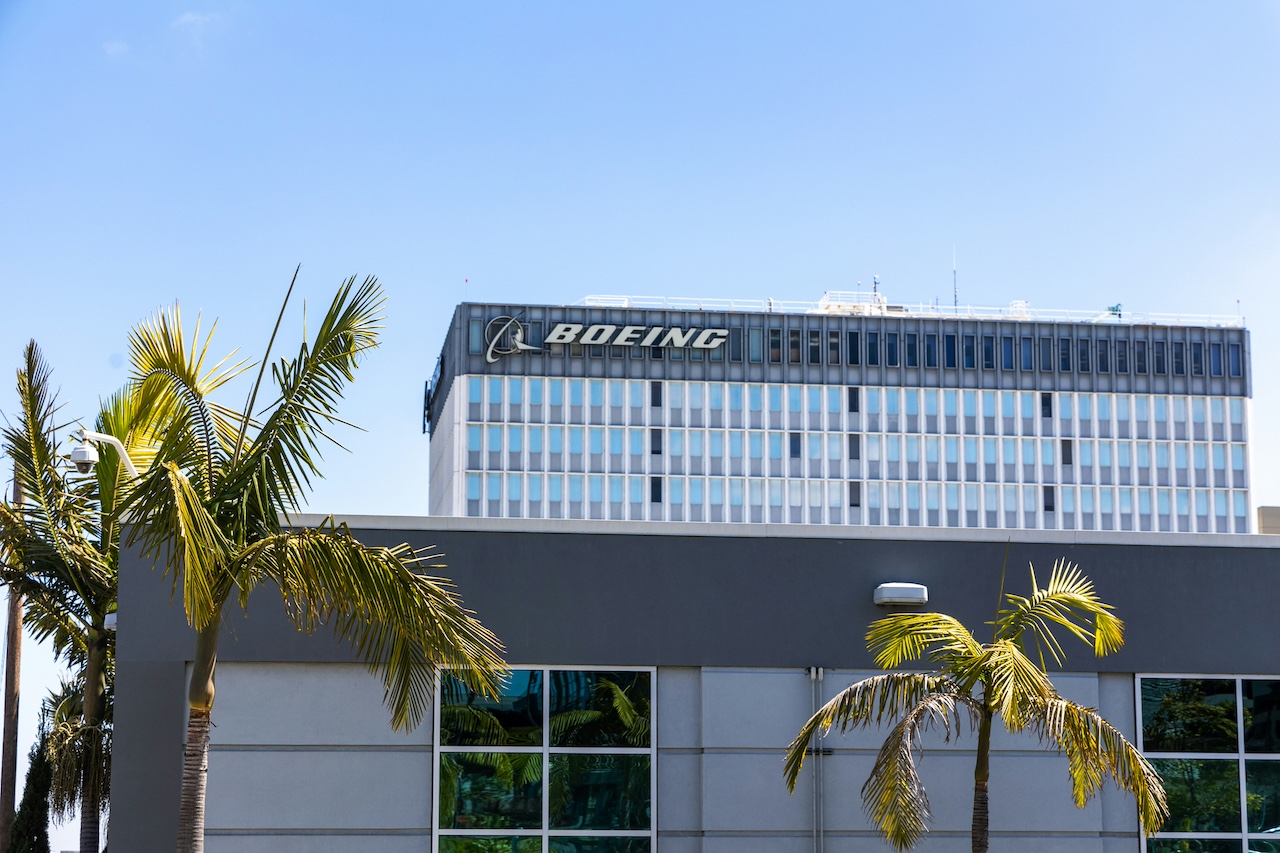

Boeing shares fell by more than 4% after Donald Trump announced that China had agreed to purchase 200 Boeing aircraft, less than half of what the market had anticipated.
The announcement was made during the US President’s visit to China last week, a trip which was characterised by a strong commercial focus. Trump travelled with the heads of several major American corporations, including Boeing’s CEO, Kelly Ortberg.
Details of the agreement were still unavailable at the time of writing. The types of aircraft and the delivery timeline remain unspecified, although Boeing confirmed the commitment to supply 200 planes a day after Trump appeared on Fox News’ Hannity, where he declared: “One thing he agreed to today, he’s going to order 200 jets.”
🇺🇸Trump: "One thing Xi Jinping agreed that he's ordering 200 jets. Boeing wanted 150, and he got 200."
— InfoGram (@_InfoGram_) May 15, 2026
Fact check: Boeing shares dropped 4% after Trump announced China would buy 200 jets well below the 500 plane deal expected before the meeting.
This man lies at every step 😭 pic.twitter.com/NEgFtSbnOW
The following trading day, Boeing shares fell by 4.1%, wiping out gains accumulated after reports first emerged that Ortberg would join the trip.
Boeing has since thanked the Trump administration, saluting him for achieving its “major goal of reopening the Chinese market”.
Prior to the summit, discussions had reportedly centred around a much larger package that could have included up to 500 Boeing 737 MAX aircraft and a smaller number of widebody jets, according to sources familiar with the negotiations. Speaking aboard Air Force One afterwards, Trump claimed that a promise had been made to deliver up to 750 more planes if the initial order of 200 was fulfilled to satisfaction.
Analysts had expected the summit to produce a landmark aviation agreement comparable to the $37 billion, 300-plane deal announced during Trump’s first state visit to China in 2017.
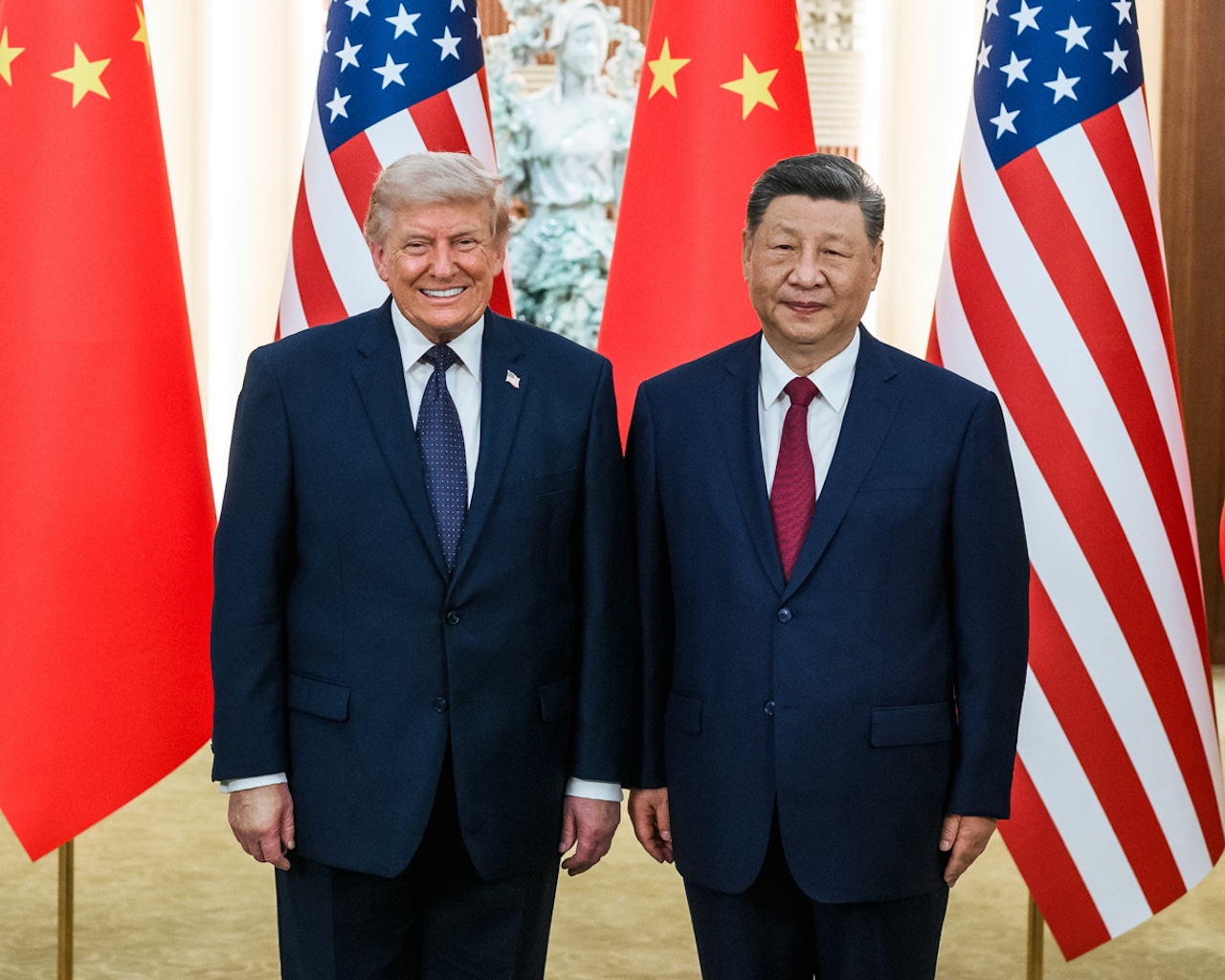
The Boeing deal also unfolded against the backdrop of ongoing trade tensions between Washington and Beijing. Last October, Trump suspended tariffs of up to 100% on Chinese goods after an escalating confrontation in which Beijing threatened to restrict exports of rare earths, which are critical for sectors including electronics and aerospace. Still, Trump left Beijing without securing a rare earth agreement.
Boeing’s position in China has weakened considerably over the past decade. Orders for Boeing aircraft from China have fallen to historic lows, with only 51 reportedly ordered over the past seven years. Sales declined sharply after 2015 amid geopolitical tensions, trade disputes, and concerns relating to the grounding of the 737 MAX.
The stakes remain high because China is the world’s second-largest aviation market. Boeing forecasts that the country will require over 9,000 new jetliners by 2045 to meet growing demand for travel.
Aviation advisory firm IBA has estimated that the value of the 200-aircraft order would be $17–19 billion if most of the jets were MAX narrow-body aircraft, rising to $25 billion if around 40% of the order were wide-body aircraft.
Competition with Airbus in China remains fierce. Beijing is simultaneously discussing a similarly sized deal with Airbus, which has increased its presence in the country through its Tianjin A320 assembly line. Analysts note that Chinese aircraft orders are often closely tied to diplomatic negotiations and do not always immediately result in firm delivery commitments.
Nevertheless, Airbus has pulled far ahead of Boeing in China in recent years. One factor still weighing on Boeing is concern over possible future US export restrictions. Without guaranteed long-term maintenance and after-sales support, Chinese carriers remain reluctant to rely too heavily on American aircraft. Meanwhile, the European Union is reassessing aspects of its own trade relationship with China, a process that could eventually complicate Airbus’s strong position there as well.