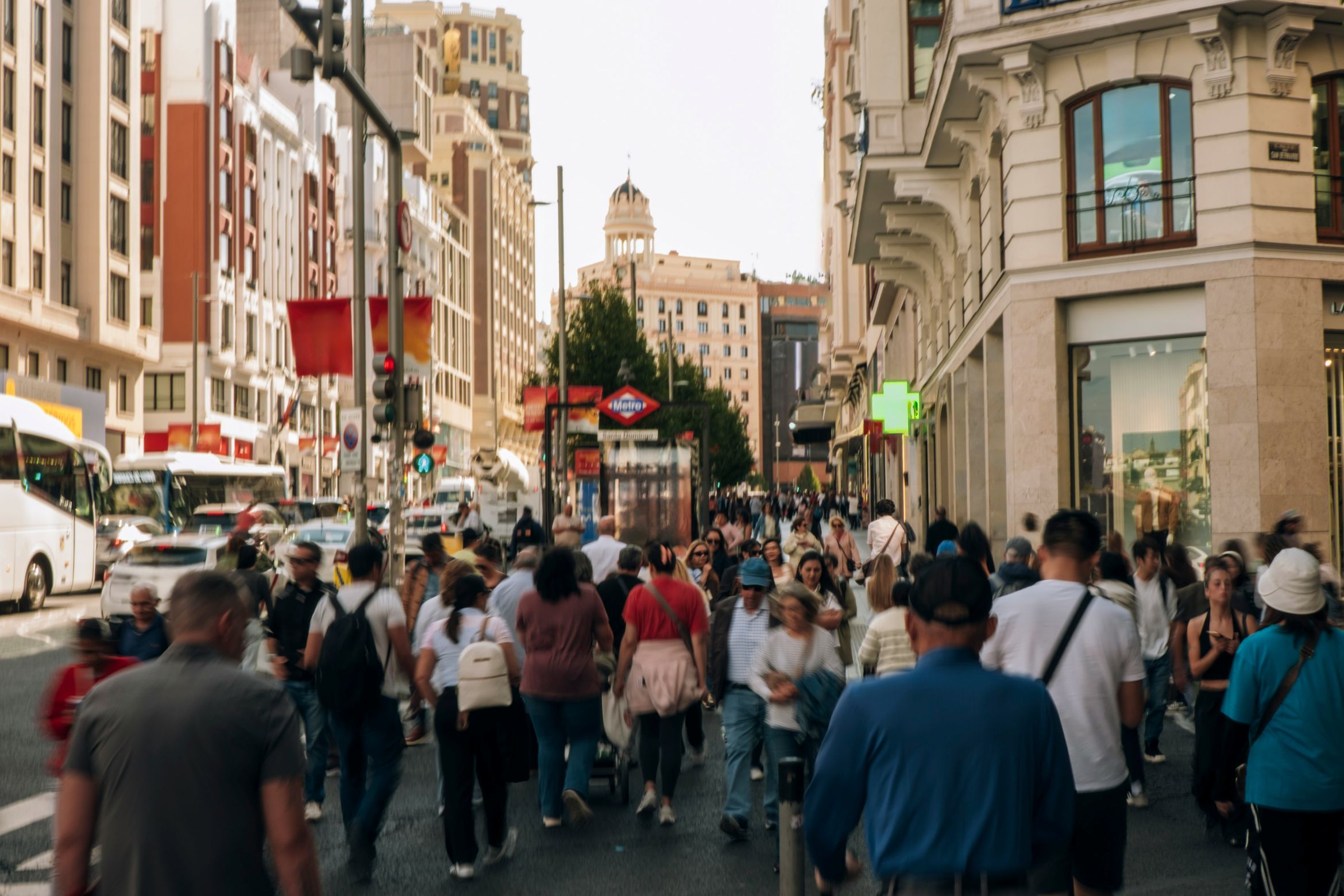



Spain is on course to welcome around 100 million international tourists in 2026, a milestone that would make it one of the few countries in the world to reach that figure in a single year. According to Tourism Minister Jordi Hereu, the country is likely to surpass last year’s record of 96.8 million foreign visitors if current trends continue. The forecast highlights Spain’s continued appeal as one of the world’s leading travel destinations, second only to France in terms of international arrivals.
The outlook for the peak summer season remains particularly strong. Spanish authorities expect around 43 million international visitors between June and September, a 6% increase compared with the same period last year. Tourism is also expected to generate around €64 billion for the economy during those four months, up 10% year-on-year. The sector remains one of Spain’s main economic pillars, contributing around 13% of the country’s economy and supporting millions of jobs.
Las previsiones de turismo internacional para este verano reafirman que las políticas del @minturgob van en la dirección correcta:
— Jordi Hereu (@jordihereub) July 6, 2026
👉Se prevé que el gasto de los visitantes crezca con más intensidad en destinos tradicionalmente menos turísticos
✅Hacia un modelo más sostenible https://t.co/GOFD0xlzUG
Part of this year’s growth has been linked to changing travel patterns. Ongoing geopolitical tensions in the Middle East have prompted some travellers to choose destinations perceived as more stable, benefiting countries across Southern Europe, including Spain. “Three months ago, we thought the conflict in the Middle East could slow tourist arrivals, but the data shows remarkable resilience despite the circumstances,” said Tourism Minister Jordi Hereu.
Another factor attracting visitors this summer is the total solar eclipse that will take place in August. The rare event will be visible across large parts of northern and inland Spain, drawing astronomy enthusiasts and travellers hoping to experience the eclipse under favourable viewing conditions. According to the tourism minister, many rural accommodations in these regions are already fully booked because of the event. The increased interest is also bringing visitors to destinations that are less familiar to international tourists, helping spread tourism beyond the country’s busiest coastal resorts.
Rather than focusing solely on increasing visitor numbers, the Spanish government is using the expected record year to promote a different tourism model. Authorities want to encourage travellers to discover inland regions, cultural destinations and nature areas while also extending tourism beyond the traditional summer season. The strategy aims to reduce pressure on the country’s most visited coastal areas and distribute the economic benefits of tourism more evenly across Spain. “We favour what I call calm growth, in other words, growth that can be easily managed,” Hereu said.
The government has been promoting lesser-known destinations through campaigns that highlight Spain’s historic towns, gastronomy, national parks and rural landscapes instead of focusing only on beaches. Officials say travellers are increasingly looking for experiences that combine relaxation with culture, local food and outdoor activities. At the same time, more people are travelling during the spring and autumn, helping to extend the tourism season. That shift gives businesses a longer operating period and provides more stable employment for workers in the tourism sector.
📈 El turismo internacional sigue siendo un pilar de nuestra economía.
— Ministerio de Industria y Turismo (@minturgob) July 2, 2026
En mayo, España recibió 10,3 M de turistas internacionales (+9,5%), que realizaron un gasto de más de 13.500 M de euros, un 10,9% más que en el mismo mes del año anterior.
ℹ️https://t.co/rHYcaFzbZi pic.twitter.com/mZCmVYavHm
The move towards a more balanced tourism model also comes as Spain continues to face criticism over overtourism. In recent years, demonstrations have taken place in cities including Barcelona, where residents have protested against rising housing costs, overcrowding and the growing number of short-term holiday rentals. Several Spanish cities and regions have responded by tightening regulations on tourist accommodation and limiting new holiday rental licences. According to Hereu, managing tourism more carefully is essential as visitor numbers continue to grow, arguing that “the old formulas no longer work.”
With international demand remaining strong and new attractions such as the August eclipse drawing visitors beyond the country’s traditional beach destinations, Spain appears set for another record-breaking year. At the same time, authorities hope the milestone of 100 million visitors will also mark a turning point in how tourism is managed. By encouraging travellers to explore different regions and visit throughout the year, the government aims to ensure that future growth benefits both visitors and local communities alike.