


The World Travel & Tourism Council (WTTC) has launched a new global campaign to identify the 7 Contemporary Wonders of the World. For the first time, people around the world are invited to nominate landmarks and buildings that have helped shape modern tourism. The initiative focuses on places built since 1801 that continue to attract visitors and influence destinations today. According to WTTC, the campaign aims to recognise sites that have made a lasting contribution to tourism, local communities and economic development.
The World Travel & Tourism Council (@WTTC) today launches the search for the 7 Contemporary Wonders of the World 🌍
— WTTC (@WTTC) July 7, 2026
The greatest landmarks, buildings and destinations built since 1801 — chosen, for the first time in history, by everyone.
The age of wonder never ended. We… pic.twitter.com/hcCIVv4N1g
The organisation says the new list will look beyond architectural beauty alone. It wants to highlight landmarks that have transformed destinations by attracting visitors, creating jobs and encouraging investment. WTTC also hopes to show how tourism infrastructure can support long-term economic growth. Both world-famous attractions and lesser-known landmarks are eligible, provided they have had a meaningful impact on their communities and the tourism sector.
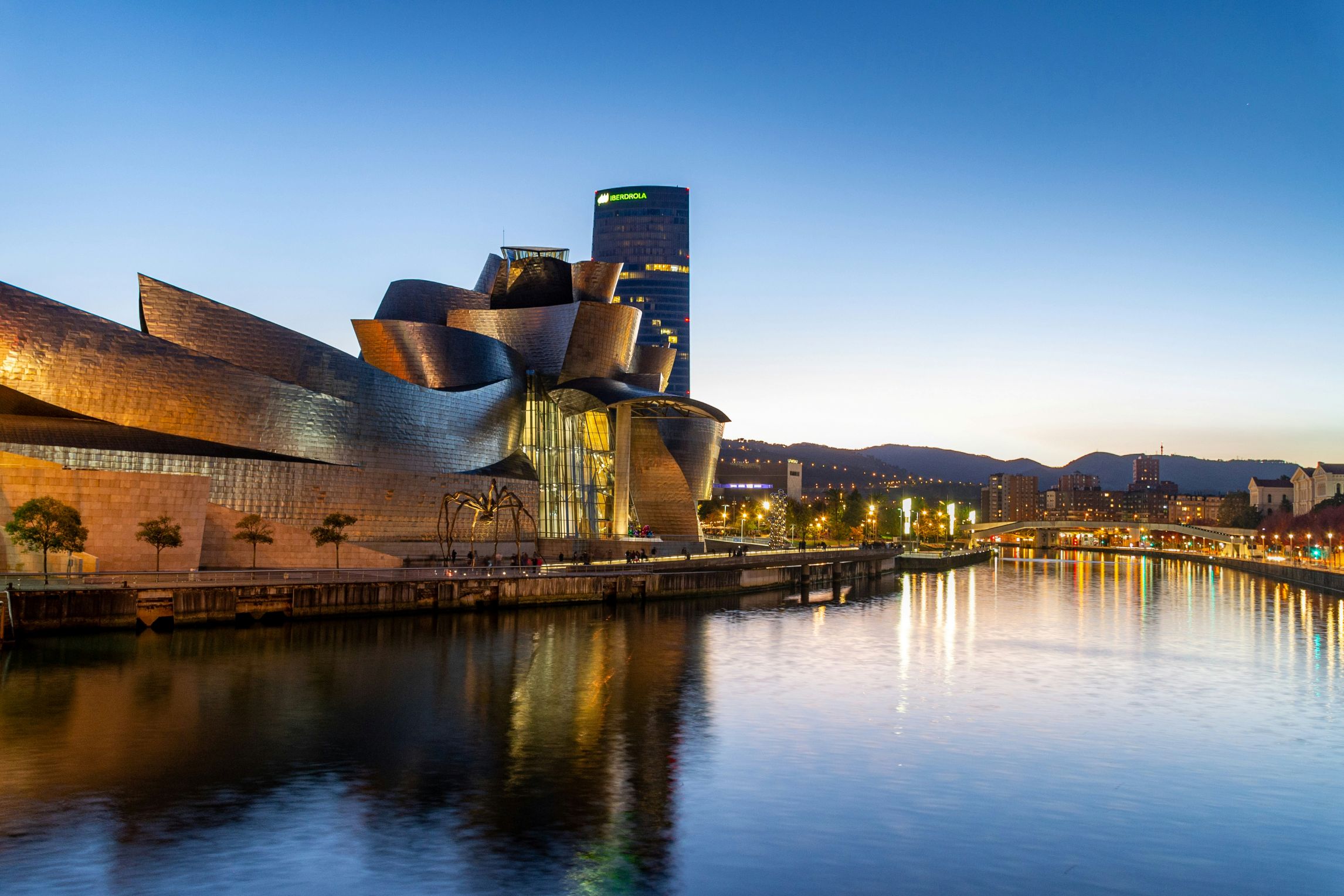
Several well-known sites illustrate the type of landmark WTTC is looking for. The Eiffel Tower in Paris has become one of the world’s most recognisable monuments and continues to draw millions of visitors every year. The Guggenheim Museum in Bilbao is another example. Since opening in 1997, the museum has helped transform the Spanish city into an international cultural destination, a change often referred to as the “Bilbao effect”. WTTC also points to the recently opened Grand Egyptian Museum in Giza, which is expected to strengthen Egypt’s position as a leading cultural tourism destination by displaying thousands of ancient artefacts close to the Pyramids of Giza.
The campaign will take place over the course of a year and consists of four stages. Public nominations opened on 7 July 2026, and anyone can submit a landmark for consideration. On 7 January 2027, WTTC will announce 70 nominated sites, after which public voting will begin. The list will then be reduced to 30 finalists on 7 April 2027, before the final seven contemporary wonders are revealed on 7 July 2027.
WTTC says the selection process will consider several factors rather than focusing only on popularity. The organisation will look at a landmark’s contribution to tourism, its economic impact and its value to local communities. Destination development, cultural importance and architectural significance will also play a role in the evaluation. By combining these criteria, WTTC hopes to recognise places that have changed how people travel while also benefiting the regions in which they are located.
WTTC President and CEO Gloria Guevara said the campaign reflects the idea that every generation creates landmarks that deserve international recognition. “Wonder is not something humanity stopped creating centuries ago. Every generation leaves its mark on the world. We are inviting people everywhere to help recognise the landmarks that have defined the modern age and will continue to inspire new ways of experiencing the world,” she said. Guevara added that the most influential tourism attractions do much more than welcome visitors. According to her, they also support local businesses, create employment opportunities, attract investment and strengthen the international profile of destinations.

The organisation believes the initiative comes at a time when many governments are looking for new ways to stimulate economic growth and improve resilience. WTTC argues that world-class visitor attractions should be seen as strategic infrastructure because they generate benefits that extend well beyond tourism. Successful landmarks can encourage private investment, improve public spaces and help shape the identity of cities and countries. The council also wants to demonstrate how cooperation between governments and the private sector can create attractions that continue to deliver social and economic value for decades.
By inviting the public to nominate landmarks from around the world, WTTC hopes the campaign will showcase both established icons and emerging destinations. The organisation believes this approach will highlight the diversity of modern tourism while encouraging investment in places with strong future potential. Public participation is expected to play an important role throughout the selection process, giving travellers the opportunity to help determine which landmarks best represent the contemporary age. Nominations for the 7 Contemporary Wonders of the World are now open through the WTTC website.