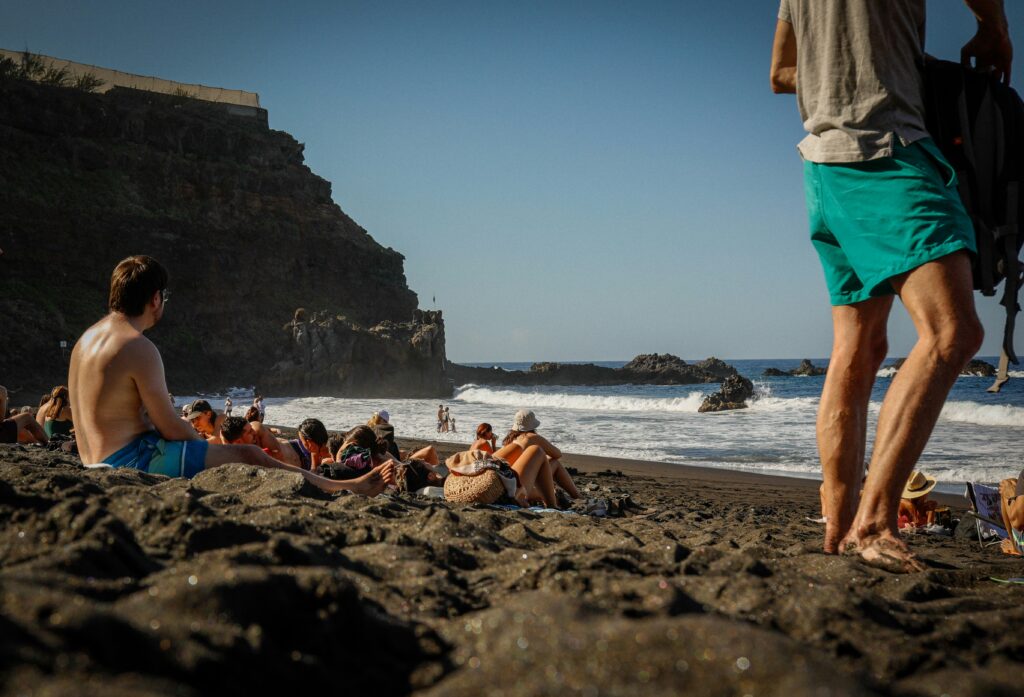

Visitor numbers and spending in Spain are forecast to increase in 2026, after already hitting record highs in 2025, according to press statements from Spanish Tourism Minister Jordi Hereu.
After hosting a record 97 million tourists in 2025 and occupying the world’s second-most visited country spot, Spain could soon break the 100 million mark, Hereu noted. “If growth continues this year, we will reach 100 million foreign tourists,” he said. But despite the predicted growth in the sector, the country is “not focused on that,” he clarified.
The Minister’s remarks are perhaps intended to appease a nation that has seen increasing anti-tourism sentiment manifest as a suite of protests and guerrilla acts of vandalism on visitor infrastructure. Critics have pointed to housing shortages in Spain and the rising cost of living, as tourism has relentlessly boomedin recent years while Spaniards complain they cannot afford a vacation in their own country.
However, with revenues from travel and tourism up 6.8% to €135 billion in 2025, and the sector composing 13% of the economy, according to industry association Exceltur, managing visitor numbers in line with public expectations without triggering a downturn is a difficult balance to strike.
Part of the equation has been a hardline attitude to short-term vacation rental platforms in some cities and regions. Barcelona is often cited for its plan to eliminate around 10,000 tourist lets by late 2028. Places like Madrid, Málaga, and Palma de Mallorca are making it increasingly tough to register new rentals by restricting licenses. And Valencia has banned new permits in its historic heart, implementing a moratorium. Popular tourist destinations such as Andalusia and the Balearic and Canary Islands have stripped licenses from thousands of listings for code violations, and host platforms like Airbnb have received fines.
Beyond rental and housing controversies, though, Hereu said Spain, like other destinations, was witnessing the post-COVID-19 spread of tourism into the so-called shoulder seasons. The growth of Spanish travel and tourism has been happening more steeply off-peak than at the height of the traditional seasons. Figures for 2025 show tourist spending in the low and mid seasons rose by 53% compared with 2019, while the high season had seen 34% growth.
It remains to be seen if that trend will trickle into the winter and continue in 2026. Hereu said year-on-year the country is expecting to handle 3.7% more international visitors in the first quadrimester of 2026, which includes an early April Easter, amounting to 26 million people, anticipated to splash out €35 billion, a 2.5% year-on-year increase. If that’s the case, work remains to be done on encouraging fewer visitors to spend more.