


Greek tourism authorities are questioning the impact of new European border controls on British holidaymakers amid emerging evidence that removing the requirements has increased bookings by UK tourists.
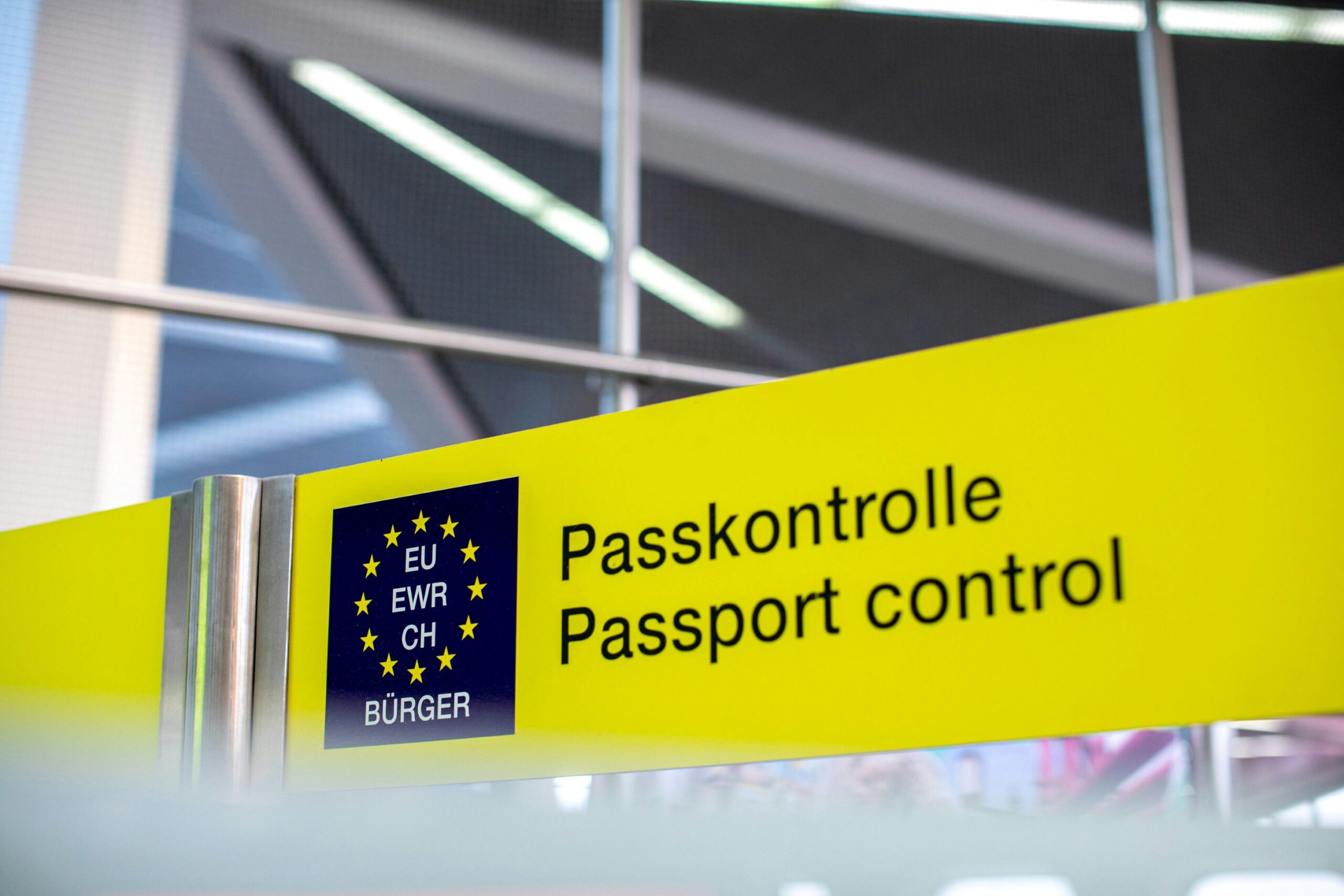
Rolled out across the 27 Schengen plus countries by 10 April 2026, the new Entry Exit System (EES) means that third-country nationals must register biometric information, including a facial image and fingerprints, as well as their passport details and trip intentions, when they enter the bloc. The data, intended to streamline EU border security, are stored for three years, meaning there is no need to repeat the exercise on every entry, but the initial registration process has caused significant delays and disruption at travel hubs since its introduction.
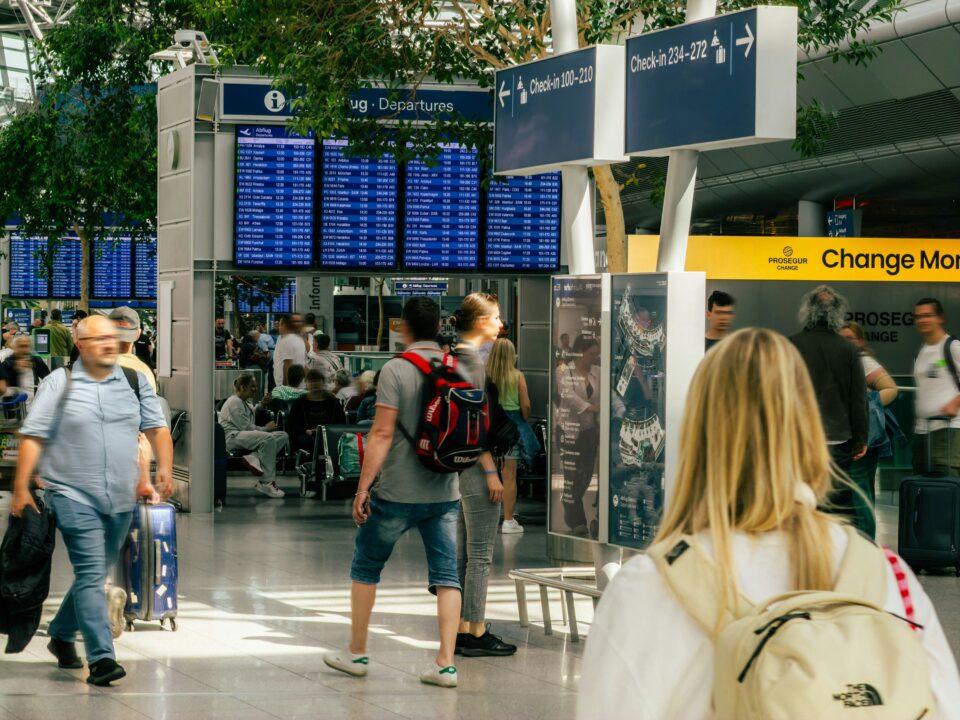
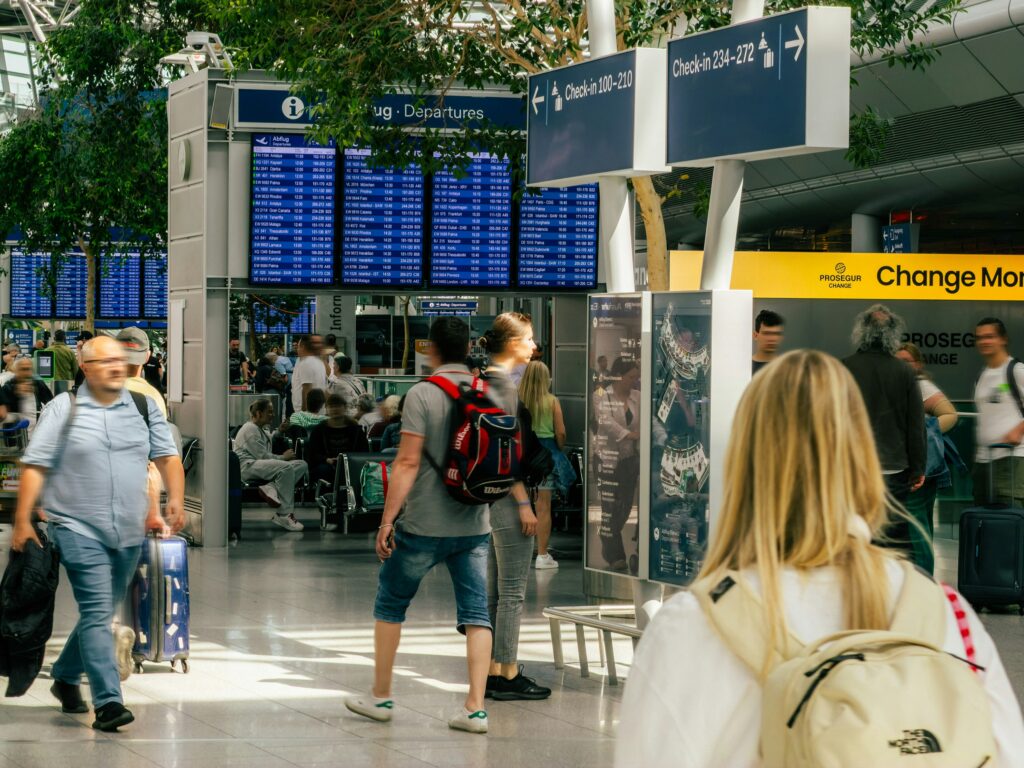
Despite special registration kiosks being installed at border points, long queues have occurred, including at the Port of Dover, where dedicated EES lanes are in place. At Humberto Delgado Airport in Lisbon, the national guard had to be brought in to ensure public order, and at Milan, 122 passengers were left behind by an easyJet flight to Manchester when they failed to make it through airport security in time.
Fearing the impact on its tourism sector, which relies heavily on UK arrivals, Greece suspended EES controls for Brits after long waits at entry points developed in March and April.
✈️ Flying to Europe soon?
— UK in Italy 🇬🇧🇮🇹 (@UKinItaly) May 12, 2026
The EU Entry/Exit System (#EES) means a quick digital check when you enter & leave the EU✅
Your digital EES record is valid for 3 years.
👉 https://t.co/jRQXzKkygL
Find out more about how your data is processed 👉 https://t.co/PKd1qlTLbv pic.twitter.com/q5cOKv9k6D
The move appears to have worked in Greece’s favour. Since the EES suspension, travel agents report a surge in British bookings for the Hellenic Republic. “We have seen a clear and consistent uplift in demand for the destination,” said Julia Lo Bue-Said, the chief executive of Advantage Travel Partnership, describing an uptick in sales from 7.7 per cent in mid-April to 9.8 per cent by the end of the month, indicating growing consumer confidence and interest. In contrast, when looking at Spain, the Canary Islands and the Balearics collectively, which are typically the most popular destinations, there has been a gradual softening in share over the same period.”
Though the EU has said all countries have some operational discretion over EES implementation until September, the Greek move risks causing ructions with fellow southern European destinations, which are in competition for the same source market. “We believe that this is an extra reason why somebody would choose Greece over Spain or Portugal,” Olga Kefalogianni, the Greek tourism minister, said, telling The Times her priority was to ensure people have “a good experience coming in and leaving the country.”
EES related chaos at Lisbon Airport today.
— Laurence Sleator (@laurencesleator) May 8, 2026
Two hour queues with around five officers letting through more than 300 passengers. Tempers fraying.
Unlike Greece, Portugal does not plan on exempting British nationals from the checks.
It is going to be a long summer for them… pic.twitter.com/W2mV8gnJcn
Responding to the situation, Portuguese border officials too have relaxed EES controls at Faro, Lisbon, and Porto, paving the way for other nations to start doing the same, which could potentially undermine the whole system.
As a result, Kefalogianni has said she believes there should be “a discussion on a European level when it comes specifically to British citizens,” The Times reports. “I think we should reconsider how Europe as a whole would deal with British passport holders. It’s about time that we make the distinction.”