


Travel consumers in India are being urged to stay and spend at home, as part of austerity measures aimed at boosting the country’s foreign exchange reserves. The call to nationalism from Prime Minister Narendra Modi is reportedly causing waves of Indians to cancel their international travel plans.
Among Asian currencies, the Indian rupee has suffered the worst over the last year, losing six per cent on the dollar. High jet fuel prices amid the war with Iran have compounded the situation. Major routes have become thirstier and costlier to operate, with durations up by between two and four hours’ flying time due to closed airspace.
The result? Flag carrier Air India had to wipe more than one in four international flights from schedules between June and August, and has reduced frequencies on 40% of routes. It is not alone. Qantas and Thai Air Asia have suspended India connections. Inbound travel is down by around 20% as a result.
But the cancellation of those international connections also coincides with India’s high travel season hitting its stride. Schools are out for at least another month, and with 14 million Indians holidaying abroad every year, usually the period sees healthy demand for Southeast Asian destinations and beyond. However, according to Travel Weekly reporting, since Modi questioned the idea of Indians spending money abroad, outbound operators like Pradeep Saboo of Guideline Travel Holidays India have “received a lot of calls from clients wanting to cancel or postpone their trips.”
If things go according to Modi’s plan, the domestic sector will begin to net the difference from travellers choosing staycations instead. “Domestic travel has gained prominence, with 42% of travelers opting to explore their own countries. This trend, [is] notably observed in India, China, and the United States,” said travel insurance firm Allianz Partners earlier this month.
If it continues, it could represent quite the turnaround for the Indian hospitality sector more generally. Around 10% of restaurateurs have gone out of business, with the sector undergoing a monthly business decline of Rs 79,000 crore (around €7 million). Whether domestic consumers can replace the premium and high-end spenders from abroad remains to be seen.
Hoteliers, though, are starting to feel the warmth of a national embrace. Indian Hotels Company, the biggest national hospitality group, told CNBC’s “Inside India” that Modi’s policy could “benefit the domestic tourism industry.” And “revenue per available room in May was “back to double-digit numbers,” and the “pace remains pretty strong,” Rajeev Menon, president of APAC ex-China at Marriott International, told CNBC’s “Squawk Box Asia.” In addition, Indian rental platform SaffronStays added that its bookings for May were up by nearly 40%, and, looking ahead, June reservations are almost 50% higher year-on-year.
The broader outlook could be even better if the wedding celebrations that generate 6.5 trillion rupees (nearly €58 billion) during peak nuptials from November to December also end up staying domestic.
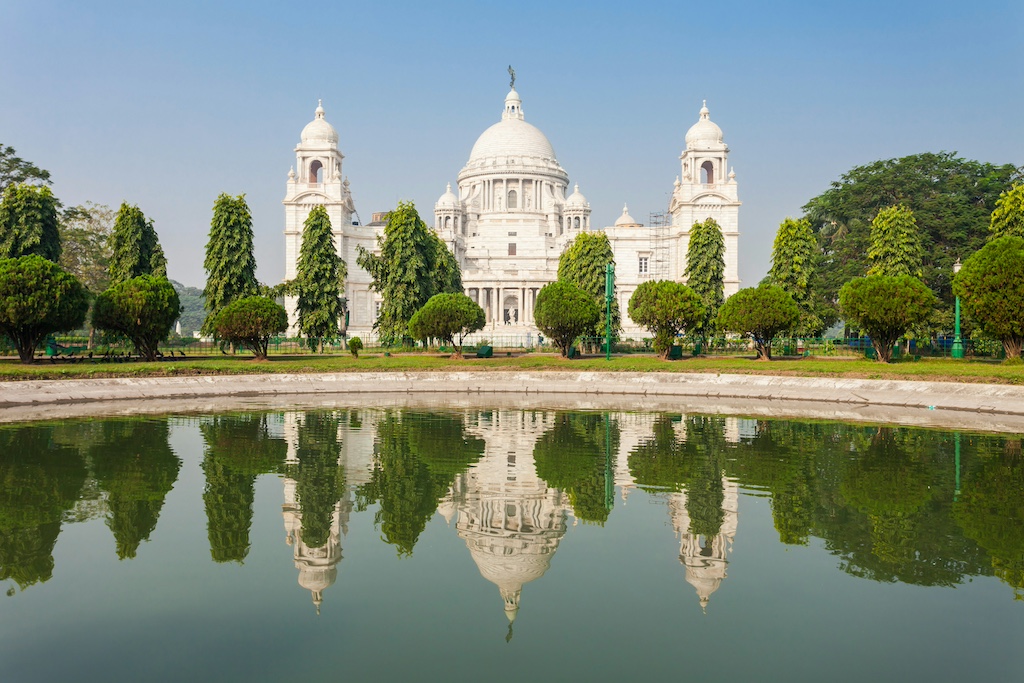
For those looking to visit India this year, the consensus seems to be that, despite international flight route cancellations and an appearance of a sector that is taking a blow, inbound demand and prices could still be on their way up, so booking sooner rather than later might be wise.