


In a recent interview with Euronews, Mayor of Dubrovnik Mato Franković explained how the ‘Respect the City’ scheme has allowed the city to successfully combat overtourism over the past decade. By combining multiple measures, including staggered arrivals and fines for noise nuisance, Dubrovnik is trying to remain attractive to visitors without losing its medieval charm.
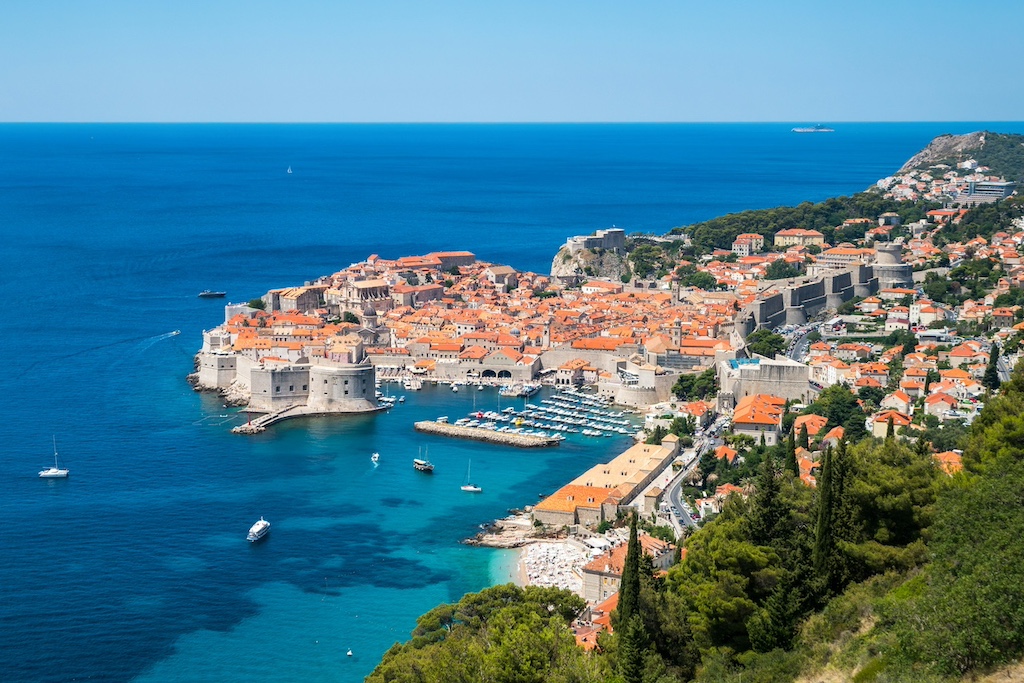
The Croatian city of Dubrovnik is one of international repute. While its undeniable charm alone is enough to attract many a history fanatic, the UNESCO-listed Old Town is also a popular stop for cruise ships and ‘Game of Thrones’ lovers. Over the years, this led to an increasingly large number of (day) visitors, putting a strain on the beautiful medieval city that was not built to accommodate as many tourists.
In 2017, overtourism threatened to strip Dubrovnik of its UNESCO status; the so-called ‘Respect the City’ scheme was launched under the mayor of Dubrovnik, Mato Franković. Almost a decade later, Franković, who still occupies the same role, went into detail about the initiative in an interview with Euronews.
“For years, tourism in Dubrovnik wasn’t managed; it simply just ‘happened’ on its own. Previously, there would be days where five or six cruise ships would arrive at once, bringing with them so many day-trippers from nearby destinations. That’s when we realised we needed to manage tourism differently, so we divided it into different sectors,” stated Mato Franković.
Instead of focusing on reducing the overall visitor numbers, ‘Respect the City’ has been trying to spread tourist arrivals evenly over the days, weeks, and months. Successfully, it appears, as the city welcomes some 650,000 arrivals and two million overnight stays between the start of 2026 and mid-July.
One of the ‘Respect the City’ measures consists of limiting the number of docked cruise ships at Dubrovnik’s port to just two, or a maximum of 4,000 arrivals. Moreover, cruise calls have to last at least eight hours, which means tourists are more prone to extend their visit beyond the Old Town – reducing the pressure on the historic town centre – and to contribute more towards the local economy.
A similar rule applies to coach operators. The bus webshop scheme obliges buses to register in advance, meaning the local authorities can stagger arrivals throughout the day and year by adding a limited number of available slots and by adapting that number depending on events and other arrivals.
Yet the ‘Respect the City’ scheme doesn’t just concentrate on spreading awareness. As the name might suggest, the campaign also stimulates visitors and local stakeholders to respect Dubrovnik and its inhabitants.
“Respect for Dubrovnik is something we ask of everyone: citizens, people working in the city, those who come to enjoy Dubrovnik – this is our message to everyone,” explained Mato Franković.
One of the measures includes limiting noise nuisance, for example by banning tourists from wheeling their suitcases through the cobbled streets of the Old Town and by applying a noise level limit of 55 decibels in outdoor areas.
While ‘Respect the City’ already functions as a successful model for handling overtourism, with international destinations looking towards Dubrovnik for inspiration, Mayor Franković is already looking at future measures. Some of those include concentrating tourism on existing hotspots, while replacing underdeveloped tourism zones with affordable housing for locals.
“Short-term rentals are killing cities because step by step, they push residents out and turn living neighbourhoods into tourist apartment zones. It’s going to be just like a generic Disney-land experience, and who wants to visit a ghost town? That’s not what people want – they want to see and meet the citizens. But if we let this continue, our citizens will be forced out of the major cities and into the far away suburbs”, the mayor told Euronews. The aim of the ‘Respect the City’ scheme is clear: safeguarding Dubrovnik for future generations to enjoy, while giving tourists the chance to respectfully marvel at its medieval beauty.