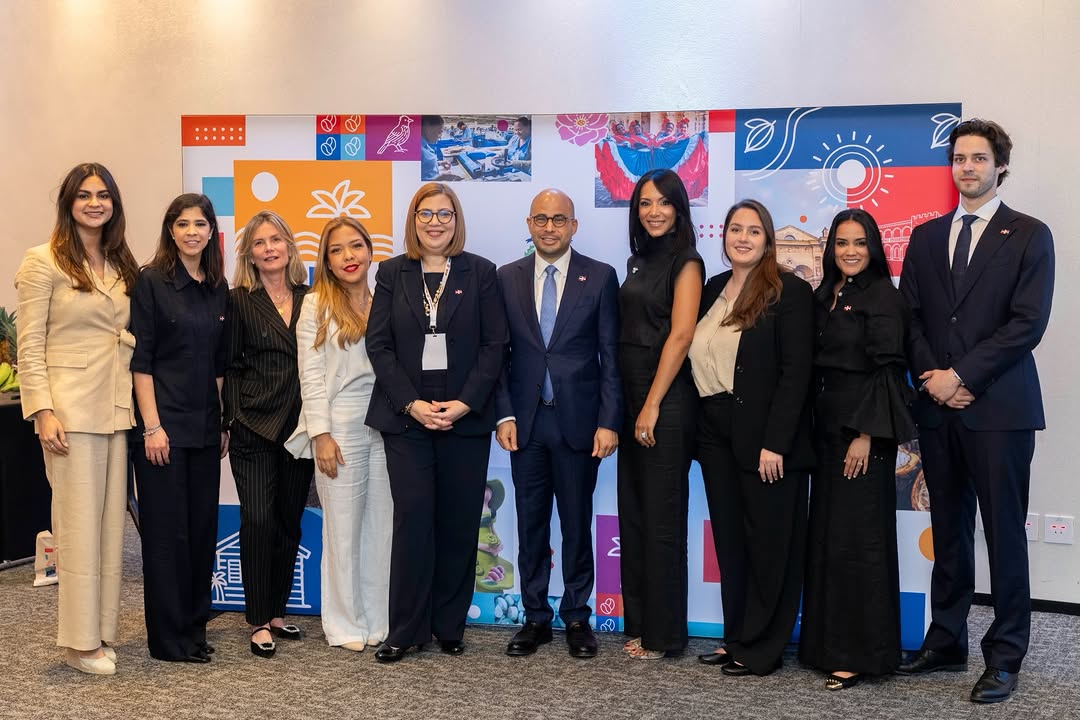



The Dominican Republic used Brussels as a platform to strengthen its economic ties with Europe on 1 June 2026, bringing together government representatives, business leaders, investors and diplomats for the Trade and Investment Forum & Cultural Night at The Hotel Brussels.
Organised as part of the first Dominican Week in Belgium and the Netherlands, the forum highlighted the Caribbean nation’s ambitions to deepen trade, attract foreign investment and position itself as a strategic partner for Europe across sectors ranging from agriculture and logistics to tourism, infrastructure and renewable energy.
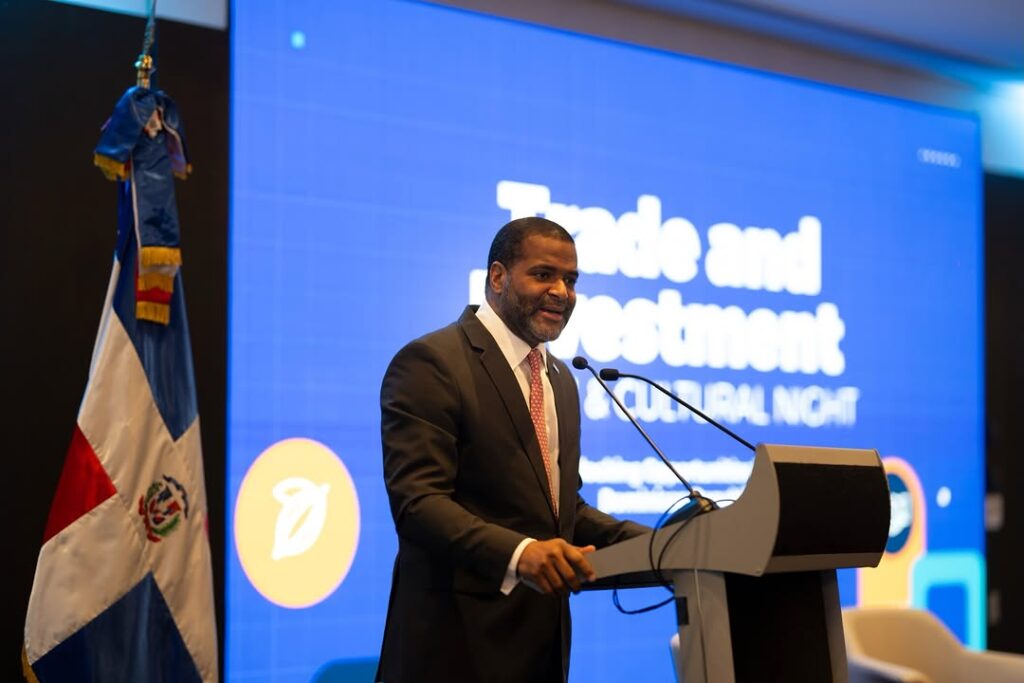
Opening the event, Ambassador Joan Cedano, Ambassador of the Dominican Republic to Belgium, Luxembourg and the European Union, described the initiative as a strategic effort to “open new doors” for the country in Europe.
“Today more than ever, the Dominican Republic has much to show,” Cedano said, presenting the country as a stable and dynamic economy with a favourable investment climate, strong productive sectors and growing logistics capabilities. He stressed that the government aims to double the country’s GDP by 2036 through the development of sectors including agro-industry, logistics, tourism, technology, innovation and free trade zones.
Representing Dominican Foreign Minister Roberto Álvarez, Vice Minister of Bilateral Foreign Policy Francisco Caraballo placed the event within the broader context of Dominican-European relations.
He emphasised that partnerships between countries are built not only through trade agreements and investment frameworks but also through people, communities and shared histories. Caraballo highlighted the Dominican Republic’s longstanding connections with Belgium and the Netherlands and described the country as “a Caribbean nation open to the world, stable and reliable”.
Sustainability, quality and trust
The programme combined presentations from public institutions with discussions focused on trade, exports and investment opportunities.
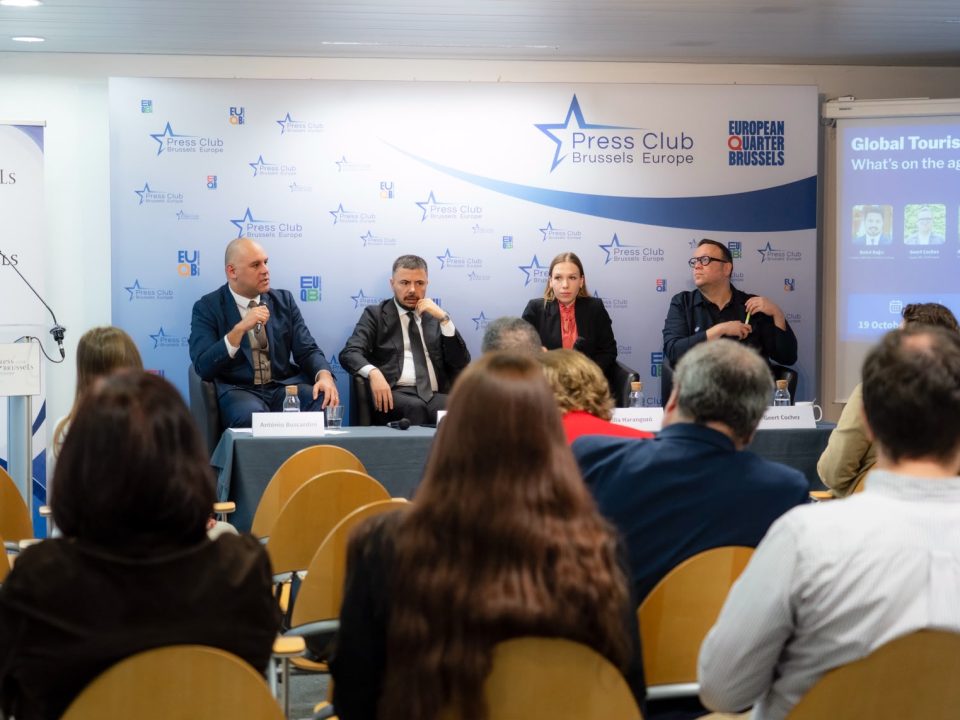
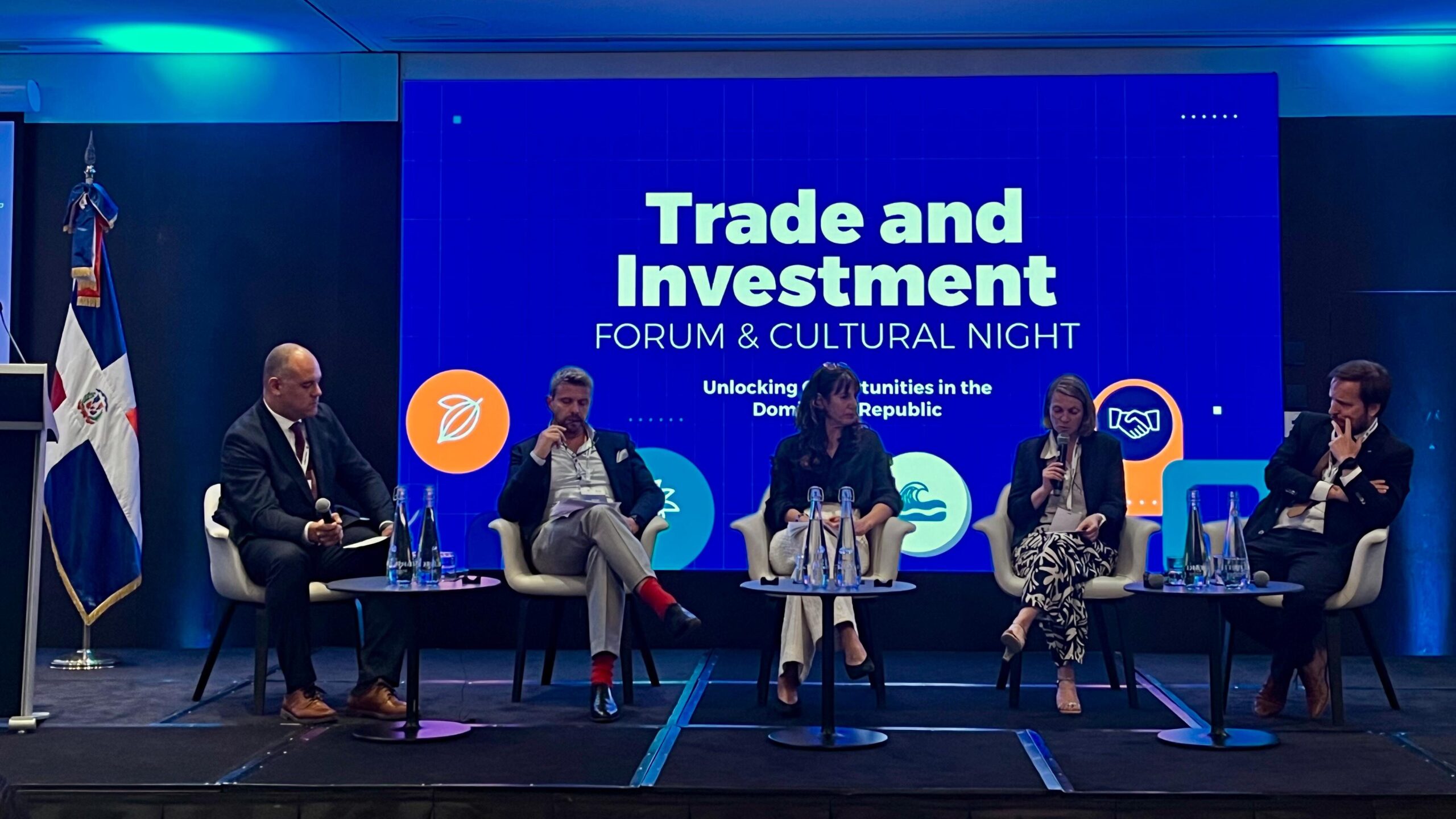
A keynote presentation by ProDominicana showcased the country’s attractiveness as a destination for investment, tourism and business development. This was followed by a panel exploring the future of Dominican exports to the European Union, bringing together representatives from the banana, cocoa and tobacco sectors.
Speakers underlined the importance of sustainability, traceability and quality standards in maintaining and expanding access to European markets.
Gil Blas Martínez, President of Adobanano, warned that small organic banana producers face increasing certification costs and regulatory burdens. He called for greater support to help producers remain competitive while preserving the social and environmental value of Dominican agriculture.
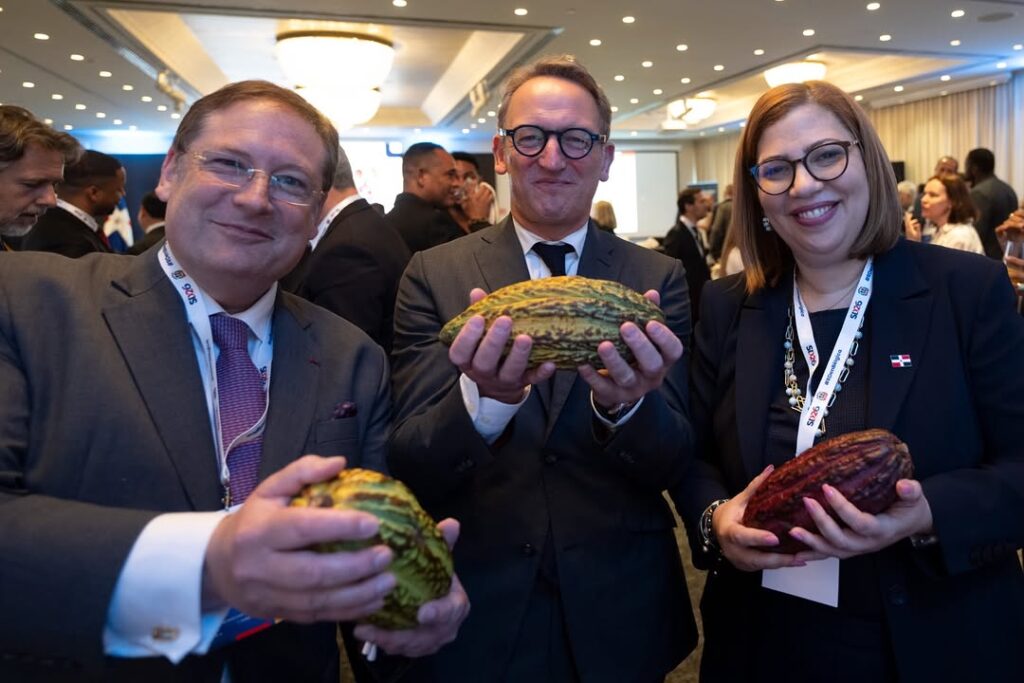
María del Pilar Hernández of the DR Cocoa Foundation highlighted efforts to comply with the European Union’s anti-deforestation requirements and presented plans for a geographical indication for Dominican cocoa. The initiative aims to provide European buyers with greater guarantees regarding origin, traceability, quality and flavour profiles.
According to Hernández, virtually all Dominican cocoa exported today already complies with the EU’s anti-deforestation regulation, while the geographical indication would add a new layer of differentiation similar to protected European wine regions.
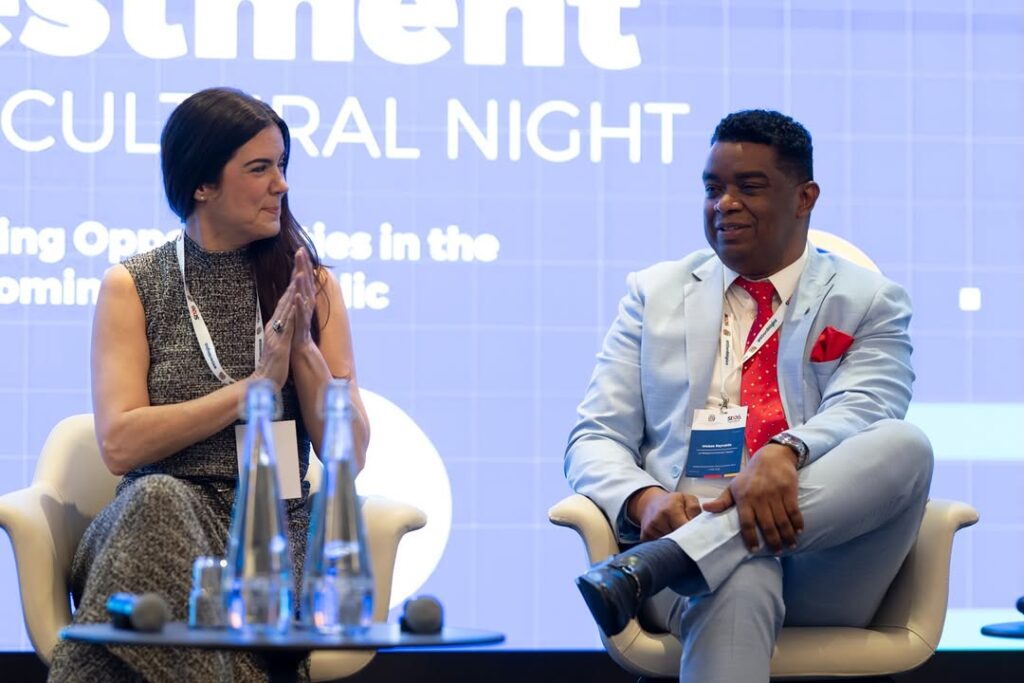
The tobacco sector was represented by Moisés Rodríguez, CEO of La Realeza Dominicana Tobacco, who emphasised the role of craftsmanship, family traditions and social inclusion in the country’s globally recognised cigar industry.
“The Dominican cigar is the product of our land, our climate and Dominican labour passed from generation to generation,” Rodríguez said, highlighting the industry’s contribution to employment and regional development.
Offering a European perspective, Laurent Nys, Director of Brussels’ Mabru wholesale market, said Belgian consumers increasingly seek high-quality exotic products and encouraged Dominican exporters to invest in quality control, storytelling and long-term partnerships.
“Long-term partnership is long-term business,” he noted, adding that Belgium could serve as an important gateway to wider European markets.
Investment opportunities gain momentum
Investment was another central theme of the afternoon.
A presentation by Andrés Lugo Risk, Executive Director of the General Directorate for Public-Private Partnerships (DGAPP), highlighted opportunities created through the Dominican Republic’s public-private partnership model.
Meanwhile, discussions between European and Dominican stakeholders focused on the country’s economic growth, investment climate and strategic position as a gateway to the Caribbean.
Representatives from the European Commission and regional investment agencies pointed to opportunities in sectors including transport, water management, logistics, sustainable development and innovation. The EU’s Global Gateway strategy was presented as a mechanism capable of mobilising both public and private investment for projects that create local benefits while supporting broader sustainability goals.
The Dominican Republic’s attractiveness as an investment destination was also illustrated through business experiences shared during the forum. Speakers highlighted the country’s political stability, growing infrastructure, free trade zones and business-friendly environment, as well as the strong support available to foreign investors.
Tourism ambitions continue to grow
Tourism remained one of the recurring themes throughout the afternoon.
The Dominican Republic welcomed a record number of visitors in 2025 and is now aiming to surpass the milestone of 12 million tourists annually, further consolidating its position as one of the Caribbean’s leading destinations. The sector continues to attract investment in hospitality, real estate, transport and supporting infrastructure while generating employment and economic growth across the country.
Several speakers noted that the country’s appeal extends well beyond its beaches. Increasing air connectivity, political stability, year-round climate and growing international recognition are helping attract both visitors and investors.
At the same time, participants stressed the importance of ensuring that local communities benefit from tourism growth through sustainable development, environmental stewardship and social initiatives.
Brussels Minister-President joins Dominican Week celebrations
The forum concluded with an evening dedicated to Dominican culture, featuring gastronomy, rum tasting, cigars, music and dance alongside the presentation of recognition awards to European personalities.
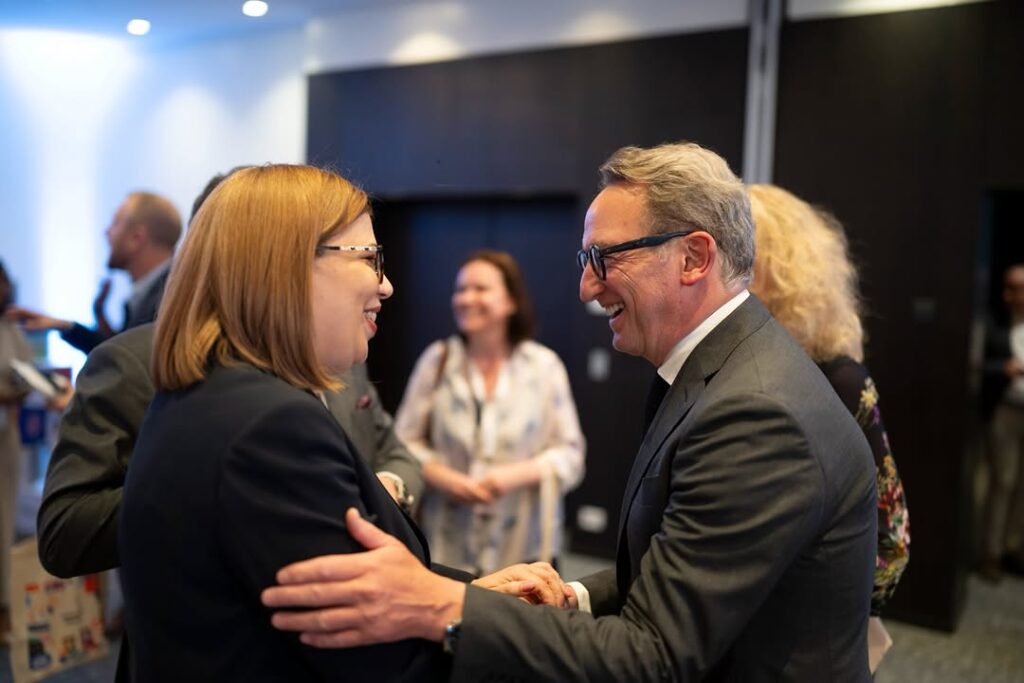
Among the guests was Boris Dillies, Minister-President of the Brussels-Capital Region, who attended the event as he marks his first 100 days in office. His presence underscored the growing ties between Brussels and the Dominican Republic, while adding a symbolic dimension to the opening edition of Dominican Week in Belgium and the Netherlands.
Throughout the afternoon, speakers returned to a common message: the Dominican Republic is seeking to position itself not only as a tourism destination or an exporter of agricultural products, but as a reliable long-term partner for European businesses and investors.