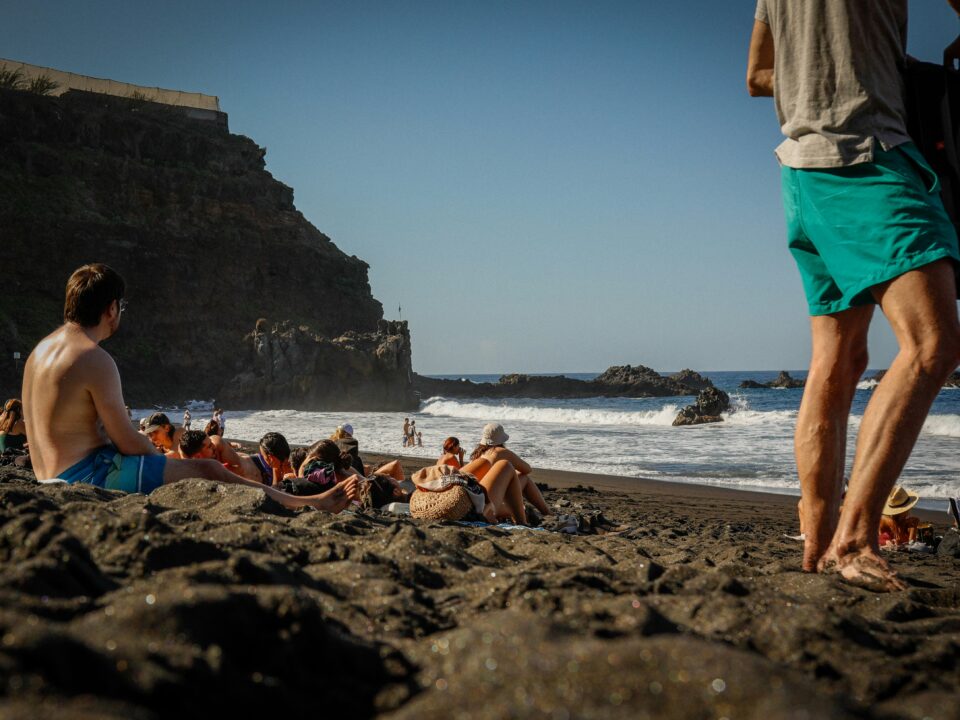
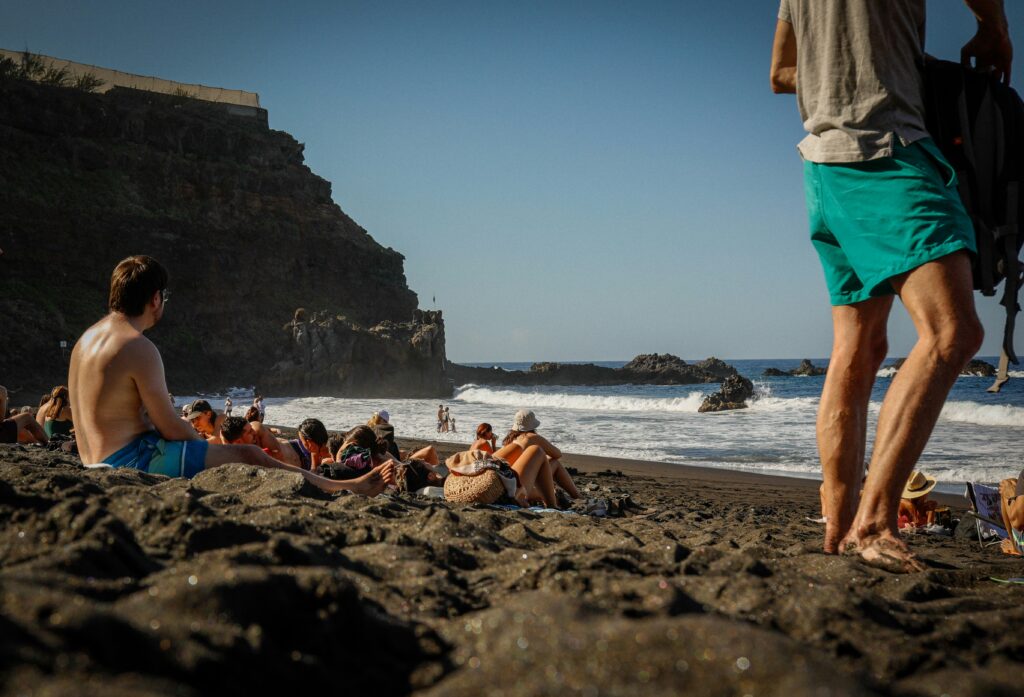
Despite the anti-tourism atmosphere and environmental concerns, Spain saw a record number of tourists over the summer, welcoming 11 million international visitors in July – the highest number in its history – and 55.5 million since the beginning of the year.
The economic benefits are clear: €76 billion has been generated from tourism so far this year, which is a 7.2% increase compared to 2024. The main origins of tourists remain unchanged, with travellers from the UK, France and Germany making up the bulk of arrivals. However, growth in July was just 1.6%, which may indicate the beginning of a slowdown.
🇪🇸Spain received 11 Million tourists in July 2025. This is 1.6% more than in July 2024.
— Embassy of Spain UK (@EmbSpainUK) September 1, 2025
🇬🇧The UK was the top source market with 2.1 Million tourists, 0.7% more than in July 2024. pic.twitter.com/quLvxZwRkV
Another notable development this year is that September, typically a quieter shoulder season, has effectively merged with the summer peak. This trend highlights a new reality: the bargains of the so-called shoulder season are quickly becoming a thing of the past.
The travel habits of Spaniards have also changed drastically. Fewer than 40% of the population now take holidays in August, the traditional month off, with many opting for September instead when prices drop. Or used to drop. According to Spain’s National Observatory of Outbound Tourism (ObservaTUR), one in six Spaniards chose to go on holiday in September this year. International travellers are doing the same.
Spain received record 364k visits from Ireland in July, +15.7pc on 2024 & +27pc on pre-pandemic https://t.co/40JxUP7H4C pic.twitter.com/rj5ehTPG2R
— Travel Extra (@TravelExtraIre) September 3, 2025
This increase in visitors during what was once considered the off-season is turning September into a main season, and the prices reflect this. In the Canary Islands, prices are currently around 25% higher than in September 2019 and have increased by a further 5.3% since September 2023. Across Spain as a whole, the average cost of a hotel night last September was €132, which is 21% higher than the year before. An average week’s stay would cost around €1,490 per person. Foreign spending reached €16.5 billion in July alone this year.
The extension of the summer peak season into autumn comes despite mounting tensions. Spain has been rocked by anti-tourism protests since the beginning of the year, with calls to cap tourist numbers, crackdowns on Airbnb and mass street demonstrations, as well as attacks on visitors. None of these measures has reduced demand, not even natural disasters such as wildfires that spread over the summer.
🇪🇸 BARCELONA LOCALS FIGHT TOURISM…WITH WATER GUNS
— Mario Nawfal (@MarioNawfal) April 29, 2025
Fed up with tourists flooding their streets, Barcelona activists pulled out water pistols and blasted a tour bus outside the Sagrada Familia, yelling “Tourists go home!”
They’re demanding “de-touristification” of the city,… https://t.co/4rg61e5d90 pic.twitter.com/K78hjXPy4M
One reason for this is that, despite rising prices, Spain remains one of the most affordable destinations in Europe. While the summer saw scorching temperatures, September is still warm and pleasant: the heat is more bearable, the Mediterranean is still perfect for swimming, and the evenings are cooler. According to Kayak data, airfares from the UK to several Spanish cities are also lower this year, with some destinations up to 26% cheaper, making Spain an even more attractive destination.
With summer extending into autumn, Spain seems well placed to surpass last year’s total of 94 million visitors and the tourism sector is even set to exceed €260 billion by the end of 2025. The question now is whether Spain can cope with the pressure – and whether it might even overtake its northern competitor, France.