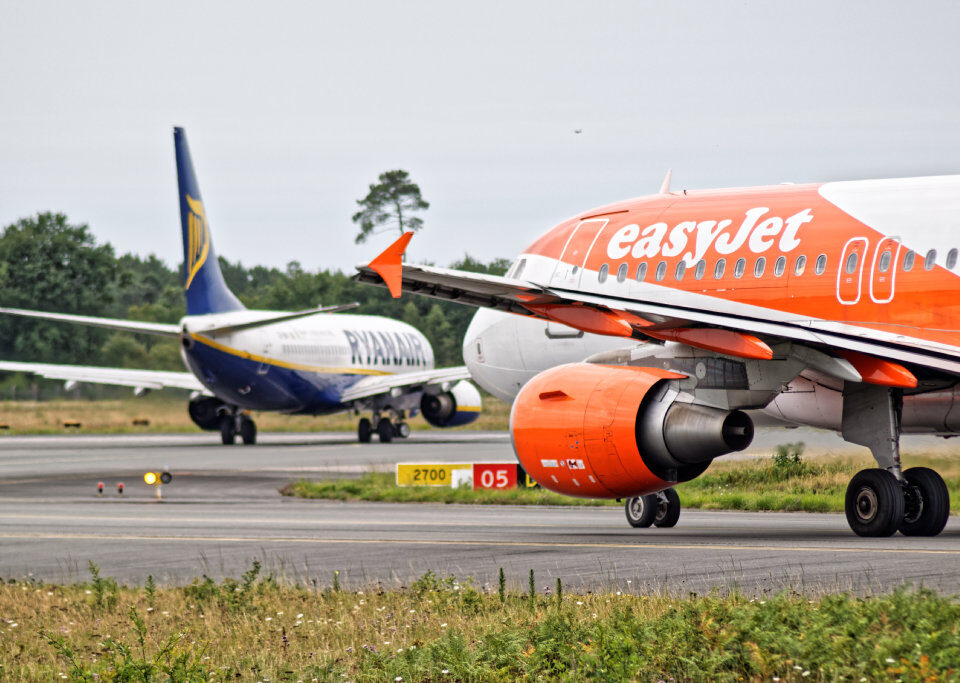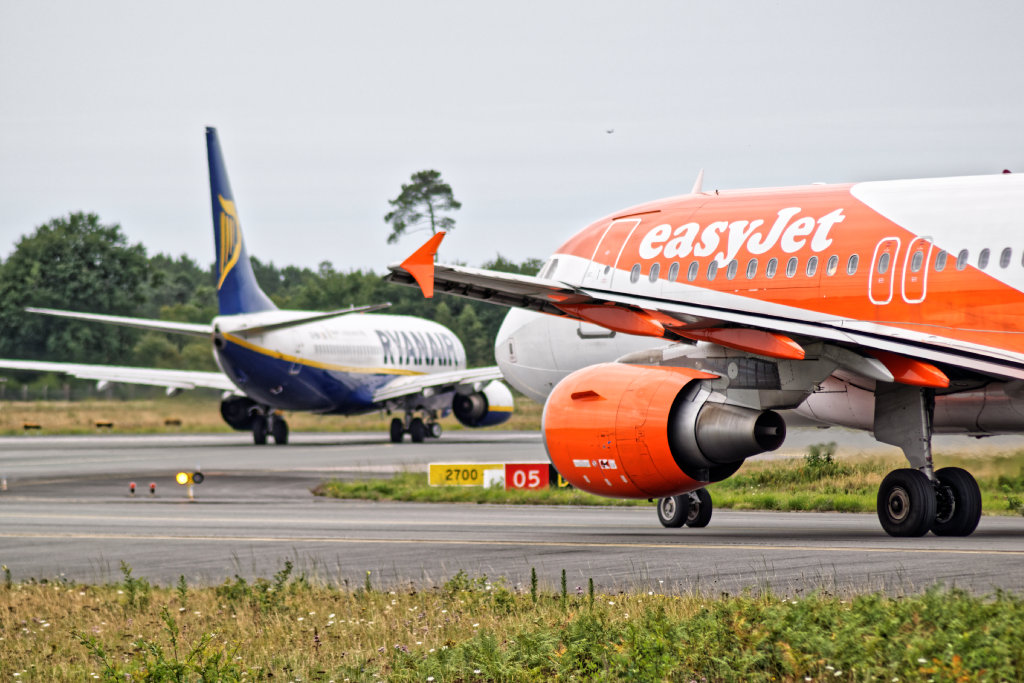


Ryanair has announced it will now operate its full summer 2026 schedule at Belgium’s Charleroi airport, south of Brussels. The move comes after the Walloon government’s rejection of the Charleroi “pax” tax. Welcoming that “sensible decision,” Ryanair said it would maintain connectivity and boost seat capacity at the airport.
The Charleroi tax would have levied three euros per passenger handled by the Brussels South Charleroi hub and was expected to raise around €15 million per year for the public purse as part of the Walloon Region’s long-term economic redevelopment strategy.
Previously, Ryanair had criticised the tax, with CEO Eddie Wilson slamming it as a “regressive and ill‑judged measure,” and threatening to wipe one million seats from the airport’s summer 2026 schedules.
Now, in the wake of the Walloon region reversing the proposed tax, the low-budget Irish operator has promised to grow low-fare seat capacity by nine percent to 7.5 million and to preserve 112 direct connections.
However, up to two million seats could still be on the line for the winter 2026 and summer 2027 season, Ryanair said, blaming federal aviation tax increases. The airline called on the Belgian Federal government to make a U-turn on proposed increases to the federal aviation tax, which the carrier says “has increased fivefold since July 2025”—from €2 in January 2025 to €10 per passenger from January 2027—a hike it describes as “discriminatory” and damaging to the Walloon economy.
In a statement, the budget airline asked: “When will Prime Minister De Wever realise that taxing air traffic is not the way to grow tourism/jobs, it simply sends traffic to other lower cost, zero-tax, competitor destinations elsewhere in Europe, like Sweden, Slovakia, Hungary, Italy, or Albania, where governments are abolishing aviation taxes to grow traffic, tourism and jobs.”
Wilson said Ryanair cannot grow in Belgium “if the federal government continues to price Wallonia out of the market.” Five planes out of Charleroi could be slashed, he said if the federal tax increase goes ahead, adding that De Wever would “be directly responsible for the loss of over two million seats from the Walloon Region (Charleroi Airport), along with thousands of local job losses, and the decimation of millions of euros in economic benefits for local communities. These cuts, if the tax goes ahead, will take effect from October 2026.”
A clash now seems likely between Walloon and Federal authorities. Members of the Walloon government have already sent a signed letter to De Wever, setting out their arguments against the federal aviation tax policy.