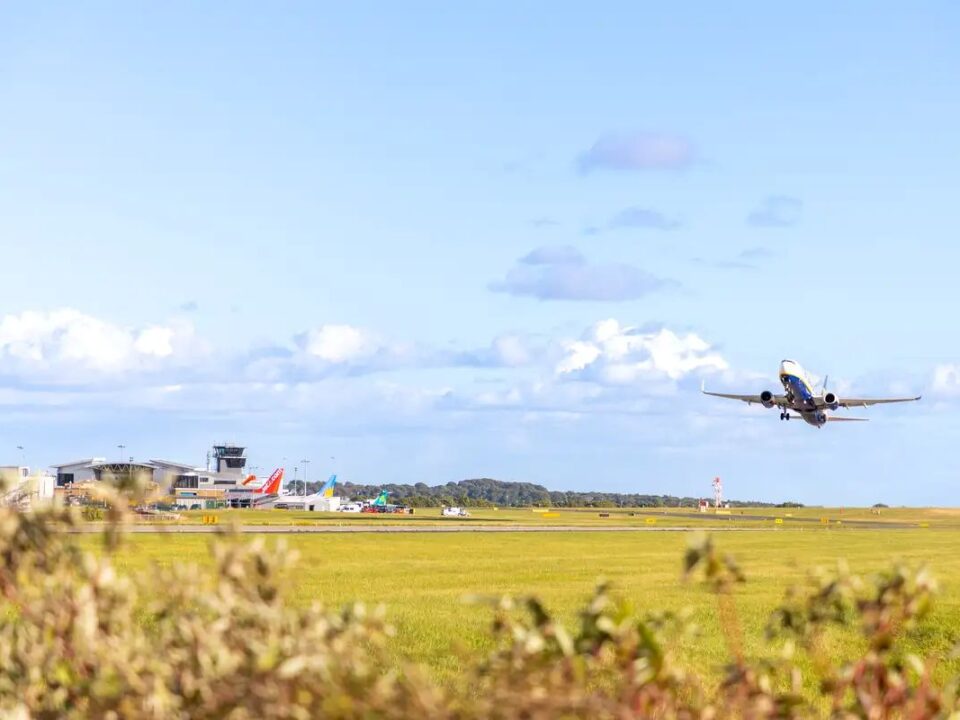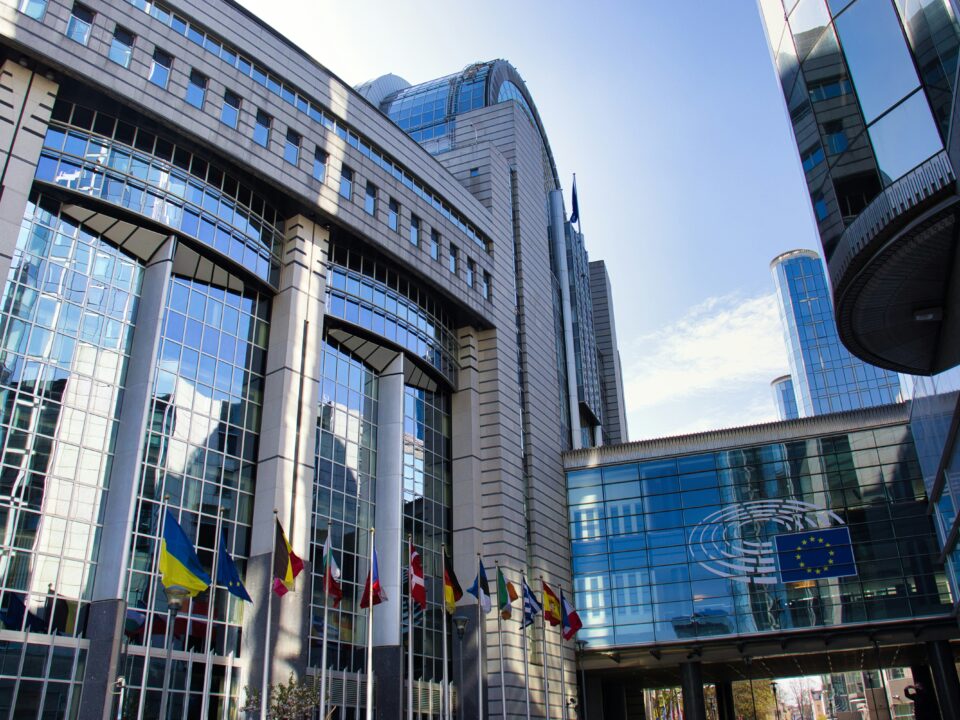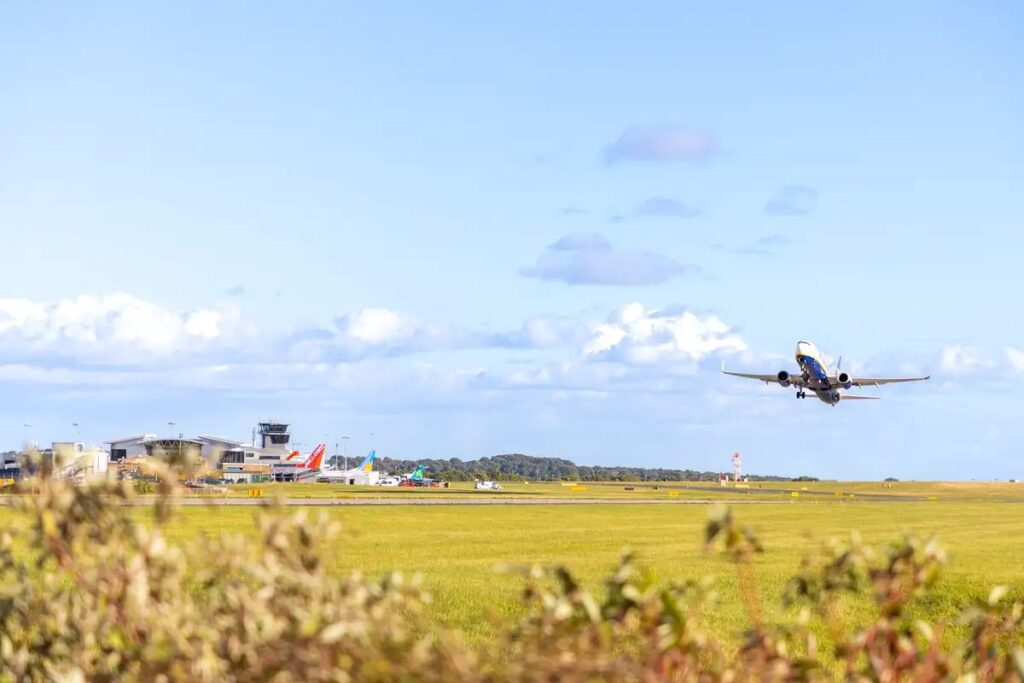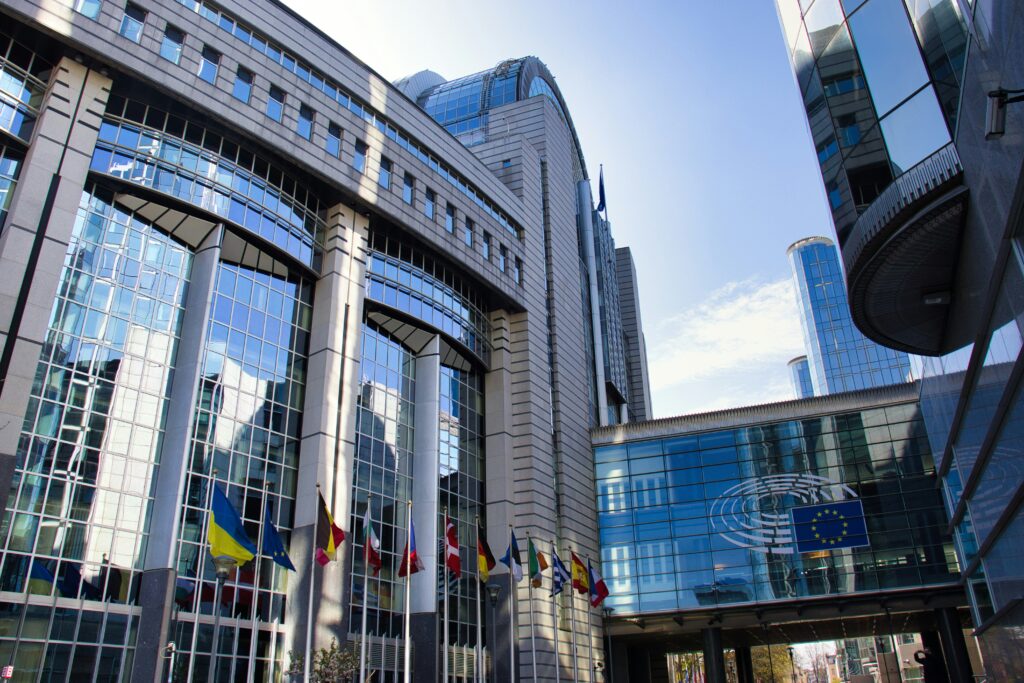
Ryanair has confirmed major reductions to its Belgian operations, announcing plans to cut 1.1 million seats in 2026 and a further 1.1 million seats in 2027. The airline blames higher passenger taxes introduced by both the Belgian federal government and the City of Charleroi, warning that the measures will undermine Belgium’s competitiveness and divert traffic to other European countries.
The cuts will affect flights from both Brussels Airport and Charleroi Airport, where Ryanair is the largest airline.
Passenger tax increases trigger capacity cuts
Ryanair says the decision follows the Belgian government’s plan to increase the national boarding tax fivefold, from €2 in January 2025 to €10 per passenger from January 2027. In parallel, the City of Charleroi has announced a €3 local tax per departing passenger, due to take effect from April 2026.
According to the airline, these additional costs make Belgium significantly less attractive compared to other European markets. Ryanair points out that several EU countries including Sweden, Italy, Slovakia, Hungary and Albania have abolished aviation taxes entirely in order to stimulate air traffic, tourism and employment.
In contrast, Ryanair argues that Belgium’s approach risks sending passengers, aircraft and investment to lower cost destinations elsewhere in Europe.
Passenger numbers expected to fall sharply
Ryanair carried 11.6 million passengers to and from Belgium in 2025. The airline now expects that figure to fall to around 10.6 million passengers in 2026 if the Charleroi city tax goes ahead, and to 9.6 million passengers in 2027 if the federal government does not reverse its planned tax increase.
The airline warns that fewer passengers will also mean fewer flights and fewer jobs across tourism, aviation and support industries linked to Belgium’s airports.
“Aircraft and passengers are mobile”
Speaking in Brussels, Ryanair chief executive Michael O’Leary strongly criticised the Belgian measures, arguing that higher aviation taxes do not reduce emissions but simply displace traffic.
He said that aircraft and passengers are mobile, and that airlines will naturally redeploy capacity to countries where operating costs are lower. According to O’Leary, Belgium risks losing years of low fare growth achieved at Charleroi and Zaventem if it continues to raise passenger taxes while other countries abolish them.
He also referred to calls by former Italian prime minister Mario Draghi for Europe to improve its competitiveness, arguing that Belgium’s tax policy moves in the opposite direction.
ETS also criticised
Beyond national and local taxes, Ryanair once again criticised the European Union’s Emissions Trading System. The airline argues that the ETS unfairly penalises intra European flights while exempting long haul flights operated by non European airlines, which are instead covered by the less costly international CORSIA scheme.
According to Ryanair, long haul and non European traffic accounts for more than half of aviation emissions linked to Europe, yet is not subject to the same carbon costs. The airline is calling for ETS reform or alignment with international standards.
A continuation of earlier warnings
The latest announcement builds on warnings already issued in December, as reported by Travel Tomorrow. At the time, Ryanair announced plans to cut around one million seats, five aircraft and 20 routes from its Belgian Winter 2026–2027 schedule, citing rising aviation taxes.
Ryanair maintains that scrapping passenger taxes would allow it to return to growth at both Zaventem and Charleroi. Without a policy reversal, the airline warns that further capacity reductions remain likely, reinforcing its message that taxing air travel reduces connectivity rather than delivering sustainable economic or environmental benefits.