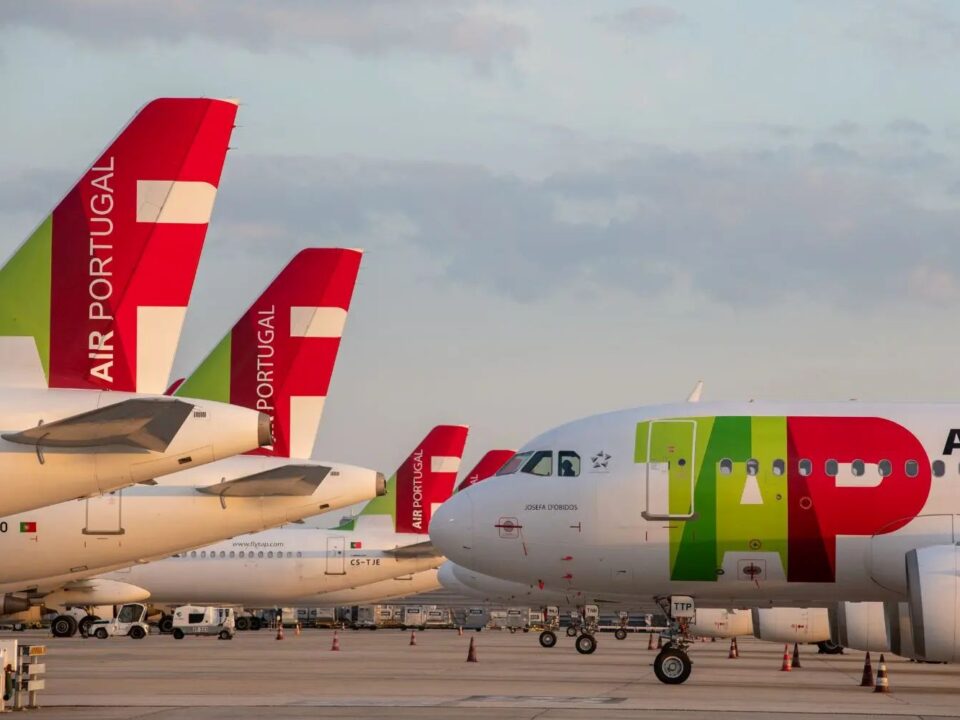
Charleroi plans to introduce a €3 tax on every departing passenger from Brussels South Charleroi Airport (BSCA) from 2026, expecting to raise around €15 million per year.
According to city officials, the measure originated with the airport, not the airlines, and has been incorporated into Charleroi’s 2026 budget following a challenging financial year, marked by a reduction in Plan Marshall compensation from the Walloon Region.
Plan Marshall is the Walloon Region’s long-term economic redevelopment strategy, launched in 2005 and updated several times, most recently as Plan Marshall 4.0. It is designed to boost competitiveness, investment and job creation in a region that has long been affected by industrial decline. It provides subsidies and financial support to strategic sectors, training, innovation and businesses.
For municipalities such as Charleroi, the plan has also included compensation payments. The recent reduction of these payments has contributed to budgetary pressure, leading the airport to propose the €3 passenger tax.
Mayor Thomas Dermine’s office informed The Brussels Times that the Region had requested that municipalities tax companies and independent contractors based on their “driving force”, a mechanism that Charleroi rejected in order to avoid penalising businesses within its jurisdiction. Instead, the city chose to target a single entity: BSCA, which generates roughly €25 million in annual profits. According to Dermine, BSCA “generates externalities in Charleroi in terms of noise, security, traffic and parking on public roads”, yet the city receives “not a single euro in return”.
The Charleroi proposal to introduce a €3 passenger tax has triggered a political backlash. Walloon Minister-President Adrien Dolimont and Airports Minister Cécile Neven, both from the French-speaking liberal party MR, dismissed the plan as “pointless” and “a bad calculation”.
Dolimont warned that “this is not a good idea. I hope we can stop it, or that they will come to their senses and avoid attacking an economic engine for the people of Charleroi”. He emphasised that the airport is becoming more financially independent as subsidies and public shareholding are reduced.
Neven emphasised that the airport already contributes to municipal finances through an existing parking tax. She argued that adding another local charge would be misguided at a time when the airport is facing rising operating costs and must also absorb new federal taxes on airline tickets.
“I hope Charleroi reconsiders,” she said, urging the city to support an airport that generates employment across Wallonia.
For now, the tax remains a proposal. Charleroi must submit its budget by 15 December, and the measure would still require approval from the supervisory authorities. It would then require the approval of the Minister for Local Authorities, François Desquesnes (Les Engagés), who has the power to block it if he deems it to be contrary to the public interest.