


Just beyond Brussels, a collection of remarkable parks and gardens offers a welcome escape from the pace of the city. Once designed as retreats for those seeking tranquillity, they continue to serve that purpose today. Here, we highlight three of the largest and most distinctive green spaces located just outside the Belgian capital, each with its own character and story.
Meise Botanic Garden
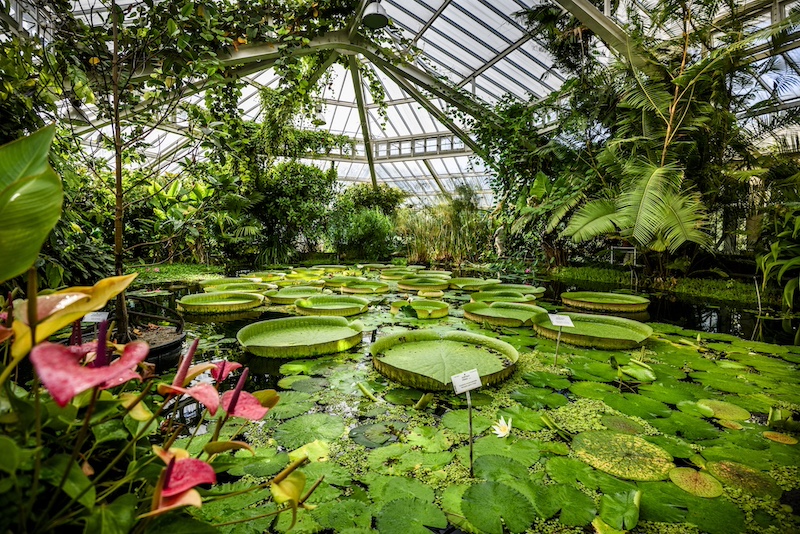
At Meise Botanic Garden, a single visit feels like a journey around the world. Covering 92 hectares, this botanical haven is among the largest in the world and home to around 18,000 plant species. Visitors can explore medicinal plant collections, a rose garden, and the impressive Plant Palace, a complex of eleven greenhouses including the iconic Victoria House.
At the heart of the estate stands Bouchout Castle, whose origins date back to the 12th century. It was extensively renovated around the time of the French Revolution, when the surrounding landscape was redesigned with ponds and enriched with exotic plants. The castle was later home to Princess Charlotte, sister of King Leopold II and former Empress of Mexico, whose dramatic life story still lingers within its walls.
While the castle is rich in history, the garden remains the main attraction. The Plant Palace takes visitors across climates and continents, from arid desert landscapes to lush tropical rainforest and savannah environments. Spring and summer are particularly spectacular, when outdoor flowers are in full bloom, but the site offers a unique experience in every season.
Among the highlights are the giant water lilies, famous for their strength, and the themed outdoor gardens, including culinary, medieval, and rose gardens, as well as a flower theatre. An hour is barely enough to explore the greenhouses alone, and visitors should allow additional time to discover the wider park.
Easily accessible from Brussels by bus or car, Meise also connects to surrounding walking and cycling routes, making it an ideal starting point for a countryside excursion. Nearby towns such as Grimbergen and Vilvoorde offer opportunities to extend the visit with heritage and cultural stops.
Gaasbeek Castle and its museum garden
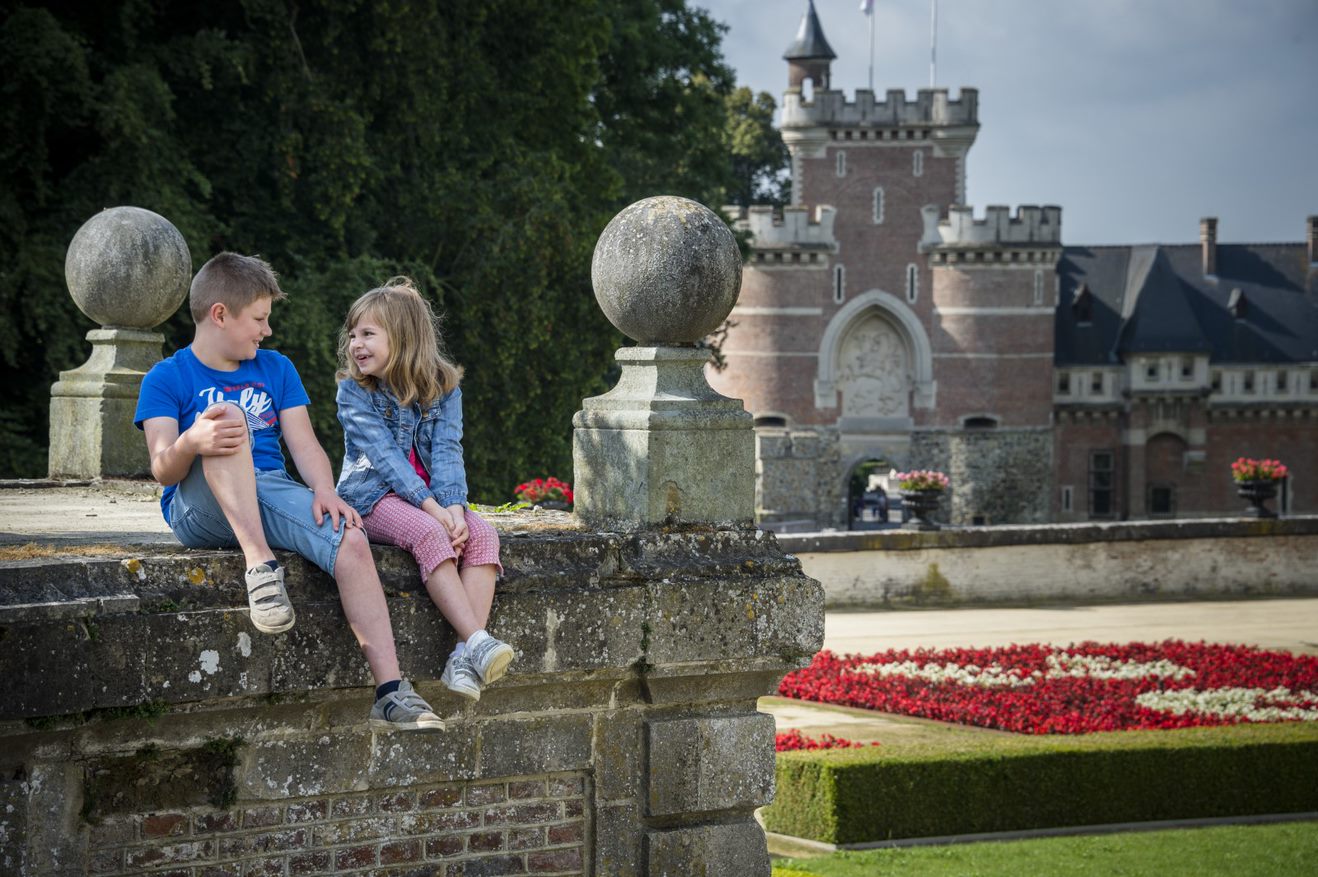
Originally built in 1236 by Godfrey of Leuven as a defensive stronghold, Gaasbeek Castle was later transformed into a romantic neo-Renaissance residence by Marquise Arconati Visconti. She filled it with art, fine metalwork, and stained glass, before donating it to the Belgian state in 1923.
Today, visitors can step into her vision inside the castle, and outside wander through an expansive park dotted with a pleasure pavilion, a triumphal arch, and the remarkable museum garden.
The garden itself tells a fascinating story of horticultural excellence. In centuries past, the castle’s residents relied entirely on what was grown on the estate, enjoying produce cultivated without modern pesticides or chemicals. Their gardeners were among the most skilled of their time, attracting learners from across Europe eager to master advanced growing techniques.
That legacy continues today. The Gaasbeek Museum Garden recreates the spirit of 18th and 19th century castle gardens, with rare fruit trees, forgotten vegetables, and ornamental plants. Its collection of espaliered fruit trees is particularly distinctive, while informational panels explain traditional cultivation and preservation methods, from beekeeping to historic fruit storage.
The wider area also invites exploration. Visitors can easily turn their trip into a full day by combining the castle with nearby green spaces such as Groenenberg Park or the renowned rose gardens of Coloma, especially striking in early summer.
Park of Tervuren
Once the hunting grounds of the Dukes of Brabant, the Park of Tervuren is now an elegant landscape park covering 205 hectares. Visitors can stroll along ponds through a neoclassical French garden, wander into the Warande forest with its ancient oaks and beeches, and encounter traces of noble history, including the baroque St Hubert Chapel dating from 1617 and the remains of the ducal palace.
On the edge of the park lie the AfricaMuseum and the Tervuren Arboretum, where around 700 tree species from the northern hemisphere can be discovered.
The park is easily accessible from Brussels via Tram 44, a scenic route that combines heritage and nature.
Tervuren also serves as a gateway to the Brabantse Wouden National Park. Stretching from the Hallerbos to the Sonian Forest and the Meerdaal Forest, this vast natural area covers more than 10,000 hectares. Dense forests, winding rivers, and open landscapes create a rich and biodiverse environment, offering countless opportunities for walking, cycling, and reconnecting with nature.
Whether you are looking for a peaceful walk, a cultural discovery, or a full day immersed in nature, the parks and gardens around Brussels offer a rich and varied escape. Just a short distance from the capital, these green spaces reveal another side of the region, where heritage, biodiversity, and tranquillity come together in every season.