

Ryanair has announced plans to remove five aircraft from its base at Brussels South Charleroi Airport and cut two million seats from its Belgian network. The reductions will affect the airline’s schedules at both Charleroi and Brussels Airport, also known as Zaventem. They will apply during the Winter 2026–2027 and Summer 2027 seasons. The Irish low-cost airline says the decision is a direct response to the Belgian government’s plans to increase the country’s federal aviation tax.
From 1 January 2027, the tax on departing flights longer than 500 kilometres will rise from €5 to €7 per passenger. This represents a 40% increase compared with the current rate. The government had initially planned to raise the charge to €10 but reduced the increase following pressure from airlines, airports and regional authorities. Flights of less than 500 kilometres are already subject to a €10 tax, meaning the amount passengers pay depends on the distance of their journey.
Despite the government’s compromise, Ryanair continues to call for the federal tax to be abolished entirely. The airline argues that the charge makes Belgium less competitive than European markets where aviation taxes and airport charges are being reduced or removed. It says the aircraft withdrawn from Charleroi will be transferred to countries where operating costs are lower. However, the company has not yet revealed which Belgian routes or frequencies will be affected.
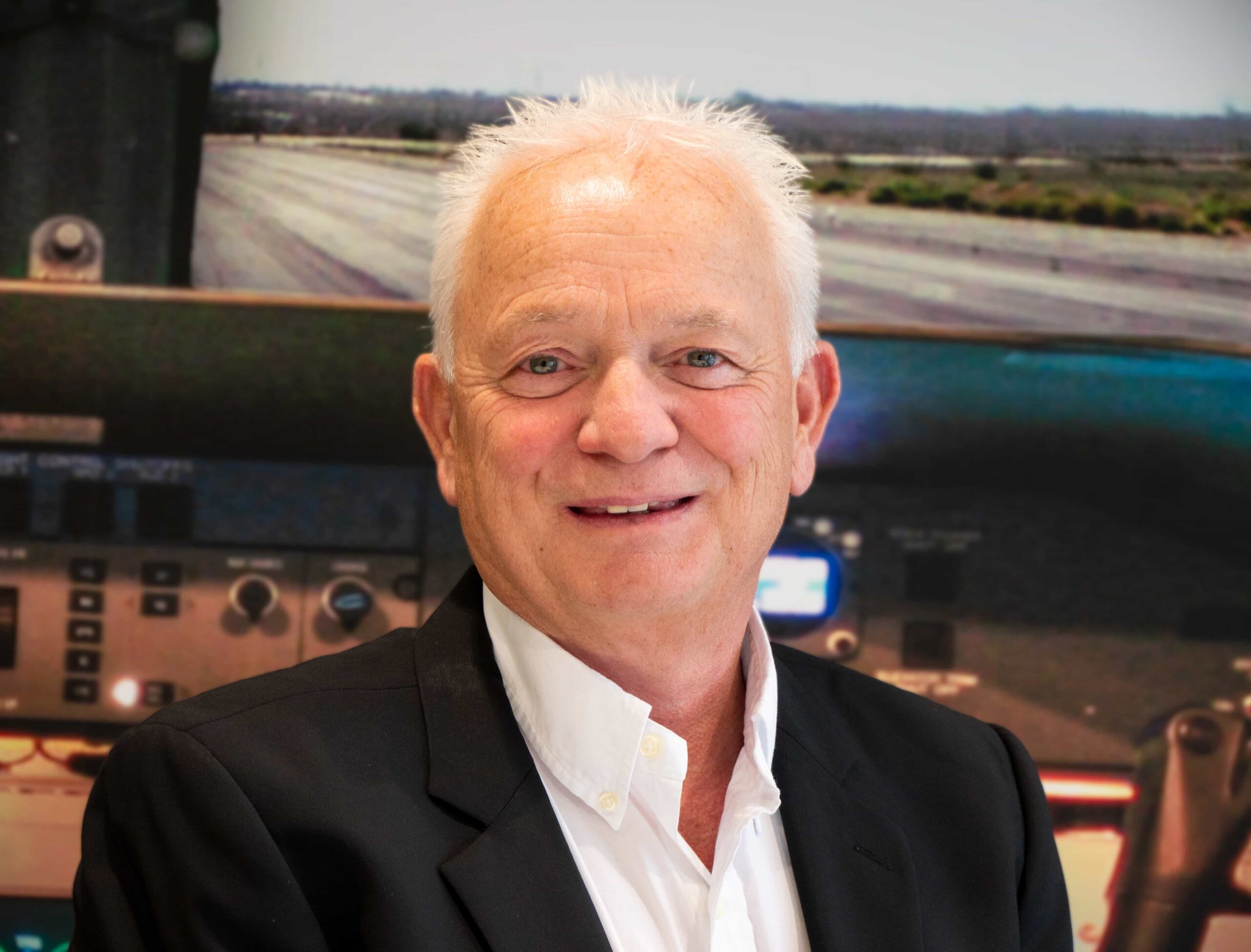
“We warned Prime Minister De Wever that an increase in Belgium’s aviation tax would lead to a decline in traffic, but he did not listen,” said Ryanair CEO Eddie Wilson. “As a result, Ryanair will remove five aircraft from its Charleroi base and cut two million seats from its Charleroi and Zaventem schedules for Winter 2026 and Summer 2027.” The airline claims the reduction will also affect tourism and employment in Belgium. No specific redundancies or confirmed estimates of job losses have been announced.
The changes will begin when the Winter 2026–2027 aviation season starts at the end of October, more than two months before the new tax comes into force. Airlines normally prepare and finalise their schedules several months in advance, meaning decisions about aircraft and routes must be made before a tax starts to apply. However, the timing has also raised questions about whether the tax increase is the only reason for the reduction. Ryanair had already threatened to remove the same five aircraft when the government was still planning to increase the tax to €10.
“Ryanair always has between 11 and 18 aircraft at Charleroi,” aviation economist Wouter Dewulf of the University of Antwerp told Belgian broadcaster VRT. “In winter, it traditionally withdraws aircraft because demand is lower or because the aircraft require maintenance.” Charleroi also remains one of Ryanair’s most profitable bases, according to Dewulf, making a complete withdrawal from the airport unlikely. He expects some weaker routes outside the airline’s main winter network to be discontinued in the coming months. These routes may no longer be profitable due to higher fuel prices and the effects of the continuing conflict in the Middle East. Ryanair’s profit reportedly fell by 34% to €593 million during the most recently reported quarter, with rising fuel costs putting additional pressure on its results.
The dispute follows an earlier confrontation over a separate regional passenger tax at Charleroi. Wallonia had considered charging €3 for every passenger handled by the airport, with the measure expected to raise around €15 million per year. Ryanair responded by threatening to cut one million seats from its Summer 2026 schedule. After the Walloon government abandoned the proposal, the airline restored its full Charleroi schedule, promising 7.5 million seats, 112 direct connections and a 9% increase in capacity.
That reversal did not end Ryanair’s separate dispute with the federal government. In December 2025, the carrier announced plans to cut around one million seats during Winter 2026–2027 in response to the proposed €10 federal charge. The latest announcement extends the reductions into Summer 2027, bringing the stated total to two million seats across the two seasons. The figure refers to capacity that Ryanair will not put on sale and does not mean two million existing passenger bookings have been cancelled.
At the time of the announcement, neither the Belgian federal government nor Brussels South Charleroi Airport had issued an official response. It also remains unclear how the two million-seat reduction will be divided between Charleroi and Zaventem. Ryanair currently carries around 11.6 million passengers per year across its Belgian network. Travellers will need to wait for the airline’s detailed schedules to learn which destinations and flight frequencies will be removed.