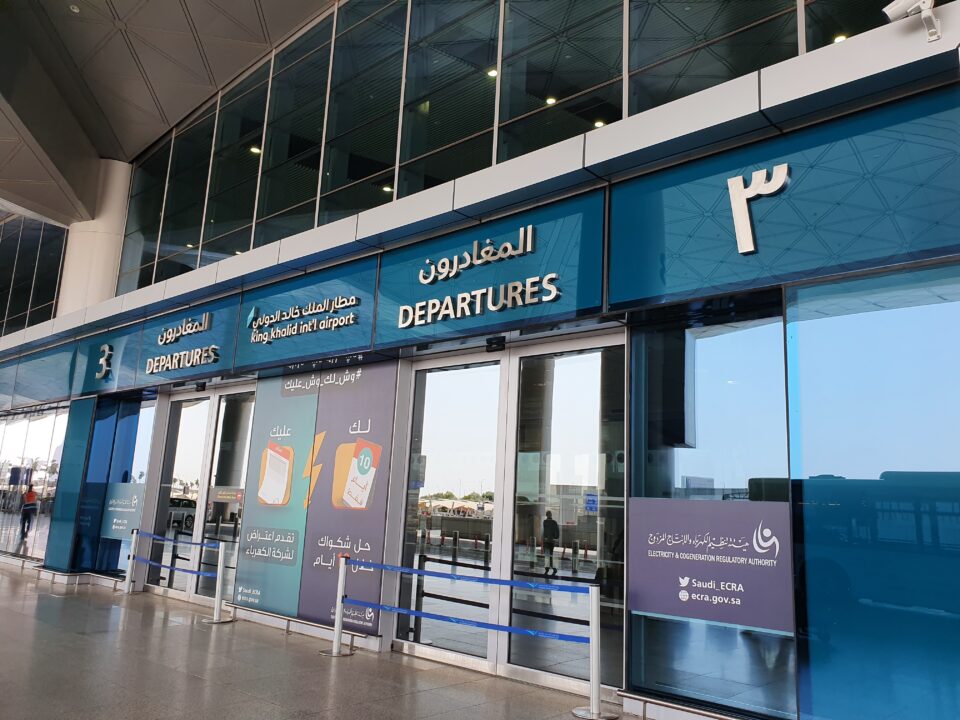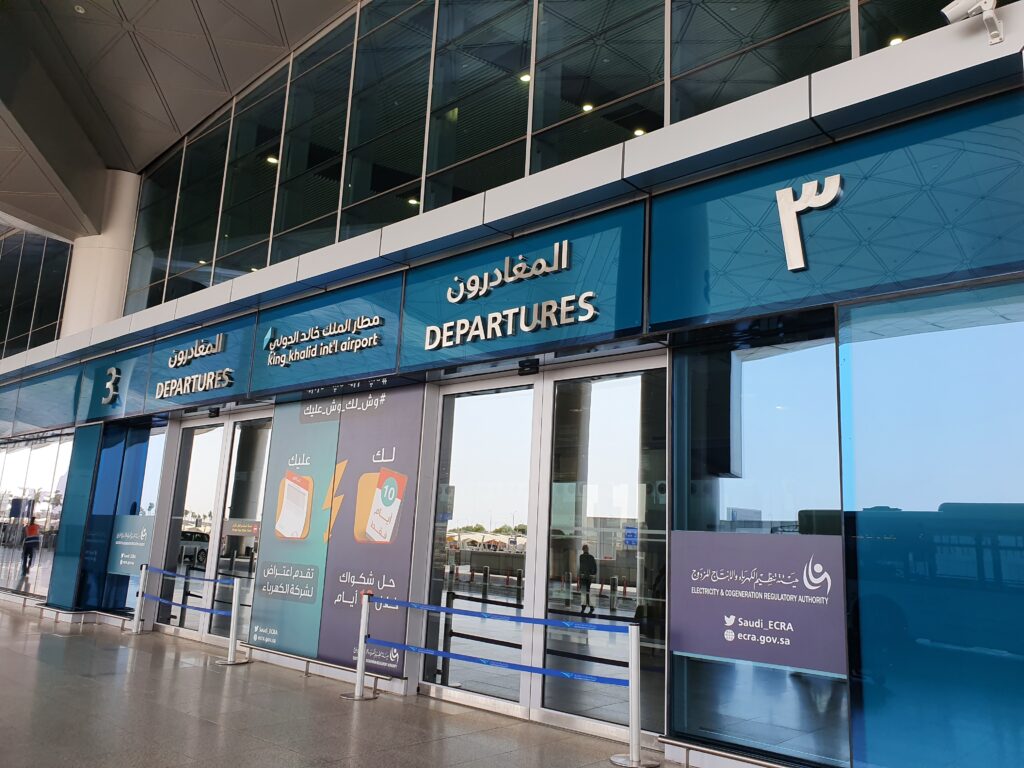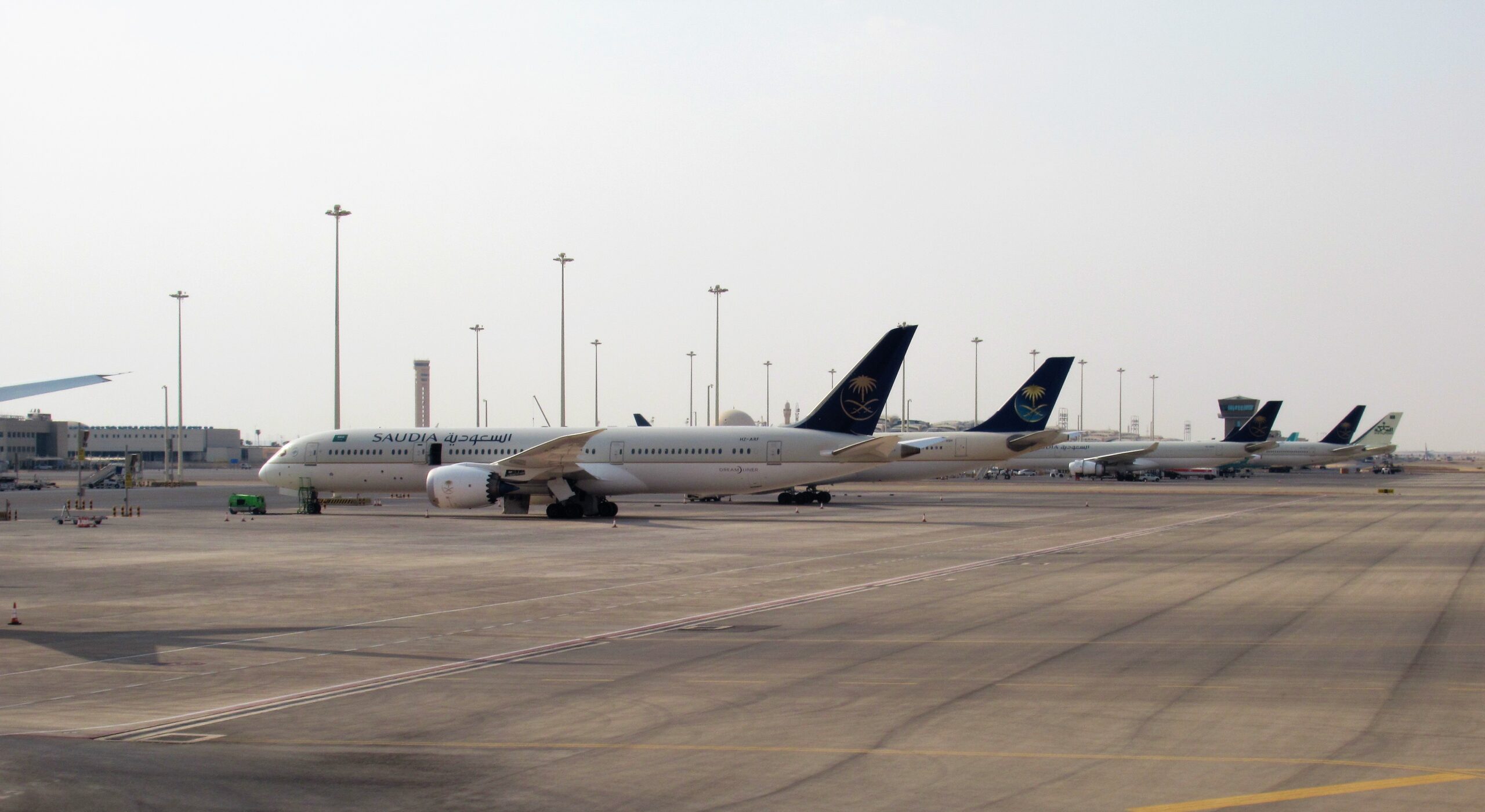



As Saudi Arabia’s King Khalid International Airport in Riyadh was struck by a series of four attacks in under a week, aviation authorities have been warning against operating in the country. Several airlines have already suspended their flights to Saudi Arabia following the events.
Over the past week, Yemen’s Iran-aligned Houthis have claimed four attacks on King Khalid International Airport in Riyadh, including what is considered to be the deadliest attack in Saudi Arabia in over a decade.
The Houthis have been warning people against travelling to the country, and operations at King Khalid Airport have been temporarily suspended due to security reasons. Following the closure of the airport, all flights to Riyadh have been suspended or diverted at the moment of writing.
#Statement | Extending suspension of operations at King Khalid International Airport in Riyadh. https://t.co/O6Ua5y9un5
— هيئة الطيران المدني (@ksagaca) October 12, 2026
Moreover, governments around the world are warning their citizens against travelling to Saudi Arabia. The United Kingdom, the United States, Australia, Germany, and Canada are just some of those who have updated their travel advice following the attacks.
Airlines, too, are taking their precautions. Lufthansa Group, for example, was one of the first to react and suspended all flights to Riyadh from 8 to 16 October 2026. It is unclear whether or not that suspension will be extended if the King Khalid International Airport in Riyadh reopens by then.
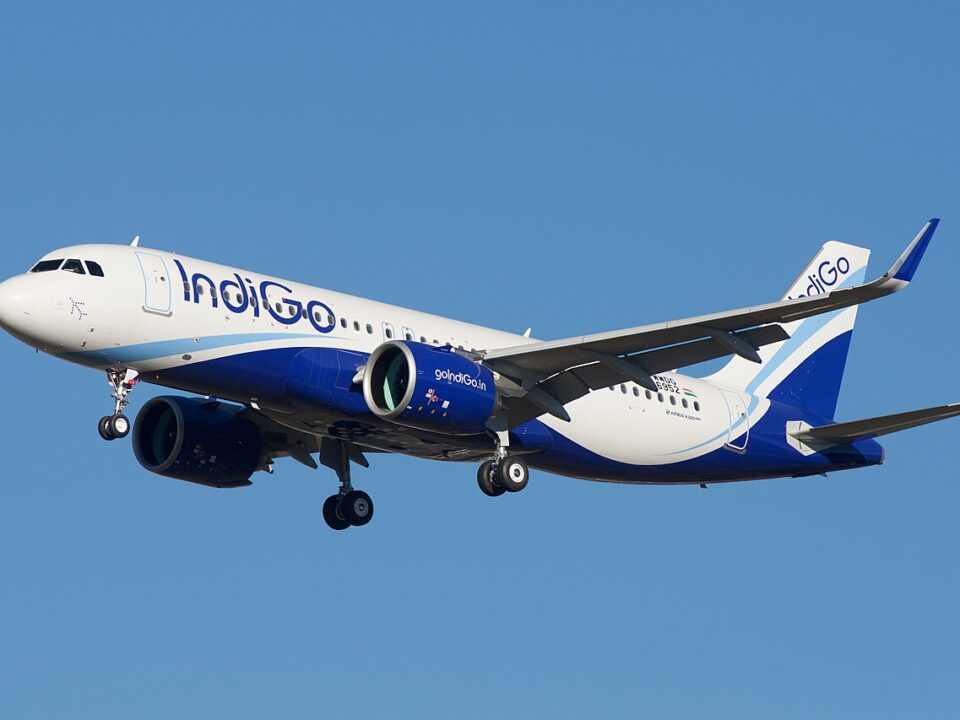
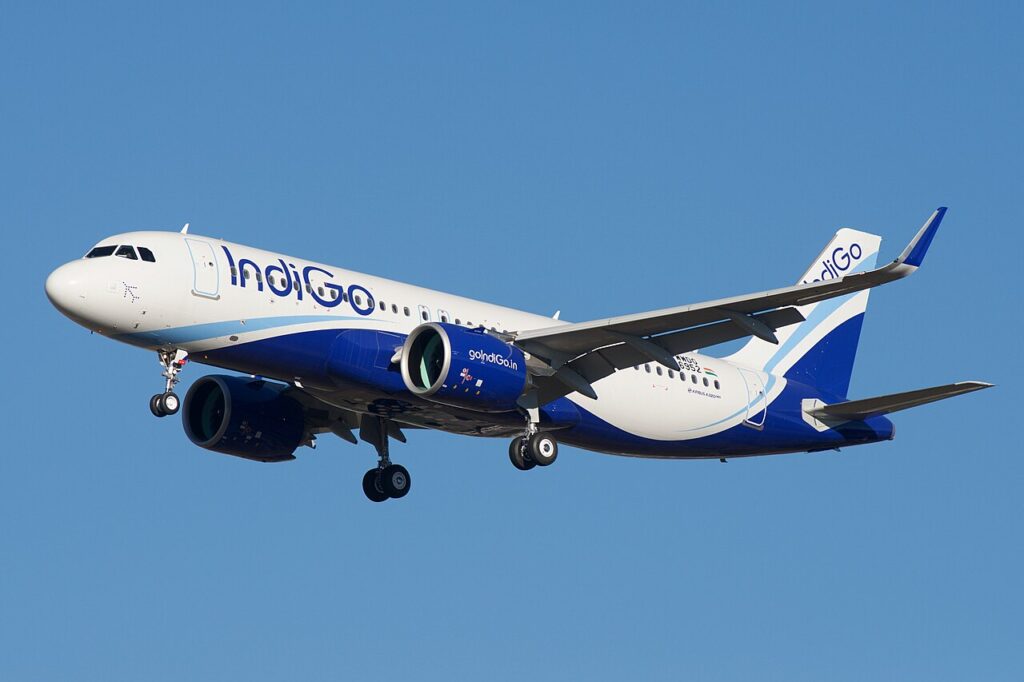
India’s largest airline IndiGo, Air India, and Akasa Air were also quick to take action once the news broke about the first attacks on the airport. At the moment of writing, IndiGo plans on resuming its flights once the airport reopens, while Air India and Akasa Air have suspended their flights until 14 and 13 October, respectively.
#TravelUpdate: October 11, 2026 | 15:00 IST In view of the escalating security situation in the Middle East and the associated risks to safe flight operations, Akasa Air has extended the suspension of all flights to and from Riyadh and Jeddah until October 13, 2026. This decision follows a careful assessment of the evolving situation, with safety remaining the primary consideration. We continue to closely monitor developments and assess the situation in real time. Passengers affected by these cancellations may opt for a full refund, which will be credited to the original source of payment within seven days, or reschedule their travel at no additional cost. Passengers who have booked through travel partners are requested to contact them directly for assistance. The safety and well-being of our passengers and crew remain our highest priority.
— Akasa Air (@AkasaAir) October 11, 2026
Many European airlines suspended their flights to Saudi Arabia following an updated advisory by EU aviation safety regulator EASA published on 9 October.
“These recurrent missile and drone attacks, together with the activation of air-defence systems, create an increased risk of misidentification of civil aircraft, as well as risks associated with missile and drone overflights, interception activity and falling debris,” said EASA.
In its turn, OPSGROUP, a global collaborative network gathering international flight operations professionals, issued a ‘do not fly’ warning on 9 October.
“We now recommend avoiding operations in Saudi Arabia entirely, including the use of Saudi airports as en route alternates,” the warning read.
https://t.co/IpjRJgsmCB
— مطار الملك خالد الدولي (@KKIASA) October 10, 2026
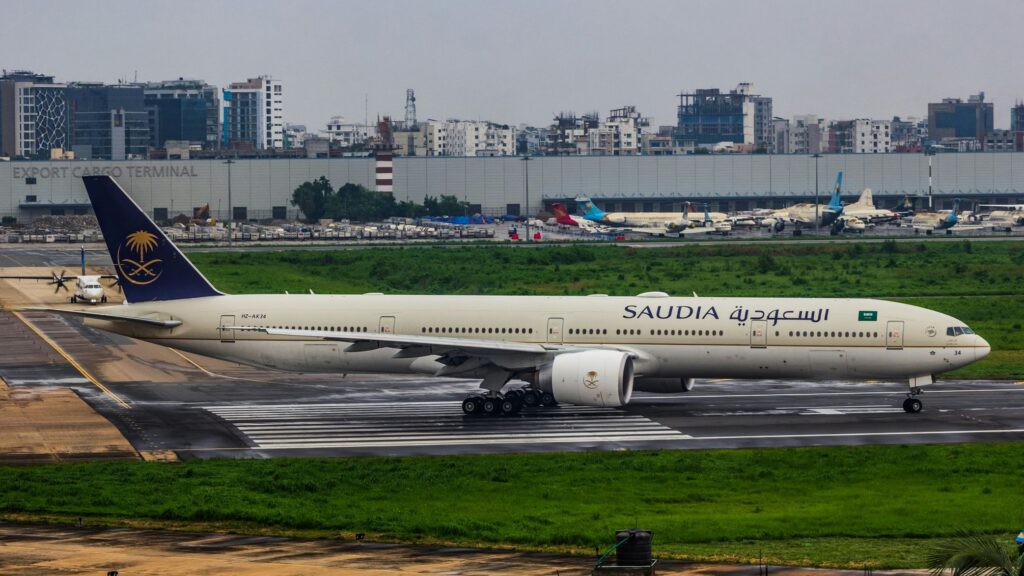
Ever since, several other airlines have followed and have decided to temporarily suspend their operations in Saudi Arabia. Air France has cancelled flights to and from Riyadh until 24 October, British Airways has suspended all Riyadh operations until 3 November, Cathay Pacific has cancelled all passenger flights to Riyadh until 31 January, KLM will not be flying to Riyadh before 24 October, and Singapore Air has planned no non-stop flights until 28 March 2027.
Many other airlines are planning to resume their flights to Riyadh when the airport reopens at the moment of writing, and U.S. airlines are told to exercise caution when flying over Saudi Arabia. However, depending on the developments, other airlines might decide to suspend their operations or to extend their no-fly period.