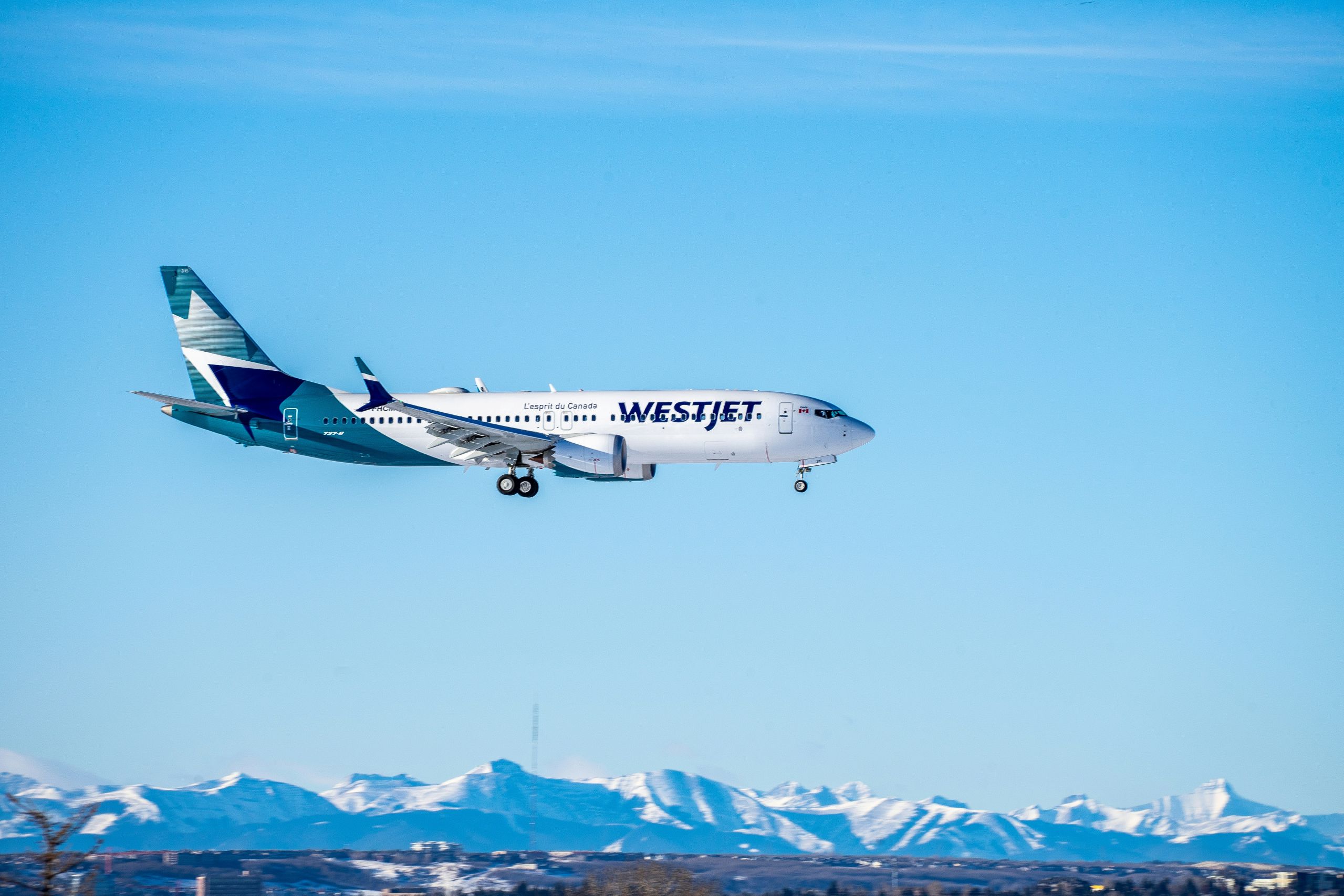


A pilot working for Canada’s second largest airline, WestJet, has drawn attention to fuel wastage caused by long taxiing times at Seattle-Tacoma International Airport, after burning 800lbs (nearly 363 kilograms) of jet fuel just to reach a take-off runway.
WestJet flight WS1553 to Calgary International Airport was due to depart Seattle at 10:30 am, local time, but delays meant it did not push back from its gate until just after 1:00 pm, according to Simple Flying’s tracker. After the initial delay, the aircraft and its passengers then had to undergo over half an hour more of ground manoeuvres and taxiing to reach the designated departure runway, not taking off until 1:35 pm.
A Boeing 737-800 taxiing for such a long time burns a considerable quantity of fuel—over 362kg, or enough for eight minutes’ flight time at a steady cruise, according to FlyAwaySimulation.com. Although that might not get you far (around 110km, or the distance between Brussels and Lille for example), it is in fact so much fuel that the aircraft in question would not have legally had enough supplies for its journey, if the pilot had not shown the foresight of ordering extra fuel at the outset, for precisely such a taxiing eventuality.
The pilot had been able to predict the situation and request more than the standard amount of fuel because excessive taxiing is a known risk at Seattle-Tacoma, where long taxi times seem to have become the norm due to the closure of one of its three parallel runways. (The middle runway, 16C/34C, will remain out of action until 15 November 15 2026, due to construction work.)
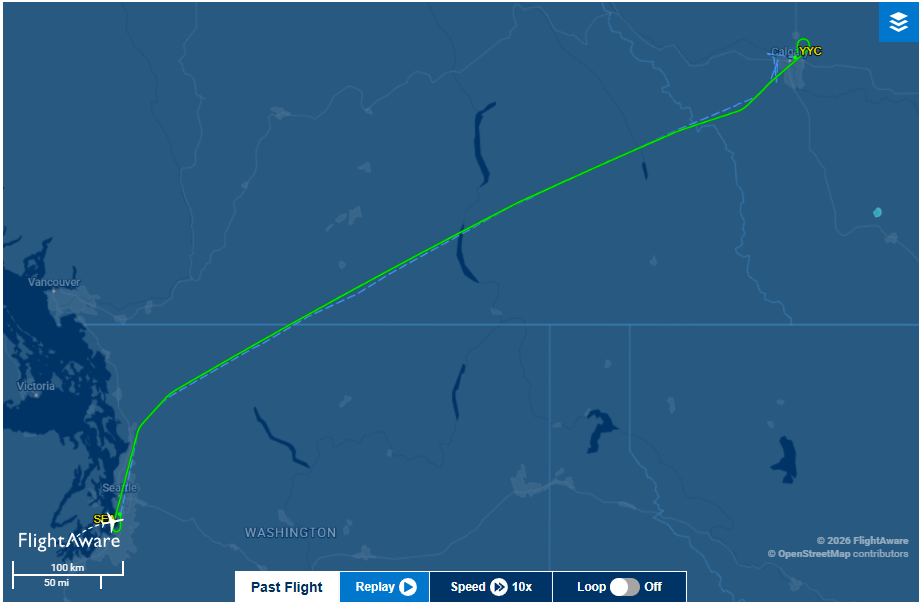
On this occasion, Airlive first reported the pilot’s acerbic remarks about the situation, with him saying the wasted fuel burn was “pretty classic” for Seattle-Tacoma International. While the problem is clearly well-known to pilots operating there, the incident “highlighted a growing operational risk” for North American carriers (and those elsewhere) Airlive notes, at a time when they are under considerable cost and efficiency pressures.
As Simple Flying stated, the episode also showcases the important role airline crews can play in “anticipating potential ground delays, and the need to consider additional fuel to avoid gate returns or further disruption.” If the pilot had not ordered the extra fuel supply, after a three-hour delay and a 30-minute taxi, the plane would have been forced to turn back around and return to the gate to refuel—causing passengers even more considerable inconvenience, as well as potential reputational damage to the airport and airline involved.