

As Matt Callaghan, easyJet Holidays’ Chief Operating Officer, affirmed at the ICRT‘s global annual conference, “the places we call destinations, other people call home.” Too often, businesses, marketers and politicians, and local government officers forget or ignore this. In the 2002 Cape Town Declaration on Responsible Tourism in Destinations, the founding document of the Responsible Tourism movement, our intent was clearly stated: “To make better places for people to live in, and better places for people to visit.”
Those taking responsibility to make tourism better, put the interests of the resident communities, their history, cultural and natural heritage first. The world’s diversity, without which there would be no travel and tourism sector, is a consequence of how different groups of humans have interacted with diverse natural environments, creating cultural heritage over millennia.
The Responsible Tourism agenda, presented in the 2022 Charter, is broad, ranging from global issues like greenhouse gas emissions and plastic pollution, local employment and sourcing, to having an inclusive offer for all who may wish to visit and creating meaningful and respectful memories and connections.
In the Responsible Tourism Awards each year, we see great examples of businesses and destinations taking responsibility, making tourism better and thriving. More and more businesses and destinations are recognising that there is a strong business case for taking responsibility:

No business or destination can do everything – choices must be made:
- What are the issues locally where you operate? Talk with the local communities.
- Can you address greenhouse gas emissions and plastic waste?
- Explain to customers, suppliers and other businesses why you have chosen to take responsibility
- Set goals, measure and report the impact of your efforts – be sure to get the credit and avoid misselling.
Each year, we see more and stronger applications in the regional awards. The judges have a tough time choosing the Gold winners from amongst the Gold regional award winners – we honour all of the finalists, celebrating the global changemakers.
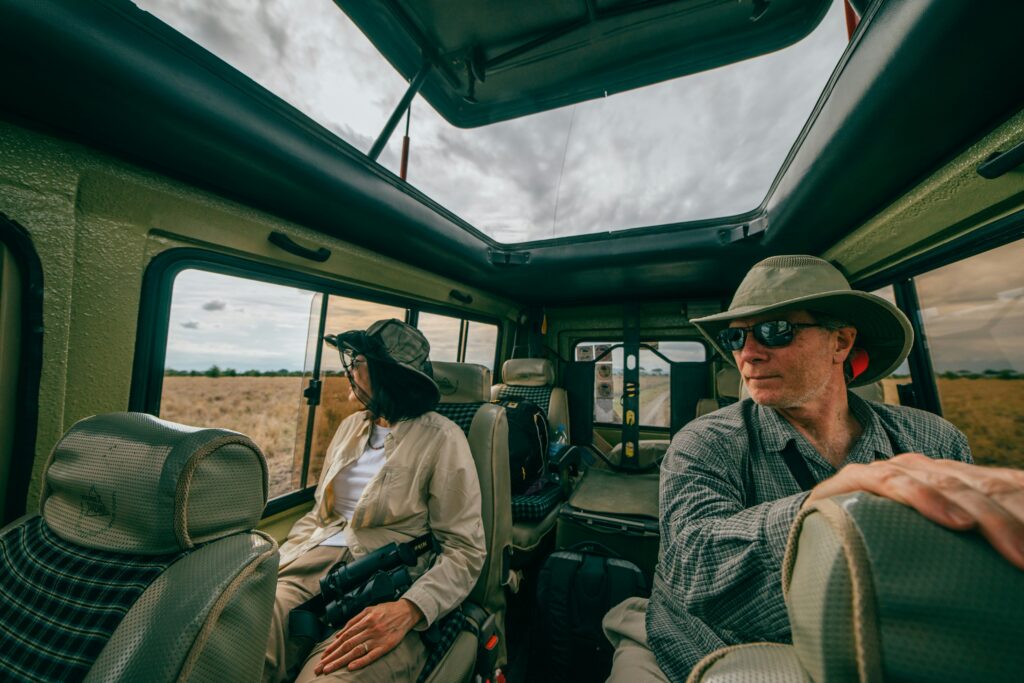
There were many outstanding finalists, and Travel Tomorrow reported on the winners earlier this week. This year, for the first time, we had a category for All Inclusives with two outstanding gold winners. Club Marvy, in Özdere, Turkey, views sustainable gastronomy as a core value and adopts local supply policies to strengthen the local economy, promote healthy living, and contribute to environmental protection and the preservation of traditional agricultural practices. Foxes Safari Camps, Tanzania, operates an impressive all-inclusive tourism model that prioritises sustainability and community development across its Tanzanian properties.

All Inclusives have been criticised by academics and many in the industry for years, but they can offer, and many do, stable employment, major local economic benefit through local sourcing and an opportunity for many to have a holiday knowing how much it will cost and that they can afford it.
As Matt Callaghan pointed out this week, the “real test” for Responsible Tourism is “whether mainstream companies, moving millions of people every year, embed responsibility into how they operate every day. That’s when it counts.” As Matt says, we need to move “from pilot projects to mainstream transformation…. it comes back to responsibility in its simplest form: choose one thing in one place and make it better this year.”
Be inspired by the Awards, take responsibility, make tourism better, and be a changemaker.
The Categories for the 2026 Awards are on the icrt.global website, and they will open next week.