Casa Batlló, Antoni Gaudí’s iconic modernist landmark in Barcelona, has opened a dedicated contemporary art gallery situated on the building’s second floor. The 230-square-metre space, dubbed Casa Batlló Contemporary, has been carefully restored and reimagined by Barcelona-based architecture studio Mesura. The floor, formerly used as private apartments and later as a conservation workshop, has now been opened to the public for the first time.
Speaking to Dezeen, Mesura co-founder Carlos Dimas said: “It was an honour that they chose a Catalan architect from Barcelona, and that they considered us the right partners for this project — we are truly grateful.”
The inaugural exhibition, “Beyond the Façade,” by London-based collective United Visual Artists (UVA), led by Matt Clark, will run until 17 May 2026. This immersive installation will explore life cycles through light and movement, drawing inspiration from the ‘Ars’ system of 13th-century Mallorcan philosopher Ramon Llull, which sought to reveal “the hidden order” of the world through logic and geometry — a vision shared by Gaudí. The project reflects “a journey from natural light to darkness, exploring cycles of day and night, order and disorder.”
“Ramon Llull was trying to rationalize the reason why God existed through rationalizing nature and understanding mathematically: if nature existed then God existed. And so did Gaudí with his work,” Maria Bernat, the Head of the Art Program at Casa Batlló, said to CatalanNews.
Mesura’s design approach was to engage in a dialogue with Gaudí’s work rather than “mimicking him,” while still preserving the maestro’s language, atmosphere, and colour palettes. The gallery features a rippling metallic ceiling, inspired by a drop of water on a calm lake, and a microcement floor that, upon completion in May, will reflect the green hues of the building’s renowned mosaic façade. Original elements such as woodwork and stained glass have been carefully preserved, ensuring the space remains true to Gaudí’s spirit of innovation and craftsmanship.
“Gaudí has always been a researcher and an innovator; he tried to get the latest technology and the latest material,” Dimas explained. “He had this prototyping system of trying to see where the structure was breaking out, trying to design it until the breaking point, and always innovating with shapes, geometries and materials,” he continued. “So it was absolutely a Gaudían attitude that inspired us on the project.”
Visitors can access the new gallery as part of the full Casa Batlló tour or with a standalone ticket. Casa Batlló Contemporary plans to host two exhibitions annually, fostering a dialogue between Gaudí’s legacy and contemporary artistic expression. This initiative positions Casa Batlló not only as a historical landmark but also as a dynamic cultural hub in Barcelona’s vibrant art scene.
The renowned building has also worked with other leading architects in recent years, including Japanese architect Kengo Kuma, who previously designed a sculptural mesh curtain for a new staircase inside the historic building.
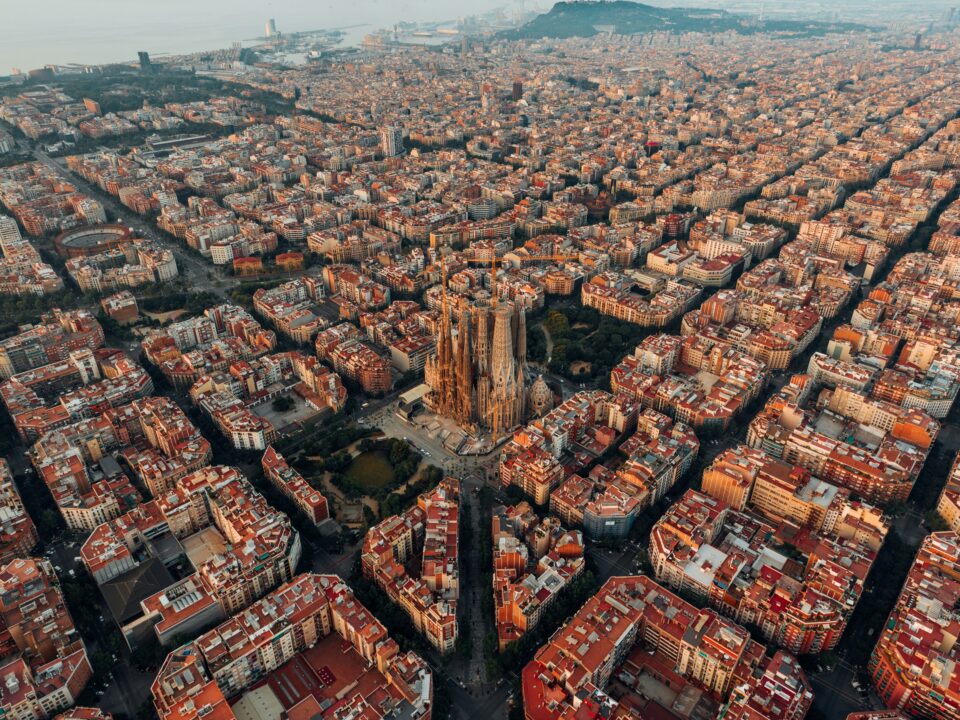
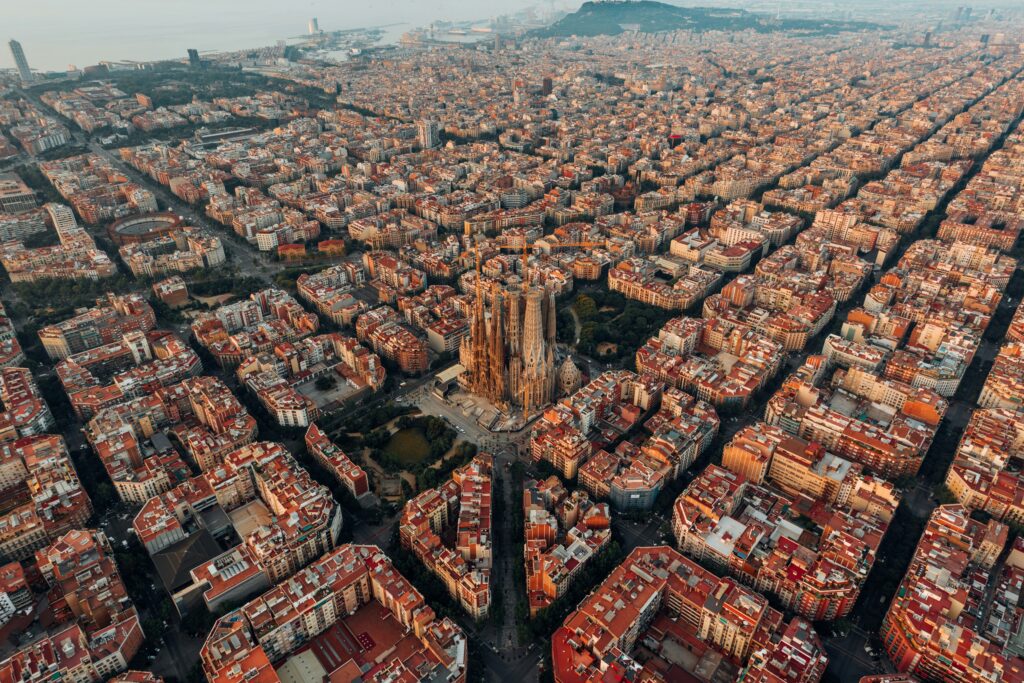
The opening of Casa Batlló Contemporary coincides with the centenary of Gaudí’s death and Barcelona’s designation as the 2026 World Capital of Architecture. This initiative is part of a broader program of events honouring Gaudí’s legacy throughout the year, including public projection mapping displays, alongside the recent completion of the Sagrada Familia, now the tallest church in the world.
Tickets for “Beyond the Façade” are available through Casa Batlló’s official website, with discounts for students, seniors, and children. The exhibition is open daily from 09:00 am to 08:45 pm.