


The Spanish city of Vigo is set to introduce a new tourist tax starting in October 2026. Visitors staying overnight will have to pay up to €2 per person per night, depending on the type of accommodation they choose. The measure is part of a wider effort by local authorities to better manage growing tourism numbers. Officials also aim to generate additional revenue that can be reinvested in the city and its infrastructure.
The tax will not be applied all at once but will instead be introduced gradually. From October 2026 until 1 July 2027, visitors will only pay the charge for the first two nights of their stay. After that date, the tax will apply to a maximum of five nights per visit. Cruise passengers will also be included, although their contribution will only come into force from July 2027. This phased approach is designed to ease the transition for both tourists and the local tourism sector.
@daremapp Explore Vigo like never before! Here are the must-see places you can't miss: 🌿 Jardín das Avenidas: An ideal green space to relax in the heart of the city. ⛪️ Church of Santiago: A historical treasure full of art and spirituality. ⚓ Port of Vigo: The maritime heartbeat of the city, with its life and breathtaking views. 🏰 Iglesia de la Victoria: Architectural beauty that tells stories of centuries past. 🏠 Pazo Quiñones de León: A palace of art, history and lush gardens. 🏙️ Casco Viejo: Charming streets, full of history and tradition. Rande Bridge: Majestic structure that connects Vigo with the Atlantic and offers spectacular views. Vigo has it all! Are you ready to experience it? 💙 #Vigo #DescubreVigo #RinconesDeVigo #ViajeVigo ♬ sonido original – DareMapp
The amount visitors pay will depend on where they stay. Guests in five-star hotels will pay the highest rate of €2 per night, while those staying in three- and four-star hotels will be charged €1.60. Visitors choosing one- or two-star accommodation, as well as cruise passengers, will pay €1.20 per night. The lowest rate of €0.80 will apply to hostels, campsites, tourist apartments and rural accommodation. This system means that the cost is linked to the level of comfort and services provided.
Not everyone will have to pay the new tax. Residents of Vigo will be exempt, as well as children and people with disabilities. There are also plans to allow exemptions for visitors travelling for health reasons or those taking part in certain social programmes. Local authorities have indicated that some of these details are still being finalised.
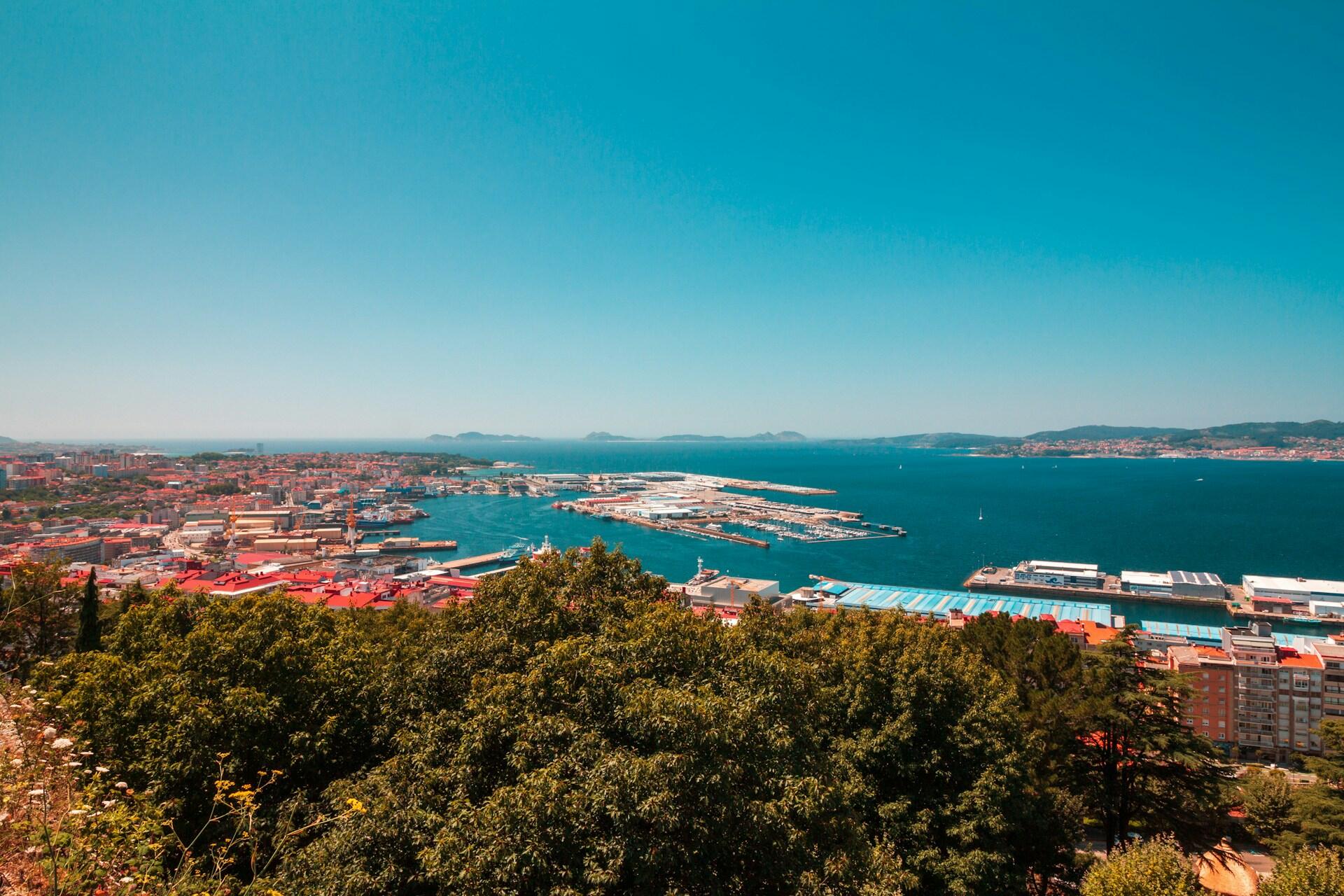
Vigo is a popular destination in the northwest of Spain, known for its coastal setting and lively atmosphere. The city offers access to dozens of beaches and is close to the Cíes Islands, a protected natural area. One of its beaches, Rodas Beach, has previously been described as one of the best in the world. Vigo is also famous for its large-scale Christmas light displays, which attract visitors from across Europe each year. In addition, the city has a strong reputation for fresh seafood thanks to its busy fishing port.
@visitspain Paradise off the Galician coast 🌊🏝️ Crystal waters, golden beaches, and untouched nature await at Islas Cíes. #VisitSpain #ThinkyouknowSpain #SpainSustainable #Galicia #Pontevedra ♬ sonido original – visitSpain
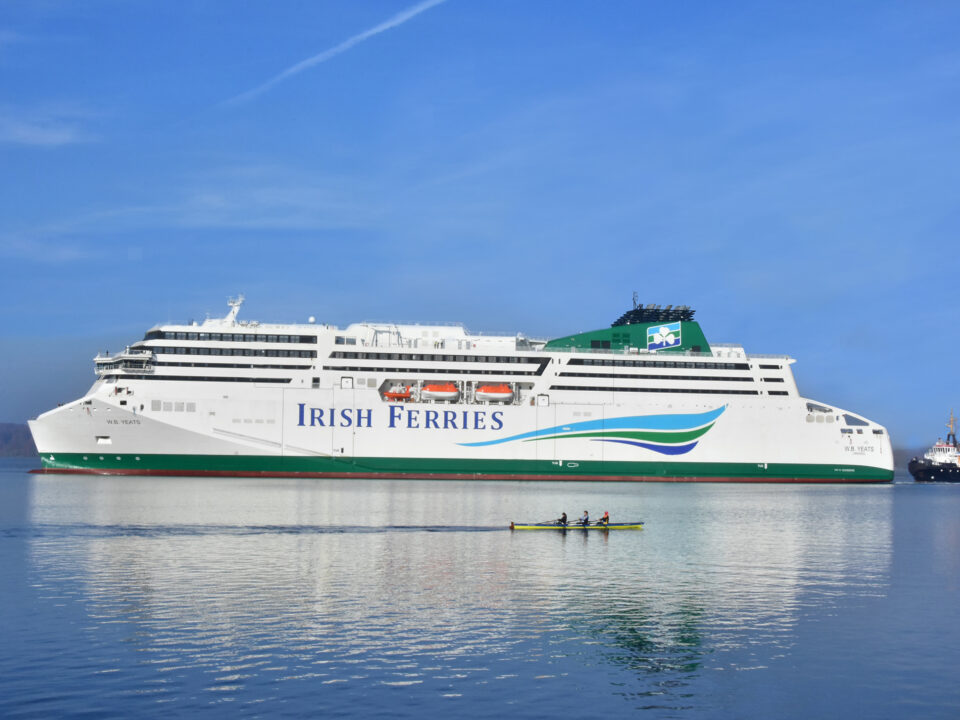
Tourism plays a major role in the local economy, especially through cruise travel. The port of Vigo regularly welcomes large ships carrying thousands of passengers at the same time. This can put pressure on public spaces, transport and the local environment, particularly during peak periods. By introducing a tourist tax, the city hopes to better manage these impacts. The additional income could also support maintenance and improvements in areas frequently used by visitors.
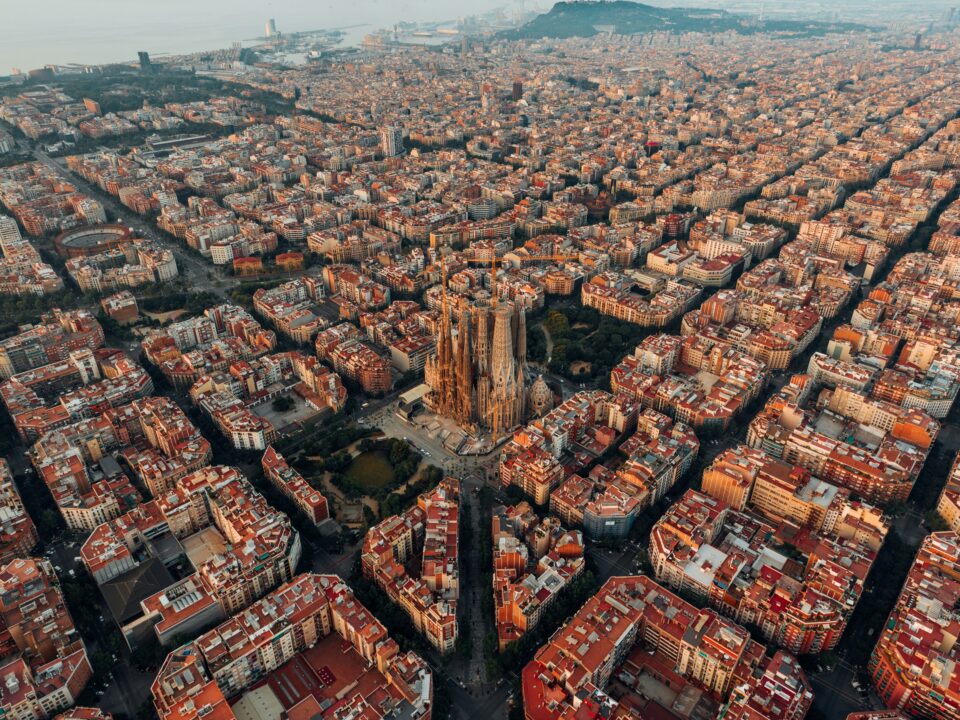
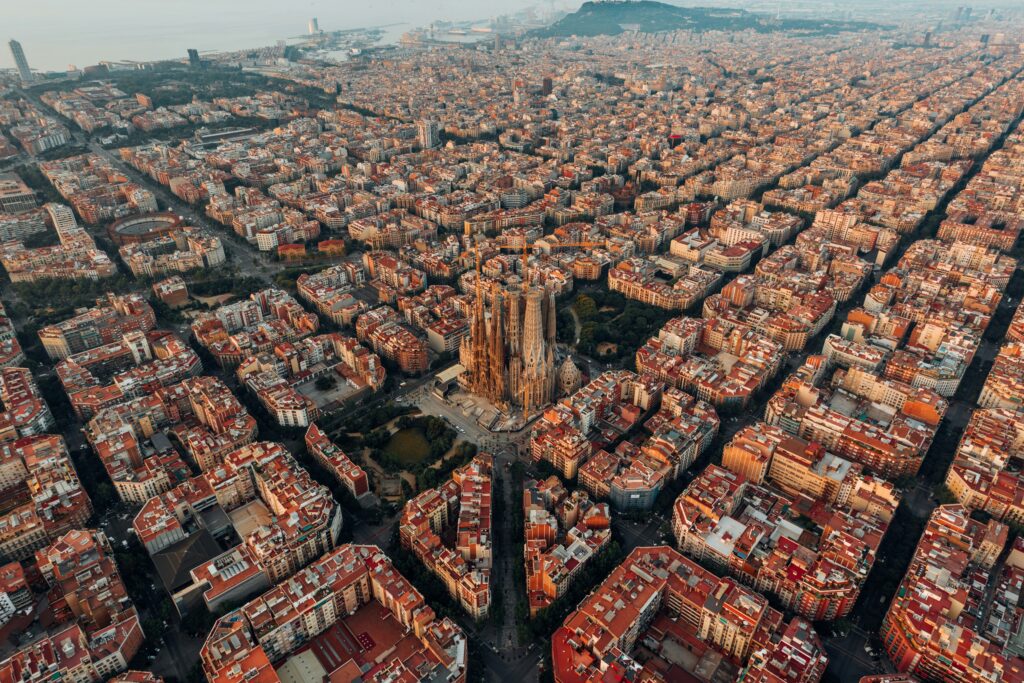
The move follows a broader trend seen across Spain and beyond. Cities such as Barcelona have already introduced or increased tourist taxes in recent years. In some cases, visitors pay both regional and local charges, which can significantly increase the total cost of a stay. Similar measures are being adopted in other parts of Europe as destinations look for ways to deal with overtourism. In this context, Vigo is becoming one of the latest cities to introduce a system that asks visitors to contribute directly to the places they visit.