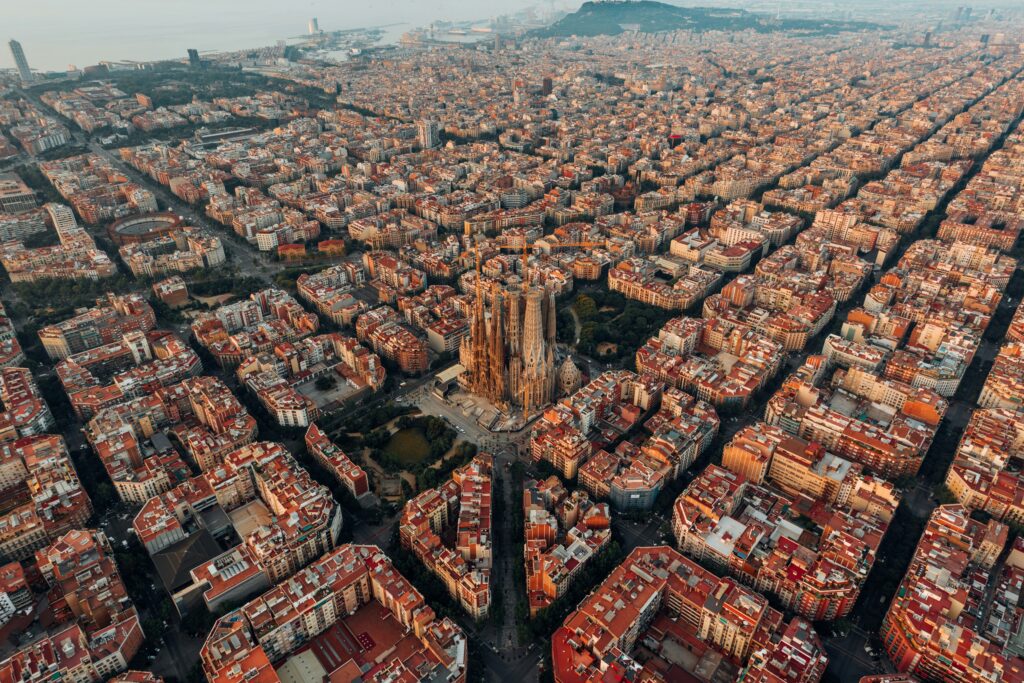
Visitors to Barcelona will pay double the overnight tax from April 2026 after measures introduced by Catalonian regional authorities to reduce tourist numbers and raise funds to address the ongoing housing and affordability crisis in the city.
Representing what is set to be one of the highest tourism taxes in Europe and following the example of Amsterdam, where visitors pay €18.45 per day, under the new regulations, overnight levies on short-term holiday rentals will increase from €6.25 up to a capped threshold of €12.50 per night. And in a strange turn of events, hotel guests will pay even more, potentially creating a perverse incentive that could push visitors to opt for stays in the short-term rentals that the city is trying to phase out. The overnight hotel charge will rise from between €5 and €7.50 to between €10 and €15 per night, according to the accommodation’s rating.
ICYMI: The tourism tax in Barcelona has doubled, making it one of the highest in Europe. The tax increase is part of Spain's efforts to curb tourist numbers and help fund affordable housing at the same time.pic.twitter.com/cgSsg0GlHs
— DW Europe (@dw_europe) March 2, 2026
The framework under development will see a two-night stay in typical four-star accommodation costing guests €11.40 per person per night in tax, an extra €45.60 on top of their hotel bill. Five-star guests will need to budget for a maximum of €15 per person per night. Meanwhile, and controversially for environmentalists, cruise passengers will continue to pay just €6 per person per night.
Hotel industry stakeholders have expressed concerns about the charges. Referencing the way authorities pursued tourism aggressively at the time of the 1992 Olympics, successfully turning the Catalonian capital and architectural gem into one of the most popular destinations in the world, Manel Casals, representing city hoteliers, warned: “One day they will kill the goose that lays the golden eggs.”
Tourism has grown so much that the city is now in the world’s top four for Meetings, Incentives, Conferences, and Exhibitions (MICE) tourism, and overall annual visitor numbers have hit around 15.8 million. But the ensuing crowds and strain on housing and resources mean that the city is one of the hotbeds for anti-tourism protests that have spread across Spain and other European nations.
To combat these negative perceptions, residents in the city are set to benefit from the tax revenues in the form of an estimated €100 million Tourism Reinvestment Fund launching in 2026. The pot will be used to fund improvements in public transport, security, and sustainability initiatives in high footfall communities, as well as at least 25% ringfenced for the conversion of short-term rentals into permanent housing as the city eliminates tourist rental accommodation.