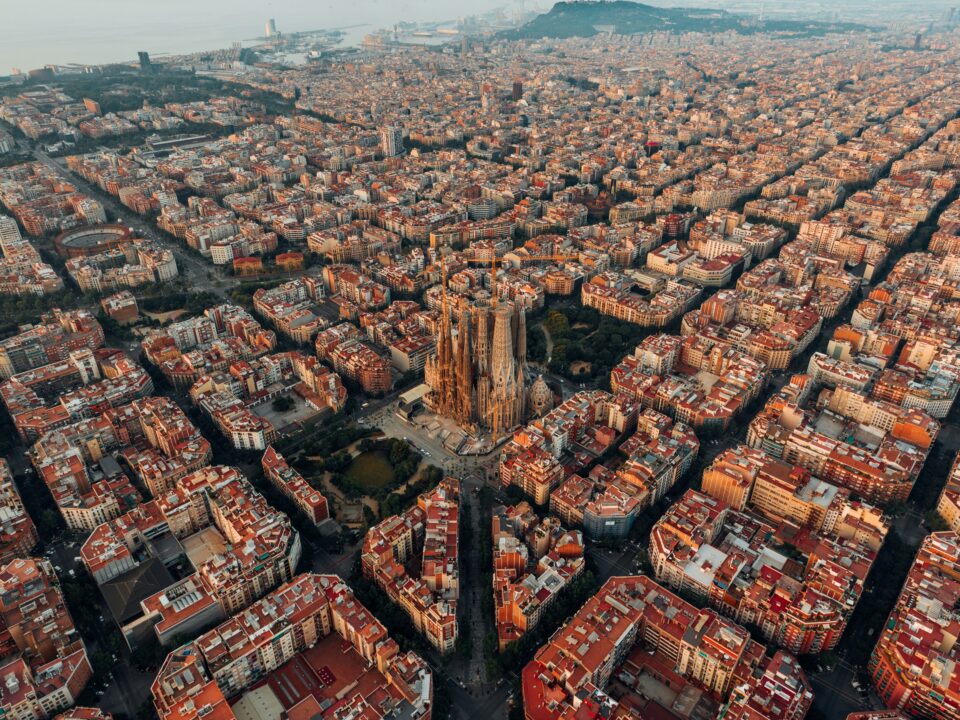
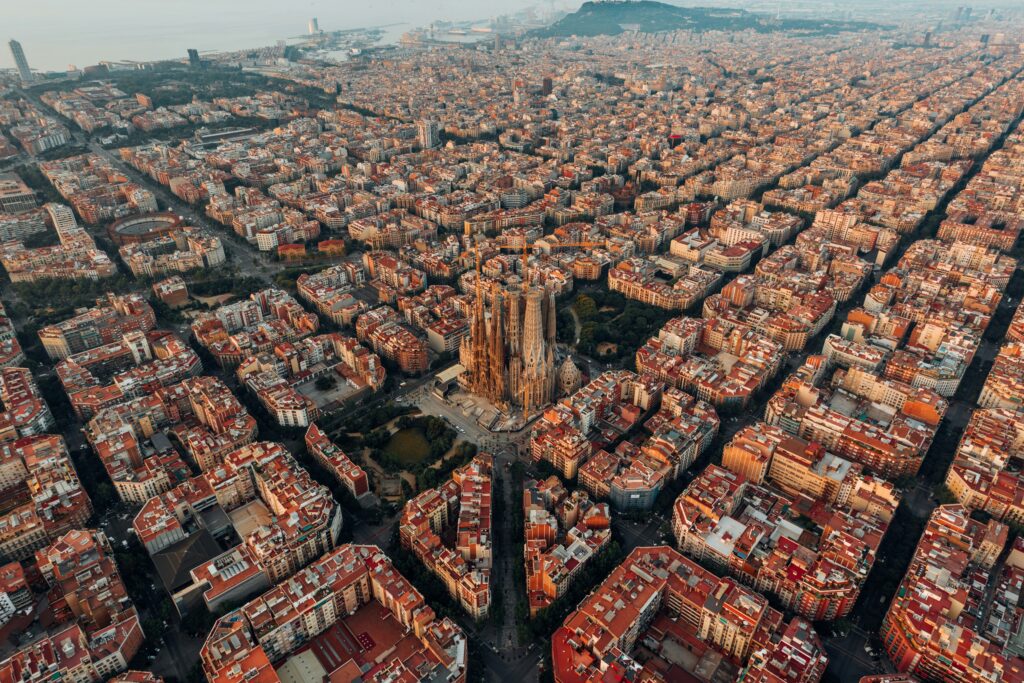
UNESCO and the International Union of Architects (UIA) have named Barcelona as the 2026 World Capital of Architecture. For ten months, the Spanish city will showcase its urban diversity, beyond its best-known landmarks, with events taking place across all ten districts.
The title is awarded every three years to recognise the role architecture plays in shaping cultural life, urban identity and sustainable development. Throughout the year, Barcelona will transform into a global forum for debating contemporary urban challenges.
A key objective is to promote local talent and highlight Barcelona’s heritage, while addressing modern challenges such as climate change, overtourism and housing, that have sparked demonstrations across Spain in recent years.
Running from 12 February to 13 December, from Santa Eulàlia to Santa Llúcia, the programme will include over 1,500 events such as exhibitions, architectural tours, debates, workshops and conferences, as well as activities that connect architecture with disciplines such as films, dance and music. These offer fresh perspectives on a city famously associated with Antoni Gaudí, whose legacy is particularly significant this year as the city marks the centenary of his death.
To celebrate the designation, several UNESCO-listed landmarks were illuminated in blue simultaneously at the beginning of February. These included Casa Milà, Park Güell, Casa Batlló – which recently opened a contemporary art space – and the Sagrada Família. The latter reached its record height last year, becoming the world’s tallest church, and continues to attract millions of visitors annually.
As part of a decentralisation strategy, the city is shifting attention towards neighbourhoods across the wider metropolis. This invites residents and travellers alike to engage more directly with the transformations that are shaping the city’s future. Activities organised with schools, cultural institutions, and professional organisations aim to demonstrate how the city’s unique architectural identity continues to evolve in response to the needs of its diverse population.
The highlight of the year will take place from 28 June to 2 July, when Barcelona hosts the UIA World Congress of Architects for the second time – a feat the city takes no small pride in, having first hosted it in 1996. Under the theme, “Becoming. Architectures for a Planet in Transition”, the congress will gather experts from around the world to debate architecture’s role in addressing global challenges.
Those eager to venture beyond La Rambla and off the usual tourist routes will enjoy Open Barri, a series of guided architectural walks “from a more equitable, accessible and decentralised perspective”, with visits, talks and workshops in featured areas such as Nou Barris, Marina and Vallvidrera.
Meanwhile, ‘The City We Want’ initiative invites children and teenagers to redesign their own neighbourhoods through workshops at schools and civic centres to reflect on green spaces and accessibility. Architecture is turned into a shared civic conversation, culminating in the construction of a scale model.
The programme will also leave a visible legacy through the international “10 Blind Walls Competition” launched by the Fundació Mies van der Rohe – Barcelona City Council. In this project, young architects and artists remodel exposed side walls into new urban landmarks and ‘bioclimatic’ vertical gardens, aiming to leave a lasting legacy in Barcelona.
Announcing the designation, UNESCO Director-General Audrey Azoulay said that “Barcelona will build on Copenhagen’s accomplishments by demonstrating how architecture and culture can respond to today’s challenges for the global public good and future generations”.
For travellers planning a visit in 2026, the programme offers the opportunity to experience not only Barcelona’s iconic monuments, but also the evolving neighbourhoods and communities that are shaping the city’s future.