Since April, a group of life-sized animal puppets had been on their way to complete the 20,000-kilometre-long parcours between the Congo rainforest and Norway’s Arctic Circle. The art project, called The Herds, was meant to make people aware of climate change and has now arrived at its destination.
When a herd of elephants, giraffes, antelopes, and lions made out of recycled materials set out from Kinshasa in Congo in April, the purpose of the project and its 20,000-kilometre journey was clear. UK-based not-for-profit The Walk Productions wanted to mimic the flight of animals and people who escape climate disaster, thus raising awareness amongst the public in a very tangible way.
“Through theatre, we can engage with the major issues of the day. We’re looking particularly for a way in which this very, central event in our lives, climate change, can be expressed not in scientific terms. What we think we might be able to do is allow people to engage emotionally with what is already happening all over,” producer David Lan told EuroNews.
At the time of the launch, WWF Regional Director for the Congo Basin Martin Kabaluapa insisted on the fact that climate change and biodiversity loss are deeply interconnected through a vicious circle. He emphasised that public art, such as The Herds, can be a great way to raise awareness about the rippling consequences of climate disasters.
The journey
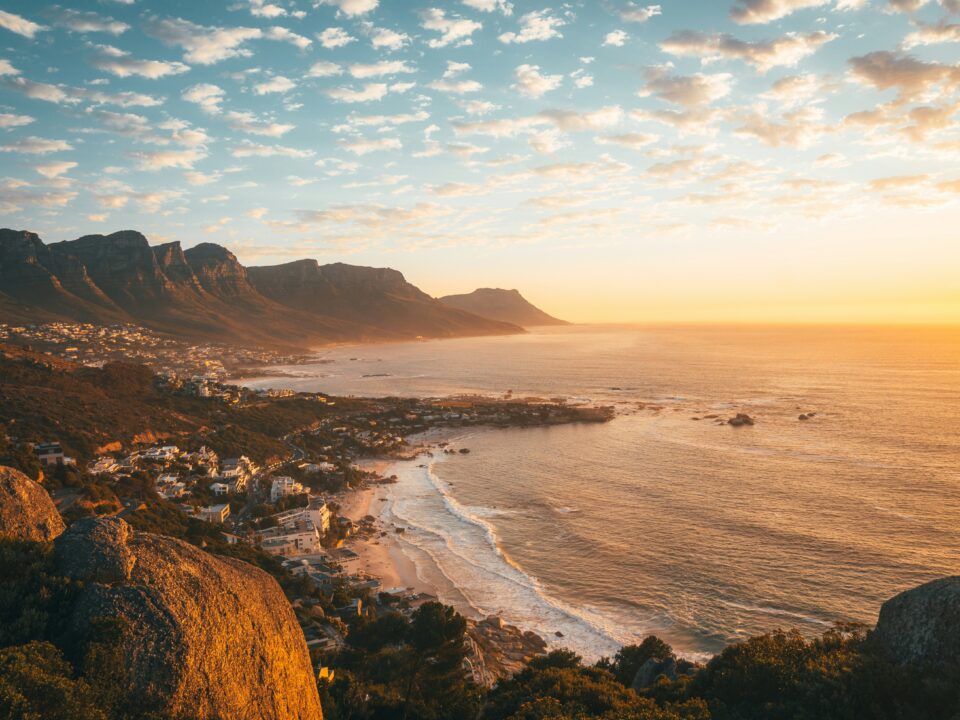
The puppets were designed by Ukwanda Puppets and Designs Art Collective in Cape Town and Artistic Director Amir Nizar Zubai, where the first part of the herd set out for its 20,000-kilometre-long journey. Along the way, other animals joined the group, all made out of recycled materials that were easily available locally. During the voyage, 1,000 people were trained as puppeteers, and The Herds organised 56 public events across 11 countries, including Nigeria and the United Kingdom.
Previously, The Walk Productions had already brought to life so-called Little Amal, an almost 4-meter-tall puppet of a refugee girl. In 2021, she travelled through 15 countries, raising awareness for the global refugee crisis.
“I don’t know if what we add to the conversation will change the world. Most probably it won’t. Doesn’t matter. It’s worth trying. But the idea is to create a project that deals with climate change from an emotional stance, from a sensory experience and not from, ‘This is the science’,” Artistic director Amir Nizar Zuabi explained to EuroNews.
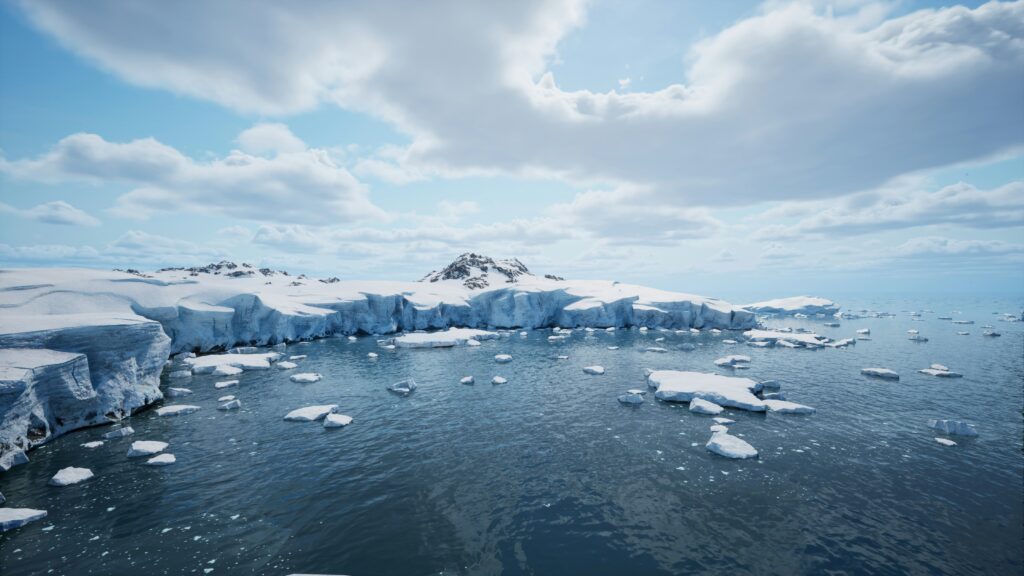
Now, The Herds has finally reached its destination. The group of animals first climbed Norway’s Jostedalsbreen glacier (also known as the largest glacier in mainland Europe) and then continued to Nordkapp in the Arctic Circle, where the group saw the sun rise on 1 August 2025.