



The reason why so many humans (around 90% of us) are right-handed has long been the source of scientific curiosity. But a recent study has now broken new ground by testing a range of explanations in one go and has come up with a theory linked to the fact that we walk on two legs (bipedalism), not four, and have a large brain.
“This is the first study to test several of the major hypotheses for human handedness in a single framework,” explains Thomas A. Püschel, one of the study authors and a professor of anthropology at the University of Oxford.
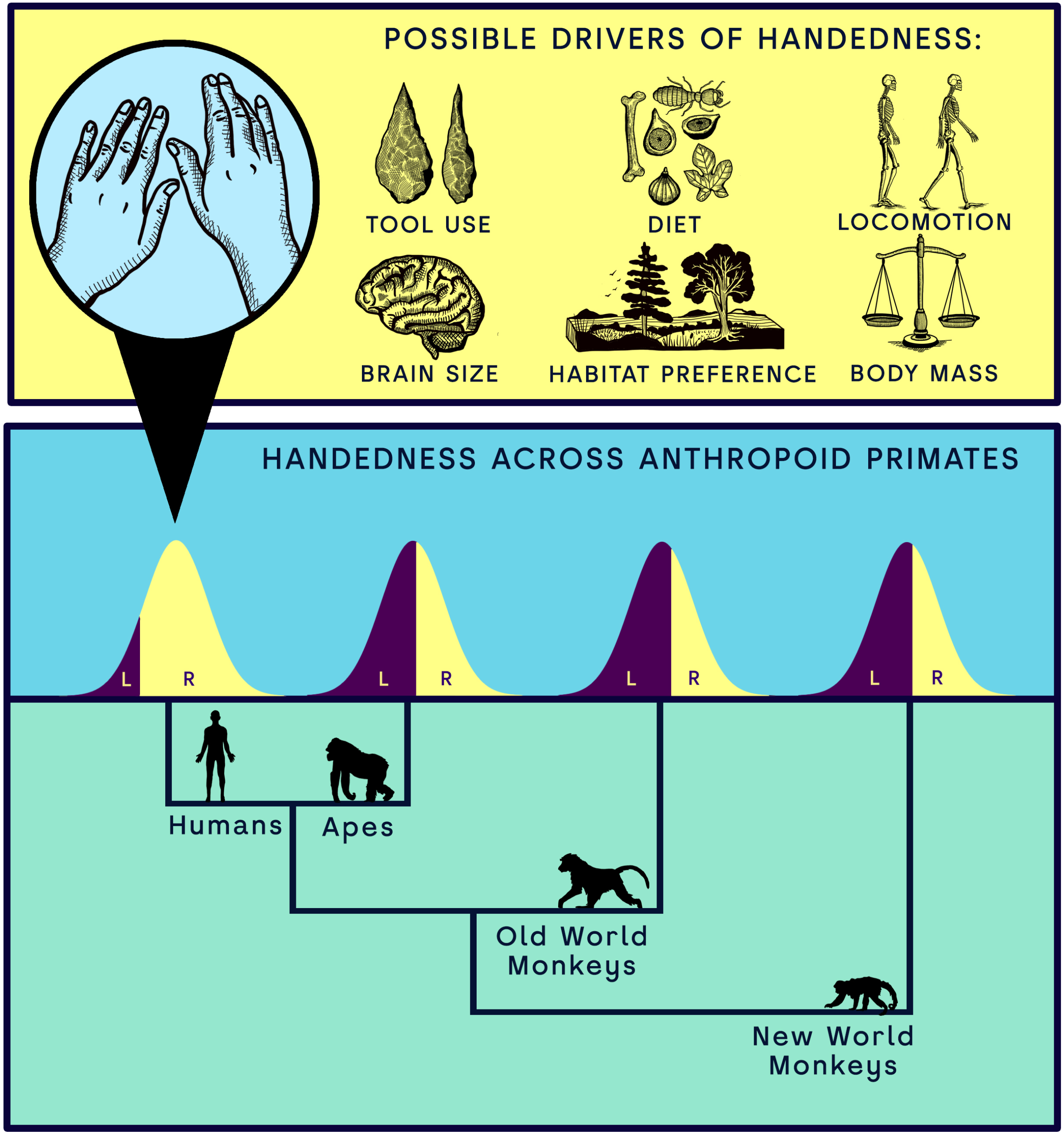
A paper published in PLOS Biology journal reveals how the team looked at “handedness” data from over 2,000 individuals, across 41 species of monkeys and apes. Using Bayesian models, combining existing biological knowledge and genetic and physical observations, they tested various evolutionary explanations for handedness. The factors ranged from diet to tool use, to social structure, habitat, body, and brain size.
The two variables that made the most difference to the modelling were bipedalism and brain size, leading the researchers to set out a two-stage explanation for human handedness.
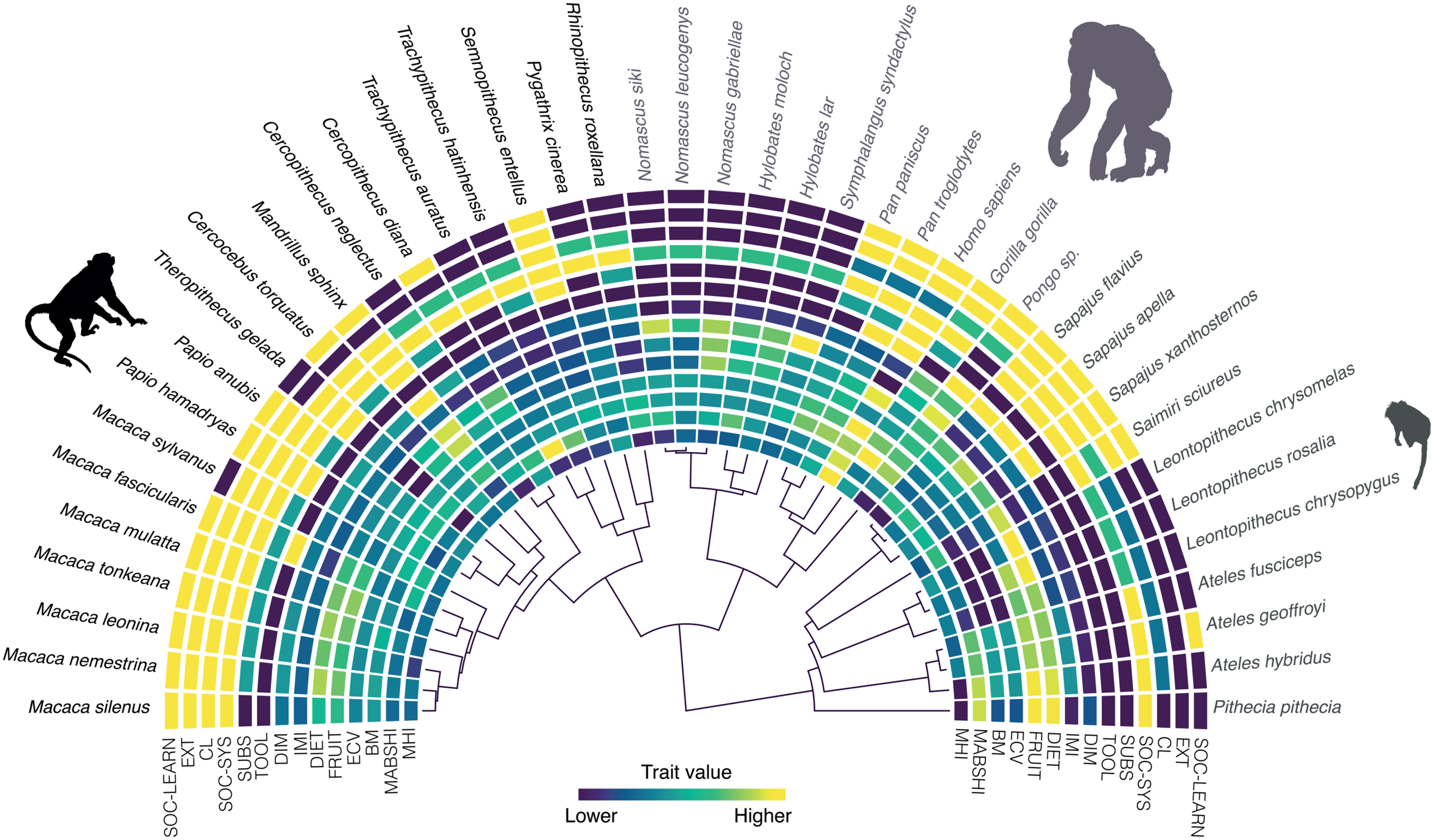
First, humans began walking upright on two legs, which freed up their hands for use other than self-propulsion. This in turn meant humans who developed “specialized hand use” for transporting items, communicating, or using tools were more likely to survive and pass on their genes.
The scientists note that other tree-dwelling primates also exhibit stronger preferences for using one hand over the other, which they say is because propulsion through branches requires such precision and coordination. Humans simply began using their specialist hand differently when they no longer needed it for getting around.
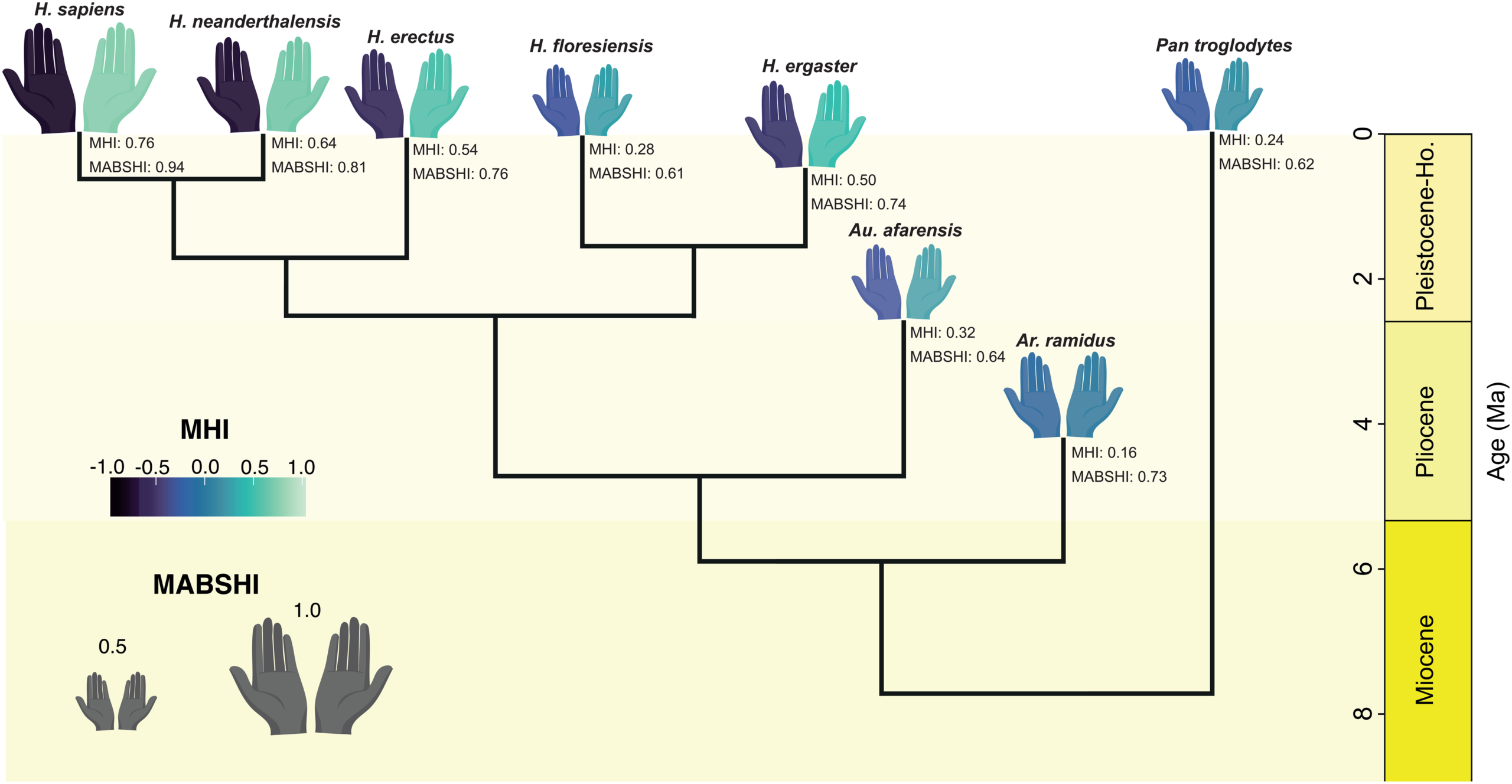
The real leap however came when Homo sapiens emerged, with far bigger brains than their ancestors. Homo sapiens were far more likely to be right-handed than Homo erectus and Neanderthals, the researchers say.
Still to explore though are: the reason why left-handedness can still be found at all in human populations; and the extent of the impact of “education” and culture on right-handedness rates. In many human communities, right-handedness was conceived of as socially preferable, and children who exhibited a preference for using their left hand used to be forced to “learn” how to use their right hand instead.
The research team also suggests further studies on other species of animal to ascertain whether other bipedal creatures such as kangaroos or parrots, who show a leaning for one “hand” over the other, evolved the tendency in the same way.