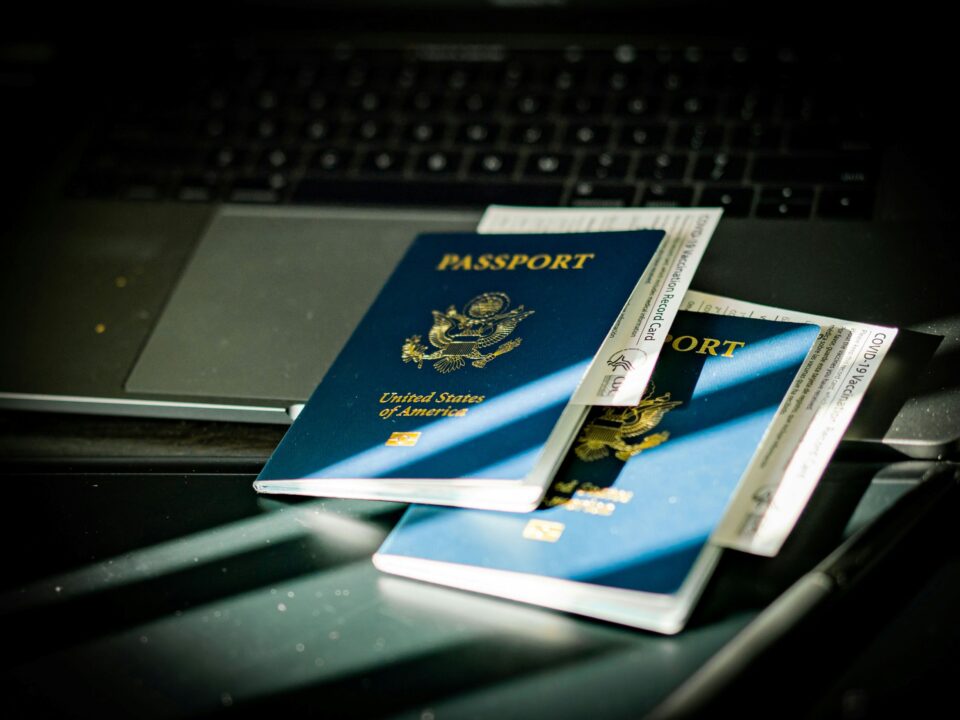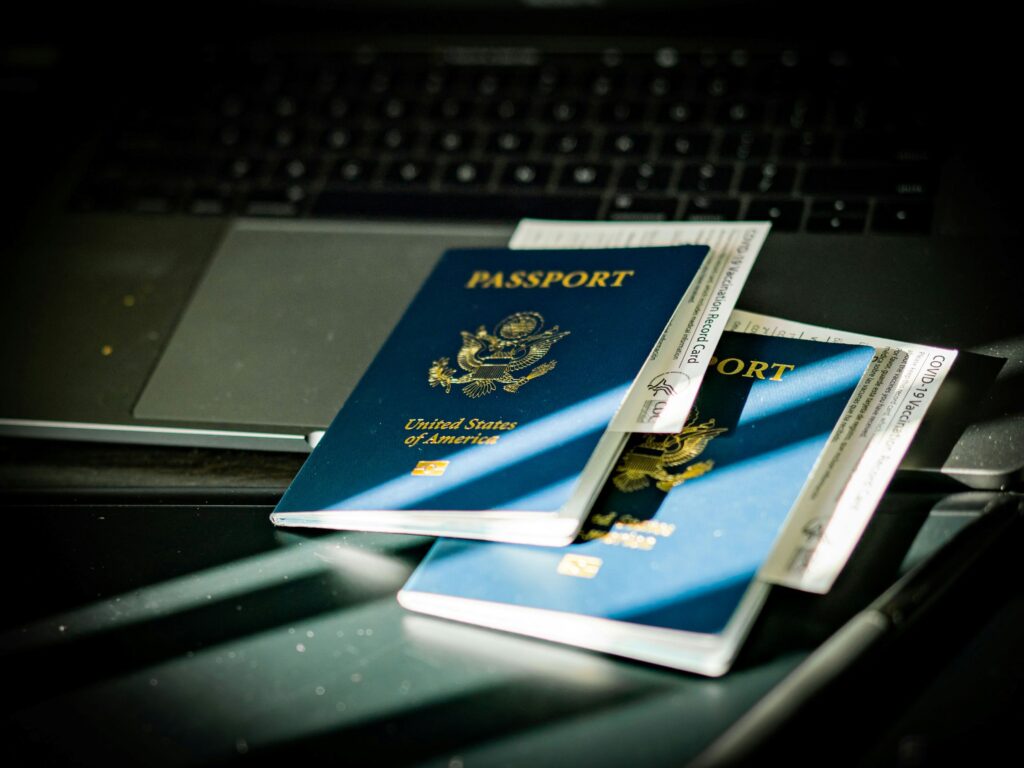



The shape of crowds for the forthcoming men’s FIFA World Cup hosted by Canada, Mexico, and the United States is once again in question as a result of emerging data that suggests European fans could be eschewing the event, alongside unusual moves by the Trump administration to make it easier for some teams’ supporters to travel to the US.
Since October 2025, 5.9 million people have completed Electronic System for Travel Authorisation (ESTA) applications to enter the US, from the 42 visa waiver nations where the authorisation is needed. Over five million of those applications have been approved, US State Department figures reveal. Not all of those applications will have been from football fans, and it’s also worth noting that 32 of the countries where citizens require ESTA authorisation are in Europe, where football is a highly popular game. In total, 16 European countries have qualified for the competition, making the notion of five million ESTA-approved fans seem a relatively paltry number.
The greatest show in the world is ready. Are you? 🏆#FIFAWorldCup pic.twitter.com/ISxLhuLUkm
— FIFA World Cup (@FIFAWorldCup) April 1, 2026
For context, to date, the top country by number of ESTA approvals is the United Kingdom, with more than 1.2 million. That’s more than double the number of the nearest rival, France, which has 570,000 authorisations. Then comes Germany, with 530,000. Japan has 500,000, and South Korea has over 320,000 authorisations.
Commentary by fans online blames a range of factors for the reluctance to support their teams in person. A major hurdle is the cost of transatlantic travel at a time when high jet fuel prices are pushing up air fares even further. Add in the expense of overnight accommodation, plus the need for additional air travel across a whole continent to see different games, and this year’s World Cup begins to seem unattainable for many fans. Even the billionaire US President himself told the New York Post he wouldn’t pay four figures to attend a match. Even those who are attending have expressed worries that the stadium atmosphere will be subdued, with fans dispersed over the entirety of North America.
Then there’s the Trump administration’s border and immigration crackdown, which experts agree has, in general, had a chilling effect on consumer demand for visiting the States. Specific policies, such as a travel ban on Haiti and Iran, and the requirement for arrivals from 50 nations to provide a financial bond of up to $15,000 before they travel, have not helped the situation. Five of those bond countries are World Cup qualifiers (Algeria, Cape Verde, Ivory Coast, Senegal and Tunisia). By April 2026, US officials told press only 250 people from bond countries had applied to visit, essentially confirming that those fans have been labouring under a major ticket booking disincentive—until now. In mid-May 2026, reportedly under significant pressure from FIFA, the US State Department waived the bond for people who had purchased match tickets.
However, with less than a month to go before the Cup kicks off, during which undecided fans will need to buy tickets, process applications, book flights, and find accommodation, it remains to be seen whether that bond waiver will be enough to save the 2026 World Cup.