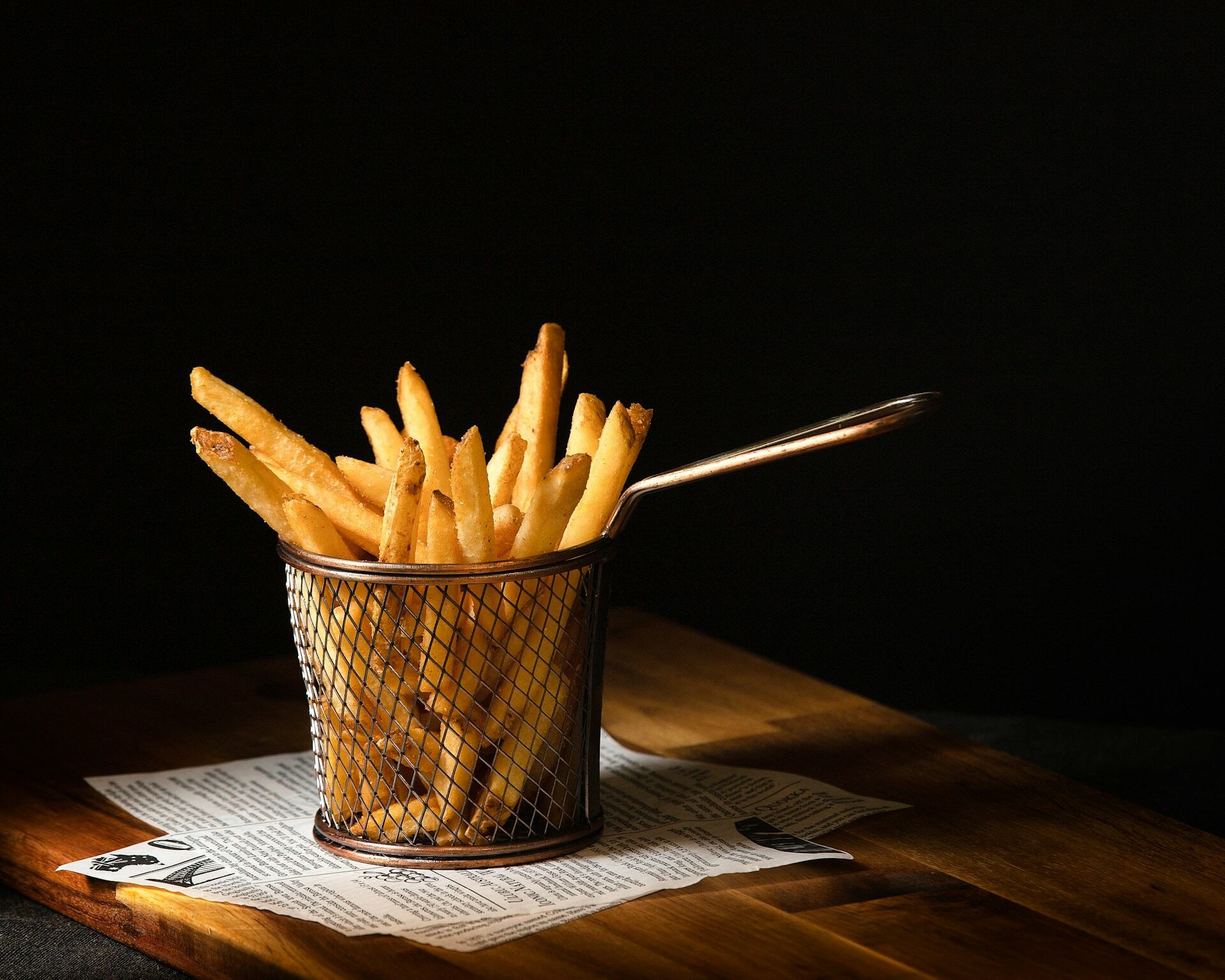



Research published in the journal Food Quality and Preference suggests that French fries can taste better depending on how they are obtained. Researchers found that identical chips were rated as more enjoyable when participants took them from someone else’s plate compared to eating their own portion. The idea that stolen food tastes better has existed in many cultures for a long time. Now, scientific findings indicate that this belief may have a real psychological explanation linked to risk, emotion, and social context.
The experiment involved 120 participants who were all given the same portion of fries. Although the food was identical in every case, the way it was presented changed the experience. Some participants ate their own portion directly, while others received fries from another person as a gift. In two additional situations, participants were instructed to take fries from another plate. One of these situations involved low risk, while the other involved high risk, where there was a stronger chance of being seen or caught. After each round, participants rated how pleasant and tasty the fries were.
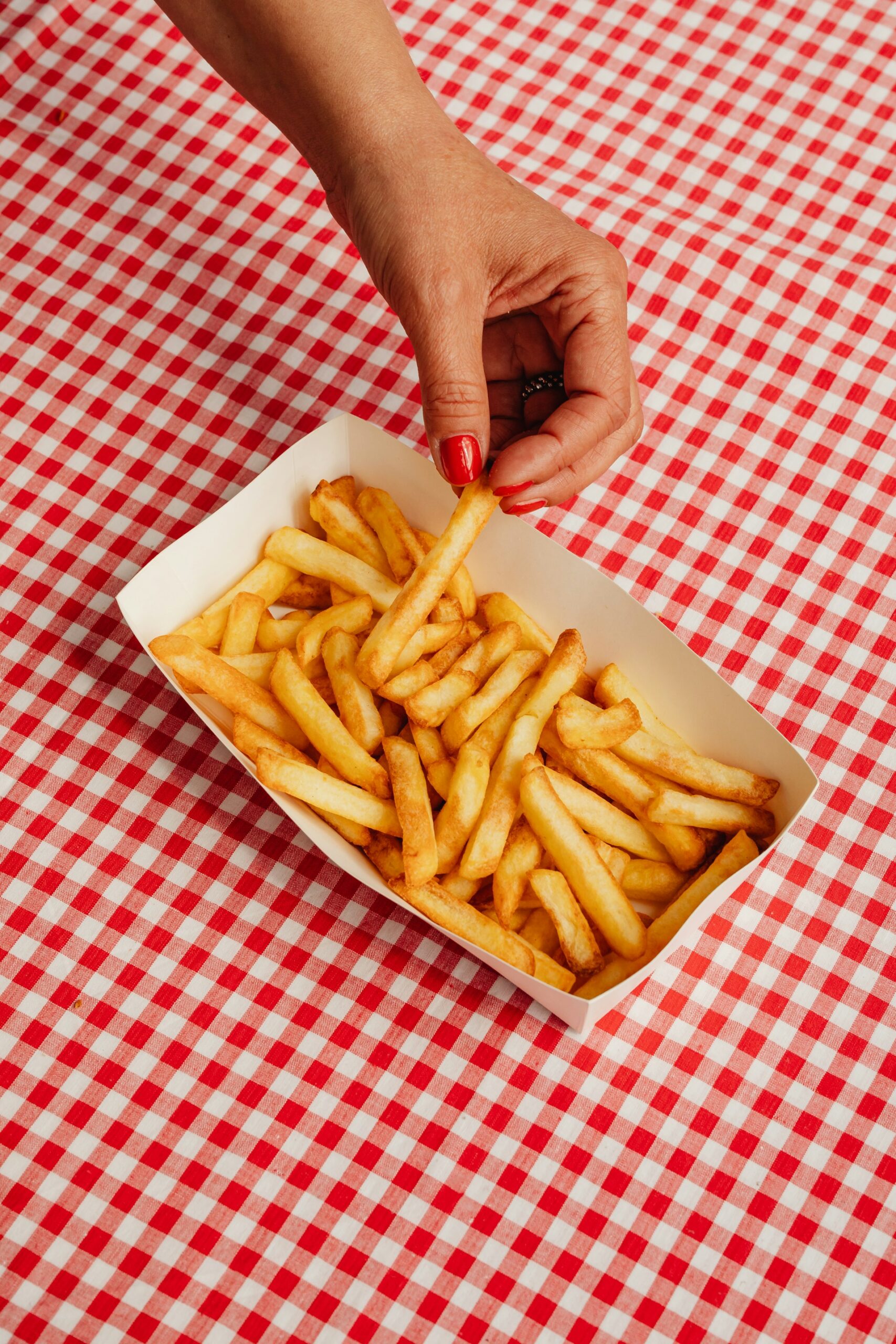
The results showed a clear pattern linked to how the fries were obtained. Fries taken from another plate were consistently rated as more enjoyable than fries that were simply received or eaten directly. The highest ratings came from the high-risk stealing situation, where participants felt more pressure and awareness of being observed. In this condition, the fries were rated around 40 per cent more enjoyable than those eaten in a normal, legitimate way. Participants also described the fries as saltier, crispier, and more flavourful, even though the food itself never changed.
Researchers explain this effect through the idea that risk and restriction can change how the brain interprets food. When something feels forbidden or slightly risky, the experience becomes more exciting. This emotional intensity can influence taste perception, making the same food feel more rewarding. The study links this to the so-called “forbidden fruit effect”, where people tend to value things more when they are not fully allowed to have them. In this case, even a small act like taking fries from another plate can increase enjoyment because it adds a sense of transgression.
The social setting also plays an important role in how food is experienced. The study shows that eating is not only about flavour, but also about context and behaviour. When food is taken from someone else, even in a controlled experiment, it introduces emotions such as excitement and mild guilt. These feelings can intensify the overall experience of eating. However, researchers note that guilt and excitement alone do not fully explain why the fries tasted better. Instead, the situation itself, including the perceived risk, appears to have the strongest influence on enjoyment.
The findings also connect to a broader idea often seen in everyday life: people tend to want things more when access feels limited. This is known as a scarcity mindset, where restricted availability increases perceived value. It can apply to food, travel experiences, and even social situations. In dining settings, this may explain why sharing plates, tasting food from others, or experiencing “forbidden” bites often feels more enjoyable than expected. The study suggests that taste is not fixed only by ingredients, but also shaped by the environment and the social rules around eating.