Today we celebrate World Tourism Day, and more than ever it is important to reflect on the challenges the sector faces: overtourism in popular destinations, the urgency of travelling responsibly, and the need to invest in practices that ensure long-term sustainability. The theme chosen by UN Tourism for 2025, “Tourism and Sustainable Transformation”, reminds us that growth alone is not enough. It is time to invest in sustainability: reducing emissions, protecting biodiversity, and building resilient infrastructure that can deliver lasting benefits for future generations.
A sector in full recovery
In 2024, global tourism reached 98% of pre-pandemic levels. More than 60 destinations surpassed their 2019 results within just three quarters, highlighting the strength of the recovery. Growth was particularly striking in the Middle East, with Qatar registering +141% and Saudi Arabia +61%, while the Asia-Pacific region followed a more gradual trajectory. Revenues have mirrored this dynamism: in 35 of the 43 countries with available data, they have already exceeded pre-pandemic levels.
Europe leads the rebound
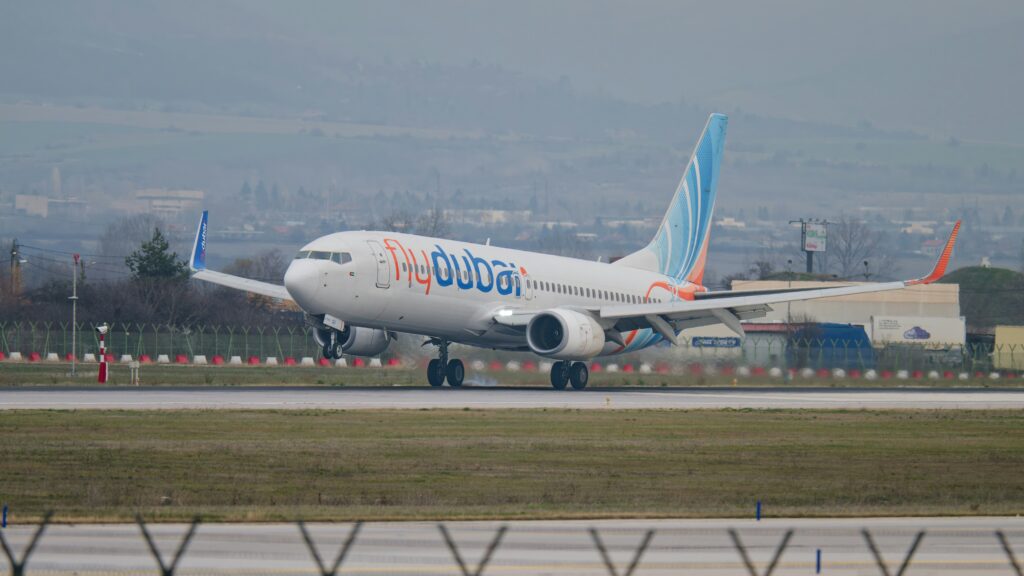
Europe stands at the forefront of this recovery. In 2024, international arrivals were already +1% above 2019 levels during the first nine months, driven by strong intra-European demand and improved air connectivity (+8.7%, above the global average). Revenues confirmed this trend: the United Kingdom (+43%), Romania (+61%), Spain (+36%) and France (+27%) were among the standout performers, with France maintaining its position as the world’s most visited country.
This rebound has underlined the sector’s importance to the European economy. Tourism accounts for around 10% of EU GDP and supports more than 22 million jobs. Beyond its economic weight, it has also gained political relevance.
From industry to influence: tourism’s political rise
In 2024, the new European Commission led by Ursula von der Leyen created, for the first time, the post of Commissioner for Tourism and Transport, signalling the sector’s growing strategic importance for the Union’s future. The portfolio, held by Greek politician Apostolos Tzitzikostas, positions tourism at the heart of the European agenda, alongside transport. And this is precisely how tourism should be understood: not as a stand-alone industry, but as a central element of Europe’s economic, social, and environmental policies.
At the global level, tourism has also gained political weight. For the first time, UN Tourism elected a woman as Secretary-General, from the United Arab Emirates, unexpectedly defeating the incumbent Zurab Pololikashvili. This result demonstrated how the role has evolved from a technical mandate into one of diplomatic influence. The rising prominence of Qatar and other Middle Eastern countries confirms that tourism today is also a tool of soft power, used to project influence, attract investment, and reinforce international legitimacy.
World Tourism Day
Tourism is economy, and increasingly, it is politics. Europe is leading the global rebound, but the challenge is clear: growth must be sustainable, balancing the needs of visitors, communities, and the planet. The success of tourism brings prosperity, but it also raises complex questions about infrastructure, housing, and the environment. Policymakers must ensure that international attractiveness goes hand in hand with the rights and well-being of local residents.
As we mark World Tourism Day, one truth stands out: tourism has become more political than ever. The way we travel, and the way we welcome those who travel to us, will shape not only the present but also the lives of generations to come.