Helsinki has once again claimed the top spot as the world’s most sustainable tourist destination, according to the 2025 Global Destination Sustainability (GDS) Index. The latest rankings, published on Tuesday, 23 September, mark the second consecutive year that the Finnish capital has led the international ranking.
The GDS Index evaluates the sustainability of tourist destinations across more than 70 indicators, grouped into four categories: environmental performance, supply chains, destination management, and social sustainability. More than 100 cities worldwide committed to sustainable tourism were included in this year’s assessment.
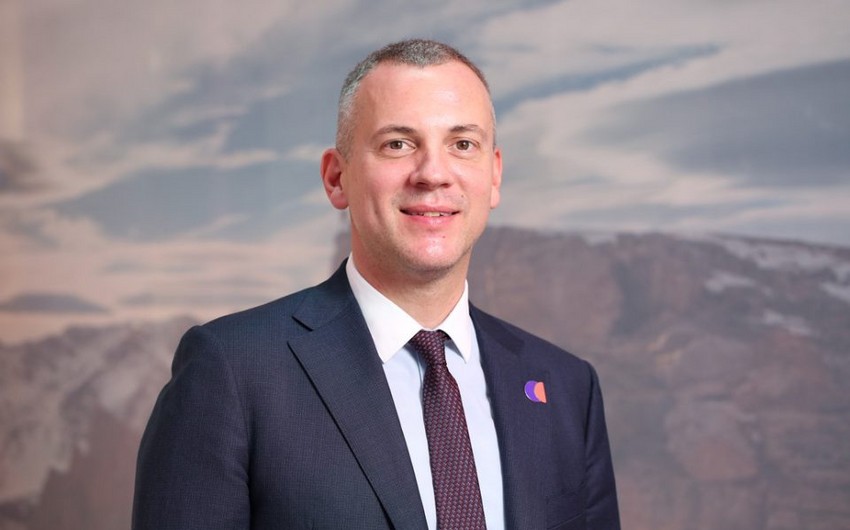
“Helsinki is investing in sustainable growth in tourism. We want to welcome more and more tourists to Helsinki. Being the world’s most sustainable tourist destination for the second year in a row shows that our work for tourism and its sustainability is paying off,” said Helsinki Mayor Daniel Sazonov.
Guy Bigwood, CEO of the GDS-Movement, praised the city’s achievements, noting that Helsinki “continues to raise the bar by defining the ‘next practices’ of regenerative destination management. Through bold climate action, pioneering sustainability strategies, and a steadfast commitment to transparency, the city demonstrates exceptional vision. Its recognition as the top-ranked destination in the 2025 GDS-Index – for the second consecutive year – is highly deserved.”
Helsinki’s success as a sustainable tourist destination is driven by joint efforts across multiple sectors, supported by a growing number of environmentally certified businesses and the development of greener methods for producing district heating and electricity.
Tourism Director of the City of Helsinki, Nina Vesterinen, highlighted the role of certification and climate-conscious infrastructure. “Up to 99% of the rooms of hotels with more than 50 rooms in Helsinki are environmentally certified. This level is significantly higher than in Europe in general. Similarly, more and more destinations, meeting and conference facilities, tour operators and others have environmental certifications,” she said.
The city’s commitment to transparent and verifiable sustainability has also been recognised internationally. In March, Helsinki became the first city with over half a million residents to receive the Green Destinations GSTC certification, which adheres to the world’s strictest criteria. Vesterinen emphasised that “for Helsinki, it is essential that sustainability is transparent. Sustainability must be more than just marketing-level greenwashing, which is already demanded by EU legislation requiring environmental claims to be reliable and verifiable. This is why indices and certifications such as GDS and GSTC are important to us.”
The strong focus on sustainability comes amid record-breaking tourism growth. Statistics Finland reports that the number of nights spent by international tourists in Helsinki increased by 19% in the first seven months of 2025 compared with the same period last year, with a notable share of growth driven by congress attendees.
“International surveys show that a growing number of tourists are looking for more sustainable services and destinations. As a result, there will continue to be demand for the world’s most sustainable destinations. The City of Helsinki, businesses and all tourism operators must continue to systematically invest in the sustainability of tourism,” Vesterinen said.
Helsinki has several ongoing initiatives to strengthen sustainable tourism, including measuring the sector’s carbon footprint, implementing climate roadmap measures, and supporting businesses on their sustainability path. Vesterinen continued, “We are promoting tourism with all areas of sustainability in mind, reducing negative impacts and increasing positive ones. The aim is for Helsinki to be a better place when a visitor leaves than it was before they arrived.”
Despite its top ranking, city authorities acknowledge that challenges remain, particularly regarding the climate impact of international travel. Vesterinen concluded, “Despite its sustainability credentials, Helsinki as a tourist destination still has room for improvement. Finding a balance is not an easy task, but we are doing our best. A large proportion of international tourists visiting the city arrive by boat or by air, the climate impacts of which we acknowledge.” Helsinki is aiming to attract more tourists from Finland and neighbouring European regions to balance growth with environmental responsibility.
Finland’s reputation for wellbeing extends beyond sustainability rankings: the country has been named the world’s happiest for the eighth year in a row in the 2025 World Happiness Report, while in Helsinki, joy takes many forms, including the launch of “The Doggy Route to Happiness,” the world’s first sightseeing tour created just for dogs, which drew more than 1,000 four-legged visitors and their owners on its opening weekend.
At the same time, the latest GDS-Index ranking underscores Europe’s growing commitment to sustainable tourism, with other high-performing destinations in the top 10 including: Gothenburg, Sweden; Copenhagen, Denmark; Aalborg, Denmark; Glasgow, United Kingdom; Tampere, Finland; Aarhus, Denmark; Lyon, France; Belfast, United Kingdom; and Reykjavik, Iceland.