First-class, business, and private jet passengers could see the cost of each flight increase by over €500, according to aviation taxes proposed by a coalition of nations at the 2025 COP30 climate summit in Brazil.
France, Spain, Kenya, and a suite of other mainly African and Caribbean countries have put forward a “solidarity levy” aimed at making those who “pollute the most, pay their fair share” towards tackling global warming, Spanish Prime Minister Pedro Sanchez said.
Calling for “innovative and fair financing” for climate initiatives, French President Emmanuel Macron praised the “significant progress” made by Antigua and Barbuda, Benin, Djibouti, France, Kenya, Sierra Leone, Somalia, South Sudan, and Spain in shaping “a greater contribution from the aviation sector to adaptation.”
The Global Solidarity Levies Task Force is looking for more willing partners to commit to taxing luxury flying, recognising that business and first-class flyers are responsible for around triple the emissions of an economy ticket holder. Private jet passengers emit up to 14 times more per kilometre than those on commercial planes.
The task force claimed in its submission to COP30 that “a levy on premium flyers and private jets implemented globally could raise €78bn [£68bn] per year.” That figure could rise further, given the growing popularity of premium flying. Figures from industry lobby group, the International Air Transport Association (IATA), show 117 million passengers flew first class in 2024. The use of private jets in Europe increased by almost a third in the early 2020s, driven, commentators say, by the uncertainties that surrounded travel during COVID-19 lockdowns, and are continuing.
Airlines have been attempting to cater better to the premium flying trend by reconfiguring aircraft to give passengers more room and comfort features. Air France revealed a redesign of its Boeing 777 “La Premiere” cabin offering lucky occupants five windows, an armchair, and a convertible bed. Qantas recently showed the first pictures of its Project Sunrise plane – set to fly the world’s longest ever route by 2027 – and where its long-haul passengers will have extra legroom and exercise spaces. And Florida-based Magnifica Air wants to offer “a fully private, seamless experience for a fraction of what you’d pay to charter a jet” by 2027. Even premium flights for pets are on the increase.
In the run-up to COP30 in Brazil, Marie Owens Thomsen, IATA's SVP, Sustainability & Chief Economist urges participating governments to provide clarity on the airline industry’s path to decarbonization.
— IATA (@IATA) November 5, 2025
Read the blog post👉 https://t.co/dcVD73mjhJ pic.twitter.com/I4ziSiosA6
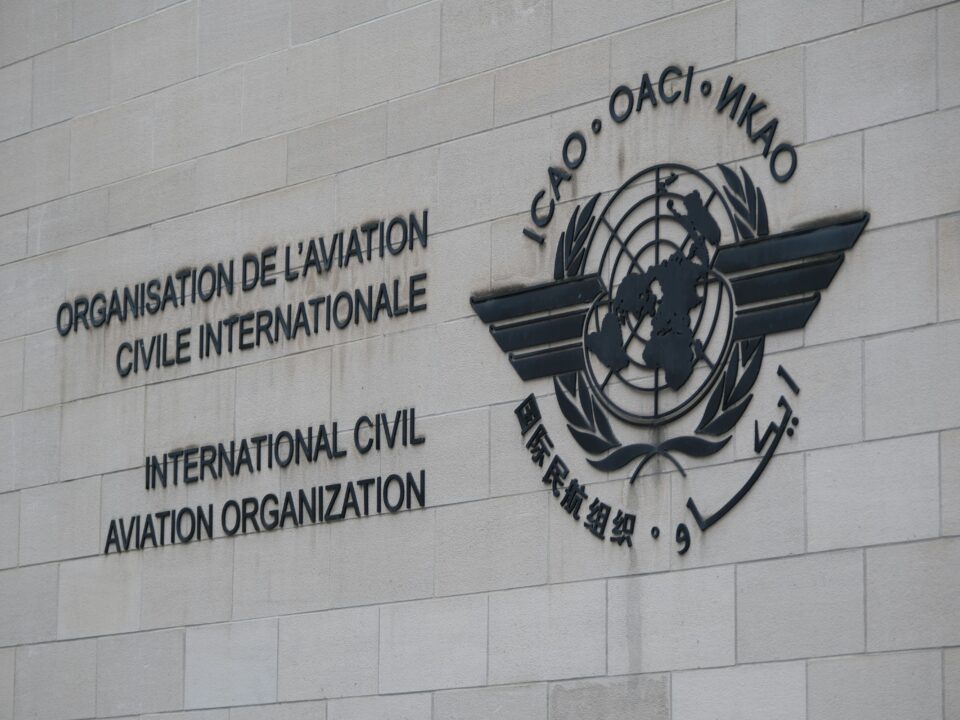
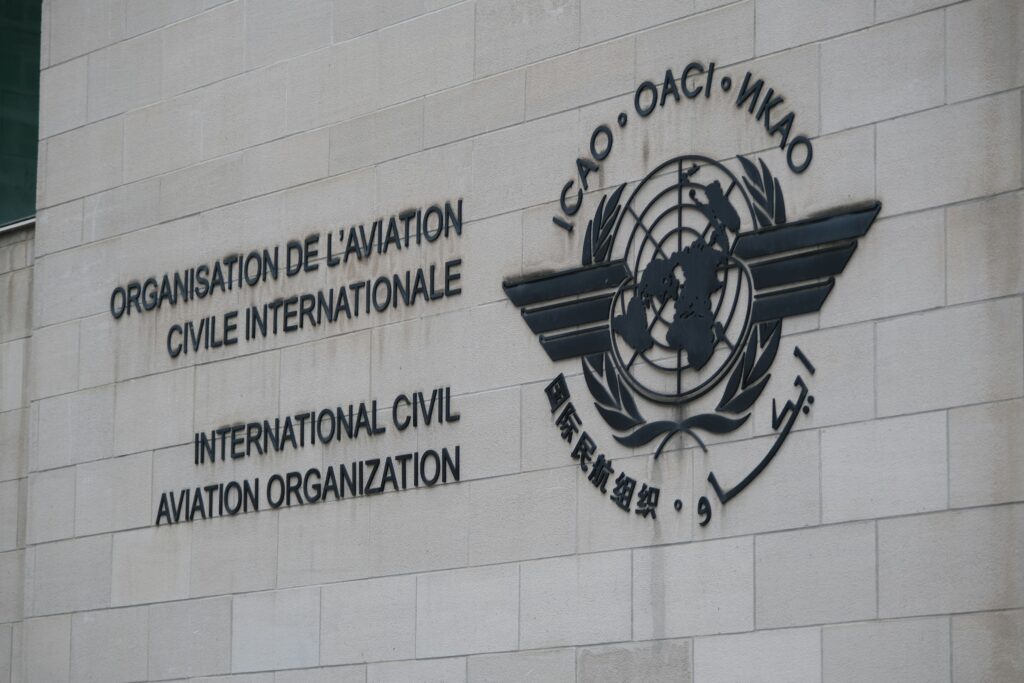
As COP30 gets underway, IATA has, for now, laughed off the proposals, with Thomas Reynaert, senior vice president for external affairs, calling the idea “crazy” and “counterproductive” and noting that airlines “have committed to contribute up to $60bn (£47bn) in climate finance.” Reynaert argues that Corsia, not a new tax scheme, is the answer to reducing emissions. CORSIA is the global Carbon Offsetting and Reduction Scheme for International Aviation program by the International Civil Aviation Organization (ICAO) aimed at managing carbon emissions from international flights by requiring airlines to offset CO2 emissions that exceed 2019 levels. Airlines do so by purchasing eligible carbon credits and using sustainable aviation fuels (SAF).