Although many people suffer from aviophobia, air travel remains one of the safest forms of transport, with the lowest proportional accident rate. However, when incidents do occur, they tend to be large-scale and deadly.
Not all airlines within the industry are equal. Airlines’ safety records depend on a combination of factors, including pilot training standards, fleet age, aircraft type, maintenance regimes, and how rigorously they implement safety updates and regulatory changes.
AirlineRatings.com, the industry’s only airline safety and product rating platform, has just revealed the top 25 safest full-service and low-cost airlines for 2026. It monitors 320 airlines worldwide.
The company’s CEO, Sharon Petersen, emphasised just how narrow the gaps were between the highest-ranked carriers.
“We may be reaching a point where traditional rankings risk being misleading, and where grouping airlines into performance tiers provides a more accurate reflection of reality.”
She emphasises that “all airlines in the Top 25 are world leaders in aviation safety and that claims that one is significantly safer or less safe than another are both sensationalist and false.”
The rankings are based on incident rates adjusted for total flights, fleet age, serious incidents, pilot training, and international safety audits. This year, there is a greater emphasis on turbulence prevention, which is now considered the leading cause of in-flight injuries.
Full-service airlines
The top three full-service carriers for 2026 are Etihad, Cathay Pacific, and Qantas.
It is the first time a Gulf airline has taken the top spot. Petersen attributed Etihad’s performance to “a combination of factors: a young fleet, advancements in cockpit safety, particularly around turbulence, a crash-free history, and the lowest incident rate per flight of any airline on the list. The airline also demonstrated excellent adherence to turbulence management in the cabin.”
They are followed in the top ten by Qatar Airways, Emirates, Air New Zealand, Singapore Airlines, EVA Air, Virgin Australia, and Korean Air.
What stands out in the top ten is a geographical shift, with the top ten almost exclusively dominated by Middle Eastern and Asia-Pacific carriers.
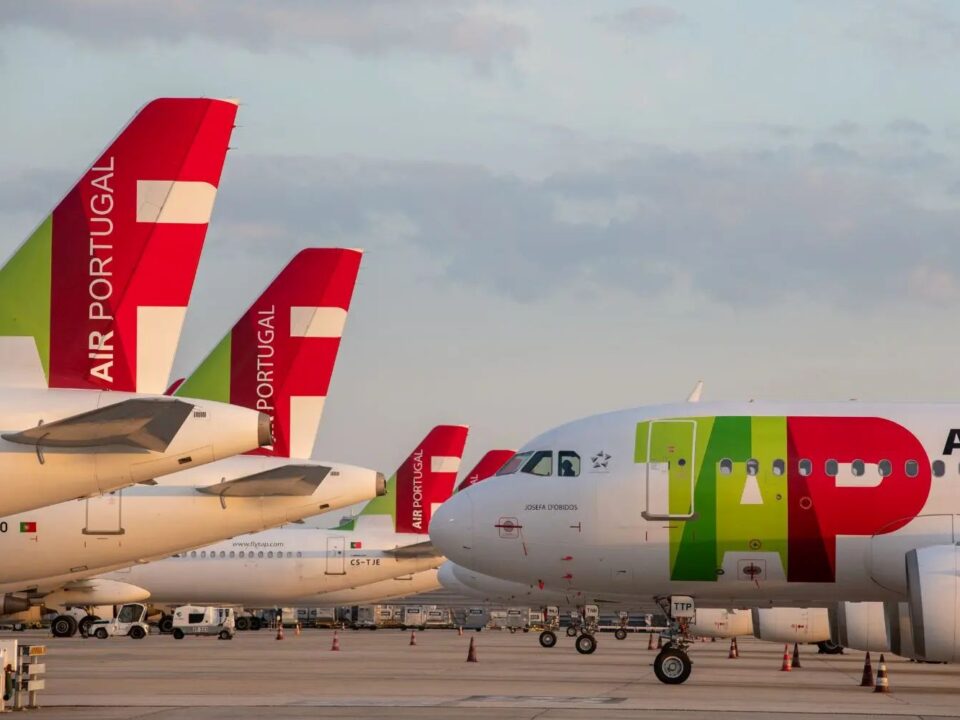
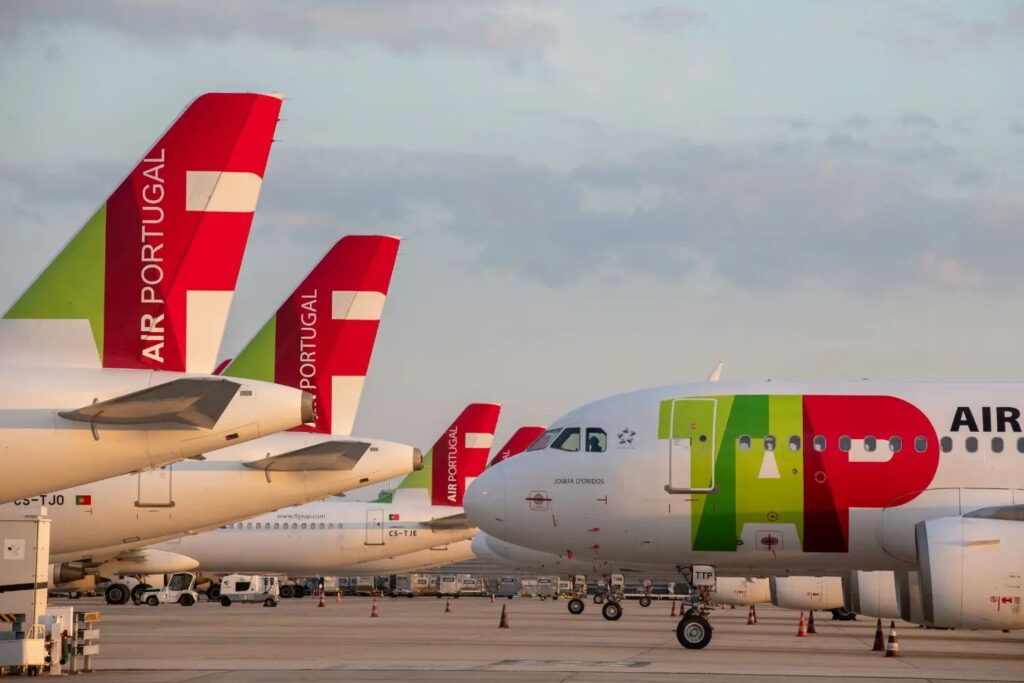
STARLUX, Turkish Airlines, Virgin Atlantic, ANA, Alaska Airlines, TAP Air Portugal, SAS, British Airways, Vietnam Airlines, Iberia, and Lufthansa are positioned 11 to 21. The last four are Air Canada, Delta Air Lines, American Airlines, and Fiji Airways. Is this a nudge to US carriers to gear up for competition?
STARLUX and Fiji Airways are new additions to the list, having been recognised for their “exceptional approach to safety and transparency.” Singapore Airlines, which dropped out last year following a series of serious incidents involving turbulence, has clearly upped its game.
✈️ Top 25 Safest Full-Service Airlines 2026 – Vietnam Airlines ranks #19 globally, climbing 3 places from 2025 in AirlineRatings’ global safety rankings.
— Vietnam Airlines (@VietnamAirlines) January 15, 2026
A result of rigorous safety standards, advanced operations, and unwavering commitment on every journey. 💙#VietnamAirlines… pic.twitter.com/AVUBHEXbtt
Low-cost airlines
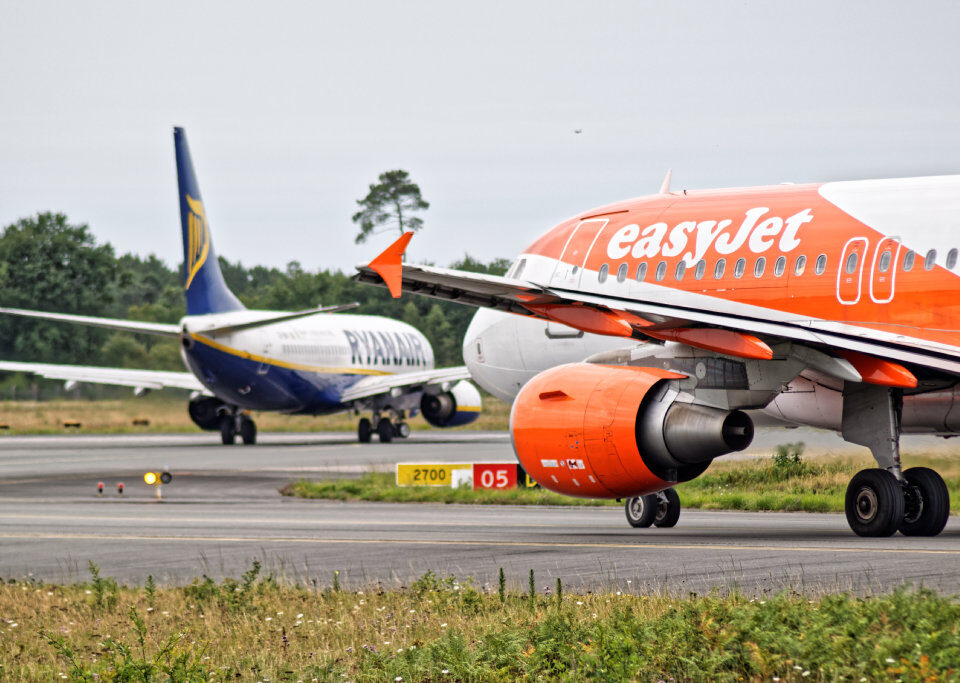
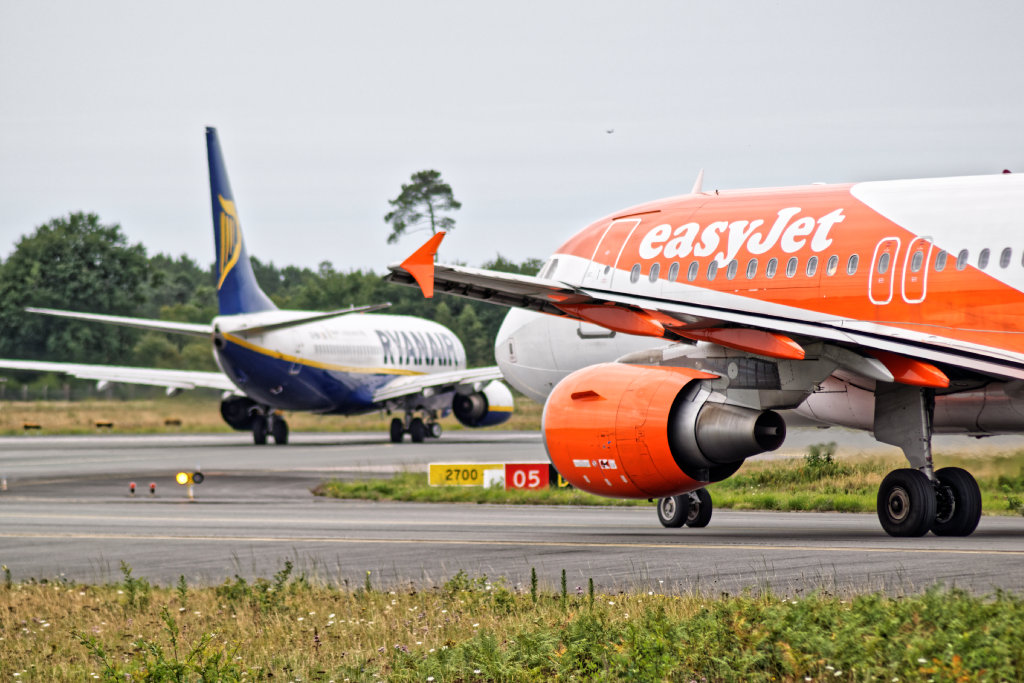
In the low-cost category, the top five are HK Express, Jetstar Airways, Scoot, flydubai, and easyJet.
HK Express has topped the list for the second consecutive year, a well-deserved position according to Petersen, thanks to “a modern fleet, an exceptionally low incident rate, and an almost flawless onboard safety audit.” Given Hong Kong’s stringent incident reporting requirements, she noted that this performance genuinely reflects a highly disciplined and well-run operation.
They are followed by Southwest Airlines, airBaltic – which made a significant jump from last year – VietJet Air, Wizz Air, AirAsia, TUI Airways, Vueling, Norwegian Air Shuttle, JetBlue, and Flynas.
Ryanair (operating in Ireland and the UK) ranks 18th, behind Cebu Pacific and Jet2, but ahead of Spring Airlines – the first Chinese airline to make the top 25 – as well as Transavia, Eurowings, Volaris, WestJet, GOL, and SKY Airline.
It is important to note that every single airline has reported an incident in the last two years, ranging from tail strikes to onboard fires and engine shutdowns. Nonetheless, the incident rates per flight remain exceptionally low, ranging from 0.002 to 0.09, which underscores the industry’s overall safety record.